How to Stay Hydrated in Hot Weather: A Guide for Kids, Adults, and Pregnant Women

How to Stay Hydrated in Hot Weather: A Guide for Kids, Adults, and Pregnant Women
Last summer, my neighbor's 8-year-old came home from soccer practice looking pale and complaining of a headache. His mom gave him water, but he kept saying he felt dizzy. Turns out, he was dehydrated—badly. Two hours of running around in 90-degree heat without enough water, and his body was shutting down.
It scared her. It scared me too.
Here's the thing about hot weather: your body needs more water than you think. And kids, pregnant women, and older adults are especially vulnerable.
With summer temperatures climbing, let me walk you through exactly how much water everyone in your family needs and how to make sure they actually drink it.
Why Hot Weather Makes Hydration So Important
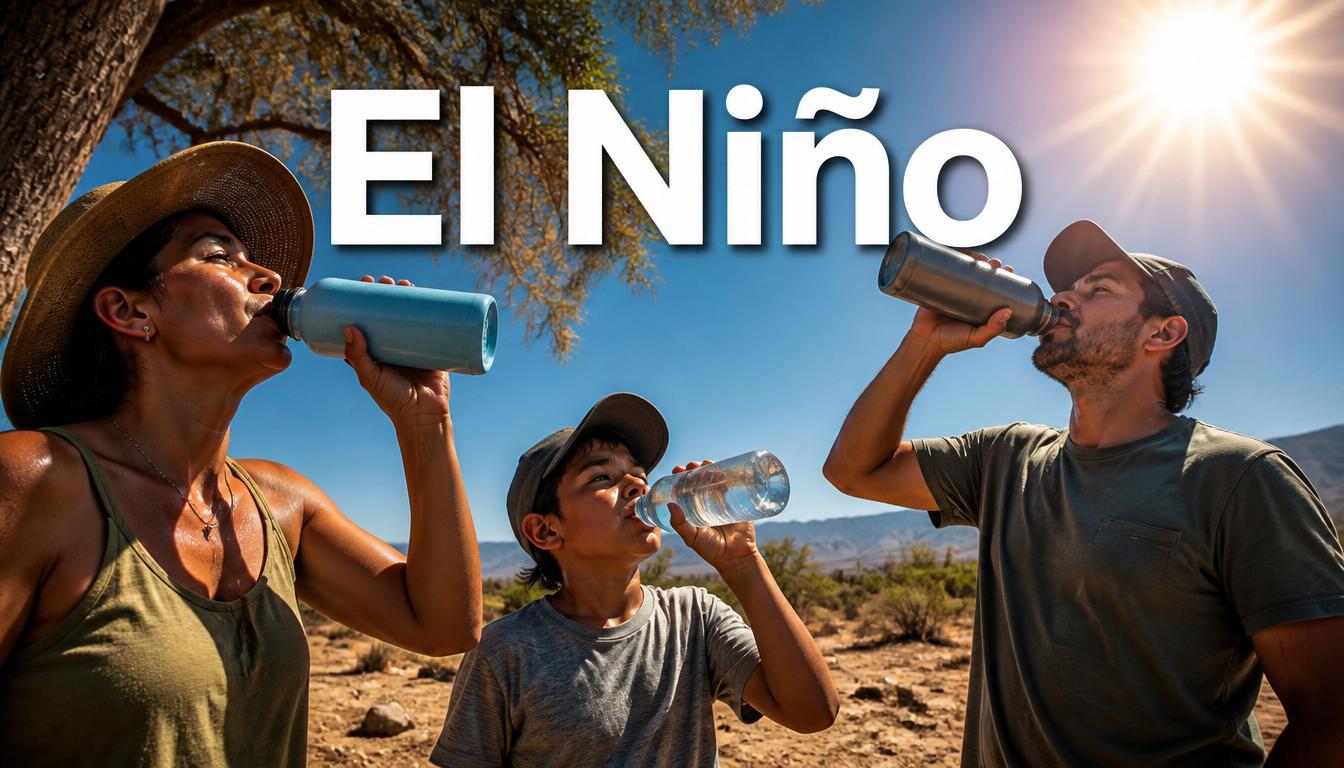
When it's hot, your body sweats to cool down. That sweat comes from your body's water stores. If you don't replace what you lose, dehydration sets in.
What happens when you're dehydrated:
- Your body can't cool itself properly (heat exhaustion risk)
- Your blood thickens (heart works harder)
- Your brain function drops (headaches, confusion, irritability)
- Your kidneys struggle to filter waste
- Your muscles cramp
In extreme cases: Heatstroke, which is a medical emergency.
The scary part: By the time you feel thirsty, you're already mildly dehydrated. Thirst isn't a good early warning system it's a late one.
How Much Water Do Kids Need in Hot Weather?
Kids are especially vulnerable to dehydration. They:
- Sweat more relative to their body size
- Don't recognize thirst signals as well as adults
- Often get too busy playing to stop and drink
- Have less ability to regulate body temperature
General guidelines for kids in hot weather:
| Age Group | Daily Water Needs | In Hot Weather |
|---|---|---|
| 1-3 years | 4 cups (32 oz) | 4-5 cups |
| 4-8 years | 5 cups (40 oz) | 6-7 cups |
| 9-13 years (girls) | 7 cups (56 oz) | 8-9 cups |
| 9-13 years (boys) | 8 cups (64 oz) | 9-10 cups |
| 14-18 years (girls) | 8 cups (64 oz) | 9-10 cups |
| 14-18 years (boys) | 10 cups (80 oz) | 12-13 cups |
Real-world guide: In hot weather, kids should drink every 15-20 minutes during activity. Not when they feel thirsty on a schedule.
Signs of dehydration in kids:
- Dry lips and mouth
- Dark yellow urine or peeing less than 3-4 times daily
- Lethargy or irritability
- No tears when crying
- Sunken eyes
- Dizziness or headache
If you see these signs: Get them in the shade, give small sips of water or electrolyte drink, and seek medical help if they can't keep fluids down.
**Use our Water Intake Calculator for personalized recommendations based on weight.
How Much Water Do Men Need in Hot Weather?
Men have larger bodies and more muscle mass, which means they need more water. They also tend to sweat more heavily.
General guidelines for men in hot weather:
- Baseline: About 13 cups (104 oz) daily
- In hot weather: 15-17 cups (120-136 oz) daily
- With exercise/outdoor work: 16-20 cups (128-160 oz) daily
The activity factor:
- Desk job, mostly indoors: 13-14 cups
- Light activity outdoors: 15-16 cups
- Manual labor or intense exercise: 17-20 cups
Real-world guide: For men working or exercising in heat, drink 1 cup (8 oz) every 15-20 minutes. Set a timer if you need to.
Signs of dehydration in men:
- Thirst (already late)
- Dark urine or peeing less than 4 times daily
- Headache or dizziness
- Muscle cramps (common in heat)
- Fatigue that feels worse than expected
- Rapid heartbeat or breathing
Track your intake: Our Water Intake Calculator gives you a personalized number based on your weight, activity, and climate.
Also monitor: Use our BMI Calculator and Body Fat Calculator to understand your overall health. Higher body fat means you're more vulnerable to heat.
How Much Water Do Women Need in Hot Weather?
Women generally need slightly less water than men due to smaller body size. But factors like pregnancy, breastfeeding, and menstrual cycles change those needs.
General guidelines for women in hot weather:
- Baseline: About 9 cups (72 oz) daily
- In hot weather: 11-13 cups (88-104 oz) daily
- With exercise/outdoor work: 12-14 cups (96-112 oz) daily
The activity factor:
- Desk job, mostly indoors: 9-10 cups
- Light activity outdoors: 10-11 cups
- Manual labor or intense exercise: 12-14 cups
Hormonal factors:
- Menstrual cycle: You need more water in the luteal phase (week before period)
- Menopause: Hot flashes increase fluid loss
- Pregnancy: Your body needs extra water for increased blood volume
Check your needs: Use our Water Intake Calculator for personalized recommendations.
Track overall health: Our BMR Calculator and TDEE Calculator help you understand your body's needs.
How Much Water Do Pregnant Women Need in Hot Weather?
Pregnancy changes everything, including hydration needs. Your blood volume increases by about 50%. You need more water to support that extra blood, your growing baby, and amniotic fluid.
General guidelines for pregnant women in hot weather:
- Baseline (1st trimester): 10 cups (80 oz) daily
- Baseline (2nd trimester): 10-11 cups (80-88 oz) daily
- Baseline (3rd trimester): 11-12 cups (88-96 oz) daily
- In hot weather: Add 2-4 cups (16-32 oz) to baseline
- With exercise: Add additional 1-2 cups per hour of activity
Why pregnant women are more vulnerable:
- Higher blood volume means more fluid needed
- Baby's amniotic fluid needs constant replenishment
- Hot flashes and increased sweating are common
- Dehydration can trigger Braxton Hicks contractions
- Severe dehydration can affect baby's development
Warning signs pregnant women shouldn't ignore:
- Dizziness or fainting
- Reduced fetal movement
- Contractions (even irregular ones)
- Severe headache
- Swelling in hands and face (could be preeclampsia)
Hydration tips for pregnant women in heat:
- Always carry water with you
- Drink small amounts often (not huge amounts at once)
- Electrolyte drinks can help if you're sweating heavily
- Eat water rich foods (watermelon, cucumber, oranges)
- Avoid being outdoors during peak heat (10 AM - 4 PM)
Track your pregnancy health: Use our Pregnancy Calculator to track your weeks, and our Water Intake Calculator to stay hydrated.
How Much Water Do Seniors Need in Hot Weather?
Older adults are at higher risk for dehydration because:
- Thirst sensation decreases with age
- Kidneys become less efficient
- Some medications increase fluid loss
- Mobility issues may limit access to water
General guidelines for seniors (65+) in hot weather:
- Baseline: 7-8 cups (56-64 oz) daily
- In hot weather: 9-10 cups (72-80 oz) daily
- With activity: 10-11 cups (80-88 oz) daily
Why seniors don't feel thirsty: The thirst mechanism becomes less sensitive with age. By the time they feel thirsty, they're already significantly dehydrated.
Tips for keeping seniors hydrated:
- Offer water on a schedule (every 1-2 hours)
- Make water easily accessible (leave bottles around the house)
- Use a marked water bottle to track intake
- Include hydrating foods (soups, fruits, vegetables)
- Monitor urine color (should be pale yellow)
- Encourage drinking before, during, and after any outdoor time
**Use our Water Intake Calculator for personalized recommendations. Also check our BMI Calculator and Body Fat Calculator for overall health monitoring.
Foods That Count Toward Hydration
Water isn't the only way to stay hydrated. About 20-30% of your daily water comes from food.
High-water fruits:
- Watermelon (92% water)
- Cantaloupe (90% water)
- Strawberries (91% water)
- Oranges (88% water)
- Peaches (89% water)
- Grapes (81% water)
High-water vegetables:
- Cucumber (96% water)
- Celery (95% water)
- Lettuce (96% water)
- Zucchini (94% water)
- Tomatoes (94% water)
- Bell peppers (94% water)
Other hydrating foods:
- Soup and broth
- Smoothies
- Yogurt
- Oatmeal (cooked with water or milk)
Pro tip: Smoothies are excellent for hot days. Blend Greek yogurt, fruit, ice, and a little milk. Hydration + nutrition in one glass.
Signs of Dehydration Everyone Should Know
Mild dehydration:
- Thirst
- Dry mouth
- Dark yellow urine
- Peeing less than 4 times daily
- Headache
- Fatigue
- Dizziness when standing
Moderate dehydration:
- No tears when crying
- Sunken eyes
- Rapid heartbeat
- Confusion or irritability
- Muscle cramps
- Inability to sweat (even in heat)
Severe dehydration (medical emergency):
- Not peeing at all
- Fainting or inability to stand
- Rapid breathing
- Very low blood pressure
- Confusion or disorientation
- Blue lips or fingertips
If severe: Call 911 or go to emergency room immediately. This is life-threatening.
Electrolytes: Do You Need Them?
When you sweat, you lose not just water but also minerals called electrolytes. These include sodium, potassium, magnesium, and calcium.
When you need electrolytes:
- Exercising for more than 1 hour
- Heavy sweating (manual labor, sports)
- Hot weather with significant sweating
- Diarrhea or vomiting
- When plain water isn't making you feel better
Good sources of electrolytes:
- Coconut water (natural source)
- Electrolyte drinks (Gatorade, Powerade, Pedialyte)
- Salt (a pinch in water)
- Fruits (bananas for potassium)
- Foods with salt (soup, broth)
For kids: Pedialyte is better than sports drinks. Sports drinks have too much sugar for kids.
For pregnant women: Coconut water and electrolyte drinks can help, but check with your doctor about sodium intake.
**Use our Water Intake Calculator to understand your total fluid needs, including electrolytes.
Practical Tips for Staying Hydrated in Heat
For Families:
Make it fun for kids:
- Use colorful water bottles
- Add fruit slices (lemon, strawberry, cucumber)
- Freeze water bottles for school lunches
- Give them a "water goals" sticker chart
- Lead by example drink water when they drink
Simple rule: Every time someone passes the kitchen, they take a sip.
Set phone reminders: For adults, set a timer to drink every hour.
Carry water everywhere: In the car, at work, at the park. Make it a habit.
Use marked water bottles: Bottles with hour markings help you track.
For Hot Days:
Before going out:
- Drink 16-20 oz of water 1-2 hours before
- Take a water bottle with you
- Plan shade breaks
- Avoid being outdoors 10 AM - 4 PM when possible
During activity:
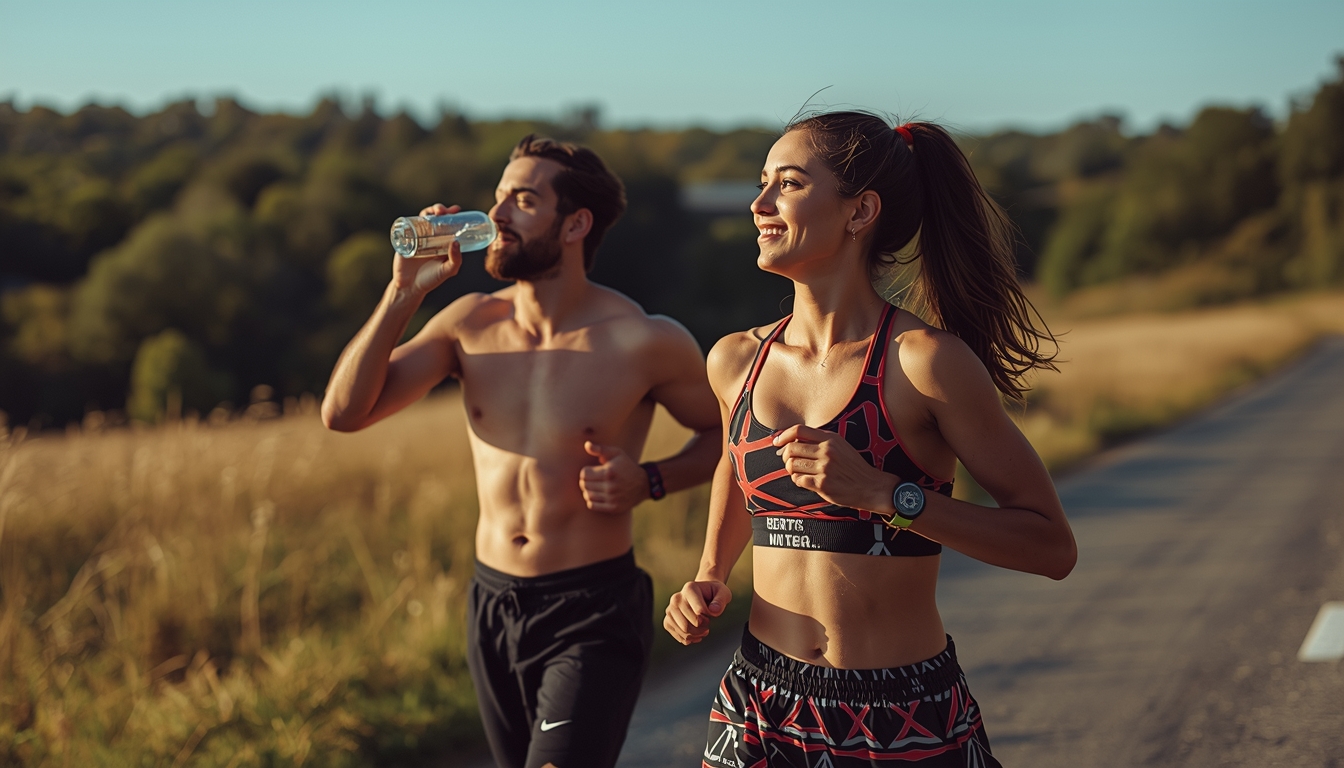
- Drink 4-8 oz every 15-20 minutes
- Don't wait until you're thirsty
- Take breaks in shade or air conditioning
- Wear light, loose clothing
After activity:
- Drink 16-24 oz for every pound lost during activity
- Weigh yourself before and after to see how much you lost
- Eat water-rich foods
For Elderly Family Members:
- Set reminders (watch alarms, phone alerts)
- Pre-fill water bottles daily
- Check urine color (should be pale yellow)
- Offer hydrating snacks (fruit, yogurt, soup)
- Keep water accessible (at bedside, in living room)
- During hot days, encourage staying indoors with AC
Questions People Actually Ask About Hydration in Heat
Q: How do I know if I'm drinking enough water? A: Check your urine. Pale yellow means you're hydrated. Dark yellow means you need more. If you're not peeing every 3-4 hours, you're not drinking enough.
Q: Can I drink too much water? A: Yes, but it's rare. "Water intoxication" happens when you drink huge amounts without electrolytes. This is mostly a risk for endurance athletes. For most people, the bigger risk is not drinking enough.
Q: Is coffee okay in hot weather? A: In moderation. Caffeine is a mild diuretic, but the water in coffee still counts toward hydration. Just don't replace water with coffee.
Q: What's better—water or sports drinks? A: For most people, water is fine. Sports drinks are useful if you're sweating heavily for more than an hour or doing intense exercise. For kids, stick to water or Pedialyte.
Q: Should pregnant women drink more water in hot weather? A: Yes. Pregnant women need extra water anyway, and heat increases that need even more. Check with your doctor about specific recommendations.
Q: How do I get my child to drink more water? A: Make it fun. Fun cups. Add fruit. Freeze popsicles made from water or diluted juice. Lead by example kids learn from watching adults.
Q: Can dehydration cause headaches? A: Yes. It's one of the most common dehydration symptoms. If you have a headache on a hot day, drink water first before reaching for pain relievers.
Q: I don't like plain water. What else can I drink? A: Add lemon, lime, cucumber, or berries. Drink sparkling water. Eat water-rich foods. Herbal teas (cold or hot) count too.
The Bottom Line
My neighbor's son who got dehydrated at soccer practice? His mom started using the Water Intake Calculator for both her kids. She makes them drink every 20 minutes during practice. She freezes water bottles overnight so they're cold all day. She checks their urine color when they come home.
No more dehydration scares.
Here's the thing about hot weather: it's coming, and we need to be ready. Heat waves are getting more intense and lasting longer. Understanding how much water everyone needs isn't optional it's essential.
Your action plan:
- Calculate your family's water needs with our Water Intake Calculator
- Buy reusable water bottles for everyone
- Set a schedule for drinking (every 20 minutes in heat)
- Track urine color (pale yellow is the goal)
- Keep electrolyte options handy (coconut water, Pedialyte for kids)
- Plan outdoor activities around the heat (mornings and evenings are best)
Don't wait until someone feels sick. Start hydrating today, before the heat wave hits.
Your body and your family will thank you.
This article is for informational purposes only and isn't medical advice. If you or someone you know shows signs of severe dehydration or heatstroke, seek emergency medical help immediately.