BMR Calculator - Basal Metabolic Rate
Calculate your Basal Metabolic Rate (BMR) - the calories your body needs at rest. Essential for weight management and diet planning.
BMR Calculator
BMR reference levels
More Health Calculators
Advanced BMI
BMI with age, gender & pregnancy factors
BMR Calculator
Calculate your Basal Metabolic Rate
Ideal Weight Calculator
Find your healthy weight range
TDEE Calculator
Total Daily Energy Expenditure
Body Fat Calculator
Navy method body fat percentage
Explore More Calculators
Discover 15+ health calculators
Latest Health Reads

What Is BMI? Simple Guide to Body Mass Index
Learn what BMI means, how to calculate it, and what your BMI number says about your health.
Read article →
How to Lower BMI: 7 Simple Steps That Actually Work
Trying to lower your BMI? Here's what works - no crash diets, no gimmicks. Simple steps, real examples, and tools to track your progress.
Read article →
What Is BMR? Simple Guide to Your Metabolism
Learn what BMR means, why it matters for weight, and how to calculate yours.
Read article →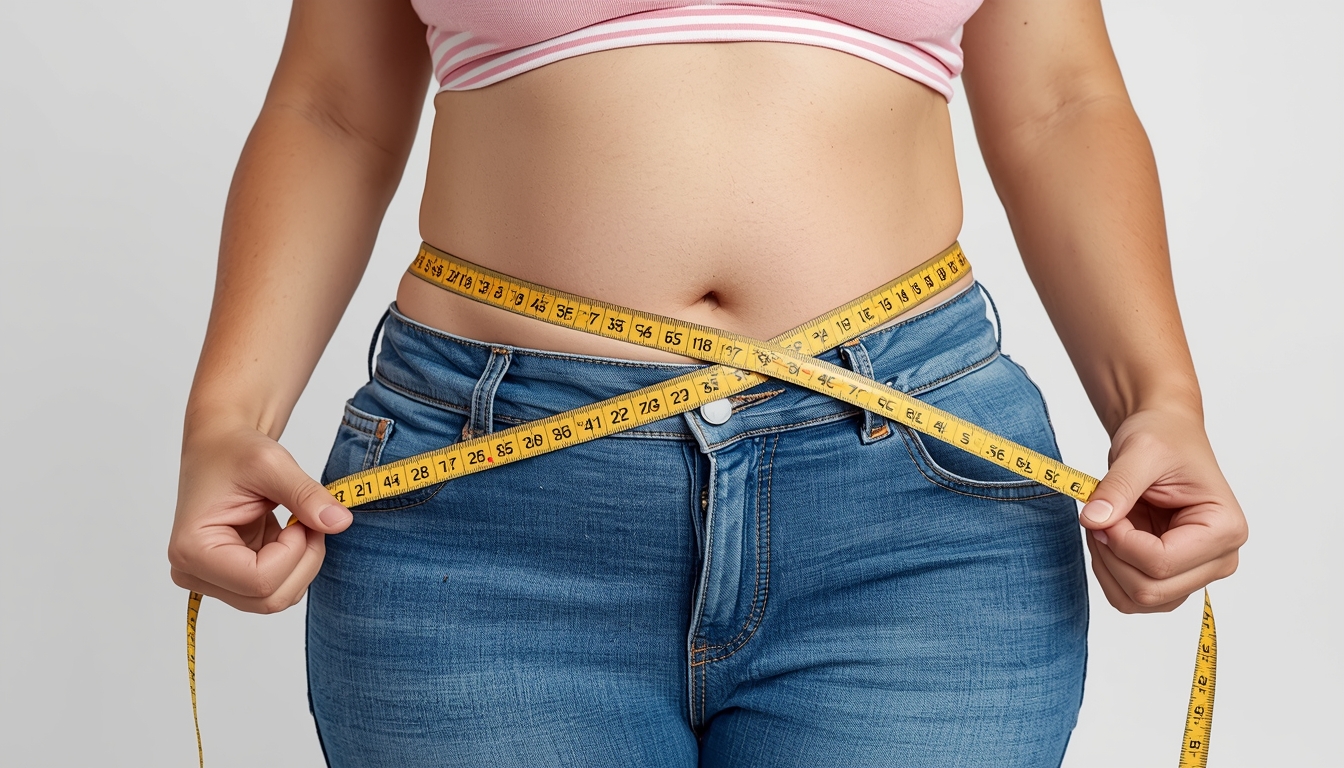
Ideal Weight for Your Height: Simple Formulas
Find your healthy weight range based on height. Simple formulas and practical tips.
Read article →
BMI vs Body Fat: Which One Actually Matters More?
BMI says one thing. Body fat says another. Here's how to know which number to trust for your health.
Read article →
BMI Calculator Limitations: 10 Factors Not Considered
BMI doesn't tell the full story. Learn what factors your BMI calculator ignores and what measurements are more accurate for health assessment.
Read article →
Why Water Intake Is Important: 7 Reasons Your Body Needs It
Water does more than just quench your thirst. Here's why drinking enough matters for energy, weight loss, skin, and overall health.
Read article →
Superfoods for Heart Health: 10 Foods Cardiologists Actually Eat
Want a healthier heart? Here are 10 superfoods cardiologists swear by. Simple, delicious, and backed by science - plus tools to track your progress.
Read article →
Weight Loss for Women at Home: 7 Things That Actually Work
Trying to lose weight at home? Here's what works for real women - no gym required. Simple steps, honest advice, and tools to track your progress.
Read article →
Healthy Weight for Women in Their 30s: What Actually Works
Wondering what a healthy weight looks like for women in their 30s? Here's what changes after 30 and how to find your ideal weight range.
Read article →
Healthy BMI for Women by Age: What's Normal in Your 20s, 30s, 40s, 50s and Beyond
Wondering what a healthy BMI looks like for women at different ages? Here's exactly how your ideal weight range changes from your 20s through your 70s and beyond.
Read article →
Morning Routine for Weight Loss: 7 Simple Habits That Actually Work
Want to lose weight without crazy diets? Here's exactly what to do in the first hour after waking up to boost metabolism, burn fat, and feel great all day.
Read article →
How to Increase Fertility Naturally: 11 Science-Backed Ways to Boost Your Chances of Getting Pregnant
Wondering how to boost your fertility naturally? From the best foods to eat for ovulation to lifestyle changes that actually work, here's what you need to know.
Read article →
How Much Water Should You Drink During Pregnancy? A Complete Guide for Every Trimester
Wondering how much water you really need while pregnant? From first trimester nausea to third trimester swelling, here's exactly how to stay hydrated for you and baby.
Read article →
Heart Disease Symptoms, Causes, and the New Treatments Changing Everything (Including AI)
Chest pain? Shortness of breath? Here's what your symptoms mean, plus the latest breakthroughs in heart care—from AI that predicts heart attacks to new meds and high-tech sensors.
Read article →
Heart Attacks in Young People: Why It's Happening and What You Can Do About It
Young men and women in their 20s, 30s, and 40s are having heart attacks at alarming rates. Here's why lifestyle, stress, and food choices are to blame—and how to protect yourself.
Read article →
Waist-to-Height Ratio: The Simple Number That Tells You More Than BMI
Forget complicated health metrics. Your waist-to-height ratio takes two seconds to measure and might predict your health risks better than BMI. Here's how to do it.
Read article →
Healthy Sleep Habits: How to Fall Asleep Faster, Stay Asleep Longer, and Wake Up Refreshed
Struggling to fall asleep or wake up tired? Here's exactly how to fix your sleep schedule, create the perfect bedtime routine, and finally get the rest your body needs.
Read article →
How Much Can You REALLY Lift? Here's How to Find Out Without Crashing
Everyone at the gym wonders how much they could bench if they went all out. But going for a true max is risky. Here's the smarter way to find your real strength.
Read article →
You're Eating WAY More Sugar Than You Think: Here's Where It's Hiding
That 'healthy' yogurt has more sugar than a donut. Your morning coffee is basically dessert. Here's how to find the hidden sugar in everyday foods and how much is actually okay.
Read article →
Health Calculators That Could Help in an Emergency: What to Know Before You Need It
When minutes matter, having the right information about your body can make all the difference. Here's how simple health calculators can help in unexpected situations.
Read article →
First Trimester Survival Guide: What No One Tells You About Weeks 1-12
From the exhaustion that hits like a truck to the weird food aversions nobody warned you about. Here's what actually happens in the first trimester and how to survive it.
Read article →
What Is Leucovorin? Why Everyone's Talking About This Drug and Autism
Leucovorin is all over social media right now. Parents are sharing stories, and the FDA just made a major announcement. Here's what you need to know about this medication and its connection to autism.
Read article →
Understanding Autism Spectrum Disorder: Signs, Support, and What Every Parent Should Know
Worried about your child's development? Here's what autism spectrum disorder really means, early signs to watch for, how diagnosis works, and where to find support.
Read article →
How to Reduce Stress: Simple Ways to Calm Your Mind and Protect Your Health
Feeling overwhelmed, anxious, or just burned out? Here's why stress is so hard on your body, how it affects your heart and brain, and what actually works to calm down in real life.
Read article →
What to Eat After Cancer: A Survivor's Guide to Food, Healing, and Moving Forward
Worried about what to eat after a cancer diagnosis? Here's a practical guide to healthy foods, what to avoid, nourishing drinks, and simple habits that help survivors feel stronger every day.
Read article →
How to Increase Testosterone Naturally: Foods, Workouts, and Lifestyle Changes That Actually Work
Low energy? Struggling in the gym? Here's how to boost your testosterone naturally with simple food swaps, effective workouts, and daily habits that make a real difference.
Read article →
Fish Oil Benefits: What It Does for Men, Women, Your Heart, Brain, and Hormones
Wondering if fish oil is worth the hype? Here's what omega-3s actually do for your heart, brain, testosterone, cholesterol, and stress levels—plus how to choose the right one.
Read article →
Foods That Support Healthy Ovulation: What to Eat for Hormone Balance and Regular Cycles
Struggling with irregular ovulation or anovulatory cycles? Here's what to eat to support hormone balance, improve egg quality, and get your cycle back on track naturally.
Read article →
Best Way to Eat Eggs: Boiled, Fried, Omelet, or Raw? How Cooking Method Changes Nutrition
Boiled, half-boiled, omelet, or fried? Here's how different cooking methods affect protein absorption, nutrition, and safety plus who should eat eggs and who should avoid them.
Read article →
Easy Stress Relief at Home: Simple Things That Actually Calm Your Mind
No complicated routines or expensive gadgets. Here are simple ways to relieve stress at home using music, meditation, crafts, and small shifts in how you think.
Read article →
Natural Cough Remedies: What Actually Works for Nighttime Cough, Sore Throat, and Chest Congestion
That tickle in your throat keeping you awake? Here are natural cough remedies that work, from ginger at night to hot water with honey, plus when to reach for a trusted syrup.
Read article →
Antibiotics: What They Treat, How They Work, and Why You Need to Take Them Correctly
Wondering if you need antibiotics for that cough or sore throat? Here's what antibiotics actually treat, how they work, common types, and why finishing the full prescription matters.
Read article →
Diet Plan for Women: Simple Food Guidelines That Work With Your Body, Not Against It
Tired of diets that ignore your hormones, your cycle, and your real life? Here's a sustainable eating plan for women that actually works with your body's natural rhythms.
Read article →
How to Stay Hydrated in Hot Weather: A Guide for Kids, Adults, and Pregnant Women
Summer heat is coming. Here's how much water everyone in your family needs from kids to pregnant women and simple tips to keep everyone hydrated when temperatures rise.
Read article →
El Niño Is Coming: How to Stay Safe, Hydrated, and Healthy in the Months Ahead
El Niño is bringing extreme heat and unpredictable weather. Here's what it means for your health, how much water you need, and simple ways to protect your family.
Read article →What Is BMI? Simple Guide to Body Mass Index
Learn what BMI means, how to calculate it, and what your BMI number says about your health.
Read article →How to Lower BMI: 7 Simple Steps That Actually Work
Trying to lower your BMI? Here's what works - no crash diets, no gimmicks. Simple steps, real examples, and tools to track your progress.
Read article →What Is BMR? Simple Guide to Your Metabolism
Learn what BMR means, why it matters for weight, and how to calculate yours.
Read article →Ideal Weight for Your Height: Simple Formulas
Find your healthy weight range based on height. Simple formulas and practical tips.
Read article →BMI vs Body Fat: Which One Actually Matters More?
BMI says one thing. Body fat says another. Here's how to know which number to trust for your health.
Read article →BMI Calculator Limitations: 10 Factors Not Considered
BMI doesn't tell the full story. Learn what factors your BMI calculator ignores and what measurements are more accurate for health assessment.
Read article →Why Water Intake Is Important: 7 Reasons Your Body Needs It
Water does more than just quench your thirst. Here's why drinking enough matters for energy, weight loss, skin, and overall health.
Read article →Superfoods for Heart Health: 10 Foods Cardiologists Actually Eat
Want a healthier heart? Here are 10 superfoods cardiologists swear by. Simple, delicious, and backed by science - plus tools to track your progress.
Read article →Weight Loss for Women at Home: 7 Things That Actually Work
Trying to lose weight at home? Here's what works for real women - no gym required. Simple steps, honest advice, and tools to track your progress.
Read article →Healthy Weight for Women in Their 30s: What Actually Works
Wondering what a healthy weight looks like for women in their 30s? Here's what changes after 30 and how to find your ideal weight range.
Read article →Healthy BMI for Women by Age: What's Normal in Your 20s, 30s, 40s, 50s and Beyond
Wondering what a healthy BMI looks like for women at different ages? Here's exactly how your ideal weight range changes from your 20s through your 70s and beyond.
Read article →Morning Routine for Weight Loss: 7 Simple Habits That Actually Work
Want to lose weight without crazy diets? Here's exactly what to do in the first hour after waking up to boost metabolism, burn fat, and feel great all day.
Read article →How to Increase Fertility Naturally: 11 Science-Backed Ways to Boost Your Chances of Getting Pregnant
Wondering how to boost your fertility naturally? From the best foods to eat for ovulation to lifestyle changes that actually work, here's what you need to know.
Read article →How Much Water Should You Drink During Pregnancy? A Complete Guide for Every Trimester
Wondering how much water you really need while pregnant? From first trimester nausea to third trimester swelling, here's exactly how to stay hydrated for you and baby.
Read article →Heart Disease Symptoms, Causes, and the New Treatments Changing Everything (Including AI)
Chest pain? Shortness of breath? Here's what your symptoms mean, plus the latest breakthroughs in heart care—from AI that predicts heart attacks to new meds and high-tech sensors.
Read article →Heart Attacks in Young People: Why It's Happening and What You Can Do About It
Young men and women in their 20s, 30s, and 40s are having heart attacks at alarming rates. Here's why lifestyle, stress, and food choices are to blame—and how to protect yourself.
Read article →Waist-to-Height Ratio: The Simple Number That Tells You More Than BMI
Forget complicated health metrics. Your waist-to-height ratio takes two seconds to measure and might predict your health risks better than BMI. Here's how to do it.
Read article →Healthy Sleep Habits: How to Fall Asleep Faster, Stay Asleep Longer, and Wake Up Refreshed
Struggling to fall asleep or wake up tired? Here's exactly how to fix your sleep schedule, create the perfect bedtime routine, and finally get the rest your body needs.
Read article →How Much Can You REALLY Lift? Here's How to Find Out Without Crashing
Everyone at the gym wonders how much they could bench if they went all out. But going for a true max is risky. Here's the smarter way to find your real strength.
Read article →You're Eating WAY More Sugar Than You Think: Here's Where It's Hiding
That 'healthy' yogurt has more sugar than a donut. Your morning coffee is basically dessert. Here's how to find the hidden sugar in everyday foods and how much is actually okay.
Read article →Health Calculators That Could Help in an Emergency: What to Know Before You Need It
When minutes matter, having the right information about your body can make all the difference. Here's how simple health calculators can help in unexpected situations.
Read article →First Trimester Survival Guide: What No One Tells You About Weeks 1-12
From the exhaustion that hits like a truck to the weird food aversions nobody warned you about. Here's what actually happens in the first trimester and how to survive it.
Read article →What Is Leucovorin? Why Everyone's Talking About This Drug and Autism
Leucovorin is all over social media right now. Parents are sharing stories, and the FDA just made a major announcement. Here's what you need to know about this medication and its connection to autism.
Read article →Understanding Autism Spectrum Disorder: Signs, Support, and What Every Parent Should Know
Worried about your child's development? Here's what autism spectrum disorder really means, early signs to watch for, how diagnosis works, and where to find support.
Read article →How to Reduce Stress: Simple Ways to Calm Your Mind and Protect Your Health
Feeling overwhelmed, anxious, or just burned out? Here's why stress is so hard on your body, how it affects your heart and brain, and what actually works to calm down in real life.
Read article →What to Eat After Cancer: A Survivor's Guide to Food, Healing, and Moving Forward
Worried about what to eat after a cancer diagnosis? Here's a practical guide to healthy foods, what to avoid, nourishing drinks, and simple habits that help survivors feel stronger every day.
Read article →How to Increase Testosterone Naturally: Foods, Workouts, and Lifestyle Changes That Actually Work
Low energy? Struggling in the gym? Here's how to boost your testosterone naturally with simple food swaps, effective workouts, and daily habits that make a real difference.
Read article →Fish Oil Benefits: What It Does for Men, Women, Your Heart, Brain, and Hormones
Wondering if fish oil is worth the hype? Here's what omega-3s actually do for your heart, brain, testosterone, cholesterol, and stress levels—plus how to choose the right one.
Read article →Foods That Support Healthy Ovulation: What to Eat for Hormone Balance and Regular Cycles
Struggling with irregular ovulation or anovulatory cycles? Here's what to eat to support hormone balance, improve egg quality, and get your cycle back on track naturally.
Read article →Best Way to Eat Eggs: Boiled, Fried, Omelet, or Raw? How Cooking Method Changes Nutrition
Boiled, half-boiled, omelet, or fried? Here's how different cooking methods affect protein absorption, nutrition, and safety plus who should eat eggs and who should avoid them.
Read article →Easy Stress Relief at Home: Simple Things That Actually Calm Your Mind
No complicated routines or expensive gadgets. Here are simple ways to relieve stress at home using music, meditation, crafts, and small shifts in how you think.
Read article →Natural Cough Remedies: What Actually Works for Nighttime Cough, Sore Throat, and Chest Congestion
That tickle in your throat keeping you awake? Here are natural cough remedies that work, from ginger at night to hot water with honey, plus when to reach for a trusted syrup.
Read article →Antibiotics: What They Treat, How They Work, and Why You Need to Take Them Correctly
Wondering if you need antibiotics for that cough or sore throat? Here's what antibiotics actually treat, how they work, common types, and why finishing the full prescription matters.
Read article →Diet Plan for Women: Simple Food Guidelines That Work With Your Body, Not Against It
Tired of diets that ignore your hormones, your cycle, and your real life? Here's a sustainable eating plan for women that actually works with your body's natural rhythms.
Read article →How to Stay Hydrated in Hot Weather: A Guide for Kids, Adults, and Pregnant Women
Summer heat is coming. Here's how much water everyone in your family needs from kids to pregnant women and simple tips to keep everyone hydrated when temperatures rise.
Read article →El Niño Is Coming: How to Stay Safe, Hydrated, and Healthy in the Months Ahead
El Niño is bringing extreme heat and unpredictable weather. Here's what it means for your health, how much water you need, and simple ways to protect your family.
Read article →Explore More
- What Is BMI? Simple Guide to Body Mass Index
- How to Lower BMI: 7 Simple Steps That Actually Work
- What Is BMR? Simple Guide to Your Metabolism
- Ideal Weight for Your Height: Simple Formulas
- BMI vs Body Fat: Which One Actually Matters More?
- BMI Calculator Limitations: 10 Factors Not Considered
- Why Water Intake Is Important: 7 Reasons Your Body Needs It
- Superfoods for Heart Health: 10 Foods Cardiologists Actually Eat
- Weight Loss for Women at Home: 7 Things That Actually Work
- Healthy Weight for Women in Their 30s: What Actually Works
Explore All Health Calculators
From BMI to heart rate, we've got every calculator you need for your health journey.
Heart & Fitness
BMR Calculator: What Your Basal Metabolic Rate Means & How to Use It for Weight Management
What is BMR? A Simple Explanation
Basal Metabolic Rate (BMR) is the number of calories your body burns just to stay alive - breathing, keeping your heart beating, regulating temperature, and powering your organs. Even if you stayed in bed all day, your body would burn this many calories just to keep you alive.
Your Daily Energy Expenditure: How Calories Are Burned
Calories burned at complete rest - breathing, heartbeat, brain function, cell repair. This is the energy needed just to stay alive.
Example: ~1,500 calories/day for average adult
All movement throughout the day - walking, exercise, fidgeting, standing. Highly variable between sedentary and active people.
Range: 200-1,000+ calories/day
Energy used to digest, absorb, and process the food you eat. Protein requires the most energy to digest (20-30%).
Higher with: Protein-rich meals
Real-World Example: 30-Year-Old Woman
BMR: 1,400 calories (energy just to live) + Activity: 500 calories (daily movement) + TEF: 190 calories (digesting food) = TDEE: 2,090 calories/day
This is why two people with the same height and weight can have different calorie needs - their BMR and activity levels vary.
Typical BMR Ranges by Age and Gender
Your BMR depends on your age, gender, body size, and muscle mass. Here are typical ranges for different groups:
| Age Group | Typical Male BMR | Typical Female BMR | Notes |
|---|---|---|---|
| 18-29 years | 1,700 - 2,000 kcal | 1,400 - 1,650 kcal | Peak metabolic years |
| 30-49 years | 1,600 - 1,900 kcal | 1,350 - 1,550 kcal | Gradual decline begins |
| 50-69 years | 1,500 - 1,750 kcal | 1,300 - 1,500 kcal | ~10% lower than young adults |
| 70+ years | 1,300 - 1,600 kcal | 1,200 - 1,400 kcal | ~15-20% lower |
Important: These are averages. An athlete with more muscle might have a BMR 20-30% higher, while someone with less muscle might be 10-15% lower. That's why our calculator uses your personal information.
What Affects Your BMR?
Muscle Mass
Muscle burns 3x more calories than fat at rest.
Impact: +30-50 kcal per kg of muscle
Age
BMR decreases about 1-2% per decade after age 20.
Why: Muscle loss (unless you strength train)
Gender
Men typically have 10-15% higher BMR.
Why: More muscle, larger body size
Body Size
Larger bodies need more energy.
Impact: +10-15 kcal per kg body weight
Thyroid Function
Thyroid hormone controls metabolic rate.
Impact: Can change BMR by 30-50%
Genetics
Some people naturally have faster metabolism.
Impact: ±10-15% variation
BMR vs. TDEE: What's the Difference?
BMR (Basal Metabolic Rate)
Calories burned at complete rest - just keeping you alive.
- • Breathing, heartbeat, brain function
- • Cell repair and growth
- • Temperature regulation
- Accounts for 60-75% of daily calories
TDEE (Total Daily Energy Expenditure)
All calories burned in a day = BMR + activity + digestion.
- • BMR: 60-75% of TDEE
- • NEAT: Walking, fidgeting, standing (15-30%)
- • EAT: Exercise (5-10%)
- • TEF: Digestion (10%)
Example: If your BMR is 1,500 kcal and you're moderately active (exercise 3-4x/week), your TDEE is about 1,500 × 1.55 = 2,325 kcal. That's the total calories you burn in a day.
How to Use Your BMR for Weight Goals
Weight Loss
Eat: TDEE - 500 kcal
Creates ~0.5 kg (1 lb) loss per week. Never eat below your BMR long-term - that slows your metabolism.
Weight Maintenance
Eat: TDEE
Match your calorie intake to your TDEE. Use BMR × activity factor to find your maintenance calories.
Weight Gain
Eat: TDEE + 300-500 kcal
Focus on lean mass gain with strength training and adequate protein.
Important warning: Very low-calorie diets (below your BMR) trigger "metabolic adaptation" - your BMR can drop 15-30% within weeks. This makes weight loss harder and leads to rapid regain when you start eating normally again.
Activity Factors: From BMR to TDEE
How to use: Multiply your BMR by the factor that matches your lifestyle. That's your TDEE - the calories needed to maintain your current weight.
Can You Increase Your BMR?
Yes! While you can't change your age or genetics, these strategies can boost your metabolic rate:
Build Muscle
+30-50 kcal per kg of muscle gained
Strength training 3-4x/week. Adding 5kg of muscle increases your daily BMR by 150-250 calories - that's like a 30-minute walk burned while you sleep.
Eat Enough Protein
20-30% TEF vs 5-10% for carbs/fat
Protein has the highest "thermic effect" - your body burns calories just digesting it. Aim for 1.6-2.2g per kg of body weight daily.
Increase NEAT
+100-500 kcal daily
NEAT = Non-Exercise Activity Thermogenesis. Walking, standing, fidgeting, taking stairs. It can vary by 2,000 kcal/day between very sedentary and very active people!
Prioritize Sleep
±5-10% BMR impact
Poor sleep reduces next-day BMR and increases hunger hormones. Aim for 7-9 hours for optimal metabolic health.
BMR Myths vs. Facts
Myth: Eating small meals boosts metabolism
Fact: Meal frequency doesn't significantly affect BMR or 24-hour calorie burn.
Fact: Muscle burns more calories than fat
True: 1kg muscle burns 30-50 kcal/day vs 5-10 kcal for 1kg fat.
Myth: Eating after 7pm causes weight gain
Fact: Total daily calories matter, not timing. Late eaters often eat more overall.
Fact: BMR decreases with age
True: But strength training can completely offset the decline.
Myth: Certain foods have "negative calories"
Fact: No food requires more calories to digest than it provides.
Fact: Protein boosts metabolism most
True: Protein TEF is 20-30% vs 5-10% for carbs and 0-3% for fat.
Why Weight Loss Slows Down: Understanding Metabolic Adaptation
One of the most frustrating experiences in any weight loss journey is hitting a plateau. You're eating the same number of calories, exercising just as much, but the scale won't budge. This isn't your fault - it's a predictable biological response called metabolic adaptation.
What Happens During Metabolic Adaptation
When you lose weight, your BMR doesn't just decrease because you're smaller - it drops MORE than expected. Research shows:
- •For every 10 pounds lost, BMR can drop 50-100 calories more than predicted by body composition alone
- •This adaptation can last for years after weight loss - which is why keeping weight off is harder than losing it
- •The body becomes more efficient, using fewer calories to do the same work
Why Your Body Does This
Think of it as your body's ancient survival system. When it senses less food coming in, it tries to protect you by:
- •Lowering thyroid hormone: Your metabolism slows down to conserve energy
- •Increasing hunger: Ghrelin (the hunger hormone) can spike 20-40%
- •Reducing fullness signals: Leptin drops, making you feel less satisfied after meals
- •Moving less unconsciously: You naturally fidget and move around less without realizing it
How to Break Through a Weight Loss Plateau
After losing 10-15 pounds, your BMR is lower. Use our BMR calculator to find your new numbers.
Gradually increase calories by 50-100 per week to "reset" your metabolism after prolonged dieting.
Add more non-exercise movement - walking, standing, taking stairs. It adds up without exhausting you. Check our NEAT guide.
BMR Considerations for Different Groups
Your BMR isn't one-size-fits-all. Here's how it changes for different life stages and situations:
Older Adults (65+)
As we age, we naturally lose muscle mass (sarcopenia). This can drop BMR by 10-20% compared to younger adults.
What helps: Higher protein intake (aim for 25-30g per meal) and strength training. Try our protein calculator.
Pregnancy & Breastfeeding
BMR increases 20-25% during pregnancy and 5-10% while breastfeeding due to the energy needed for baby.
Note: Standard BMR equations underestimate needs here. Check our pregnancy guide.
Athletes & Active People
More muscle means higher BMR. Athletes can have BMR 20-30% above predicted - they burn more calories even at rest.
Example: A muscular 200-pound athlete might burn 400 more calories at rest than predicted. See our body fat guide.
Medical Conditions That Affect Your BMR
Certain health conditions can significantly speed up or slow down your metabolism. If you have any of these, standard BMR calculations might not be accurate for you.
| Condition | Effect on BMR | What This Means For You |
|---|---|---|
| Underactive Thyroid (Hypothyroidism) | -30 to -50% | You may gain weight easily and feel tired. Treatment can help restore normal metabolism. |
| Overactive Thyroid (Hyperthyroidism) | +30 to +60% | You may lose weight without trying and feel anxious or jittery. |
| PCOS | -5 to -15% | Hormonal imbalances can slow metabolism. Insulin resistance is common. Check our PCOS guide. |
| Type 2 Diabetes | Variable | Insulin resistance affects how your body uses fuel. See our diabetes risk guide. |
| Cushing's Syndrome | Variable | High cortisol levels change how fat is stored and used. |
Talk to your doctor: If you have any of these conditions or suspect a thyroid issue, work with your healthcare provider to determine the right calorie targets for you. BMR calculators are estimates - they don't replace medical advice.
How Different Diets Affect Your BMR
Not all diets affect your metabolism the same way. Here's what the research shows about popular approaches:
Low-Carb / Keto Diets
The rapid weight loss at the start is mostly water. Some studies show a slight BMR advantage (about 50-100 calories) due to higher protein, but long-term differences are small.
Bottom line: Works for some, but sustainability matters most. Try our macro calculator.
Low-Fat / High-Carb Diets
These can work well, but if protein is too low, you might lose muscle along with fat. Muscle loss means lower BMR long-term.
Bottom line: Keep protein high to protect your metabolism. Use our protein calculator.
Intermittent Fasting
Short-term fasting (16-24 hours) actually increases BMR by 5-10% temporarily. But extended fasting beyond 48 hours can slow metabolism.
Bottom line: Helpful for some, but total calories still matter. See our fasting guide.
Mediterranean Diet
Rich in healthy fats and moderate protein. Often easier to stick with long-term, which means less yo-yo dieting and better muscle preservation.
Bottom line: Sustainable approach with good metabolic benefits.
5 Common BMR Mistakes That Can Slow Your Progress
Even with the best intentions, these common errors can sabotage your results. Here's what to watch out for:
Eating below your BMR long-term
This triggers "starvation mode" - your metabolism slows down to match your low intake. Always eat at least your BMR calories. Use our BMR calculator to find your number.
Not recalculating after weight loss
Lost 20 pounds? Your BMR is now lower. Using old numbers means you're eating more than you think. Recalculate every 10-15 pounds lost.
Skimping on protein
Low protein during weight loss means you lose muscle, not just fat. Less muscle = lower BMR. Aim for 20-40g protein per meal. Check our protein guide.
Overestimating your activity level
Most people choose "moderate" or "active" when they're actually sedentary or lightly active. Be honest - it's better to underestimate and adjust up than overestimate and not lose weight.
Ignoring medical conditions
Thyroid issues, PCOS, and other conditions can throw off BMR calculations by 30% or more. If you have a medical condition, work with your doctor to find the right approach.
How to Track Your BMR Over Time
Your BMR changes as your body changes. Here are simple ways to keep track:
Use Our Calculator Monthly
Bookmark this page and recalculate every 4-8 weeks. Watch how your BMR changes as you lose weight or build muscle.
Go to BMR Calculator →Smart Scales
Many smart scales estimate BMR. They're not perfectly accurate, but they're great for tracking trends over time. Check our scale guide.
Track Your Maintenance
If your weight is stable, track what you eat for 2 weeks. Your average daily intake equals your TDEE. Use our TDEE calculator to work backwards.
Why Your BMR Matters for Long-Term Health
Your metabolic rate isn't just about weight - it's a window into your overall health. A healthy BMR usually means:
- Good muscle mass: Protects against falls and frailty as you age
- Healthy thyroid function: Your hormones are working properly
- Better blood sugar control: Lower risk of type 2 diabetes
- More energy: You feel better day-to-day
Quick BMR Health Check
Compare your BMR to these general ranges:
Remember: Everyone is different. These are general guidelines, not strict rules.
Frequently Asked Questions About BMR
How is BMR different from BMI?
BMI (Body Mass Index) tells you if you're at a healthy weight for your height. BMR tells you how many calories your body burns at rest. BMI is about body composition; BMR is about energy needs.
How accurate is the BMR calculator?
Our calculator uses the Mifflin-St Jeor equation, which is 85-95% accurate for most people. It's the formula recommended by dietitians and used in clinical settings. For the most precise measurement, indirect calorimetry (a breathing test) is needed.
Should I eat below my BMR to lose weight?
No! Eating below your BMR long-term triggers metabolic adaptation - your body slows down to conserve energy. This makes weight loss harder and leads to rapid regain. Instead, eat between BMR and TDEE for sustainable weight loss.
Does BMR change as I lose weight?
Yes. As you lose weight, your BMR decreases because you're carrying less body mass. That's why weight loss often slows down over time - you need to adjust your calorie intake as you get smaller.
Why is my BMR different from my friend's?
BMR varies based on muscle mass, age, gender, body size, genetics, and even thyroid function. Two people with the same weight and height can have very different BMRs based on their body composition.
How often should I recalculate my BMR?
Recalculate after significant weight changes (5kg/11lb) or every 4-8 weeks. BMR changes slowly, so monthly checks are plenty for tracking progress.
Find Your BMR in Seconds
Get your personalized Basal Metabolic Rate using the clinically validated Mifflin-St Jeor equation. Free, private, and takes just 30 seconds.
Trusted by 250,000+ monthly users • No registration required • 100% private