Easy Stress Relief at Home: Simple Things That Actually Calm Your Mind

Easy Stress Relief at Home: Simple Things That Actually Calm Your Mind
My sister called me last week, overwhelmed. Work deadlines. Kid stuff. Money worries. The news. "I feel like my brain is vibrating," she said. "I can't turn it off."
I've been there. Most of us have. Stress isn't just in your head it's in your shoulders, your jaw, your stomach, your sleep. And the usual advice? "Just relax." As if it's that easy.
Here's the thing about stress relief: it doesn't have to be complicated. You don't need a yoga retreat or a meditation app or a $200 weighted blanket. Some of the best stress relievers are free, simple, and right in your own home.
Let me walk you through what actually works for real people with real lives.
First, Understand How Stress Works in Your Body
When you're stressed, your body releases cortisol and adrenaline. These hormones are great if you're running from a tiger. Not so great if you're just trying to answer emails.
The problem: Your body can't tell the difference between a real emergency and a stressful thought. Same hormones. Same physical response.
The good news: You can trick your body into calming down. Simple actions send signals to your nervous system that say, "We're safe. We can relax now."
Track your stress patterns: Use our Sleep Calculator because poor sleep and high stress feed each other.
Change Your Thinking Pattern (This Is the Most Important Part)
Most stress comes from how we think about things, not the things themselves. The same situation can stress one person out while another person barely notices.
The "Is This Helping?" Question
When you notice yourself spiraling, ask one question: "Is this thought helping me right now?"
Not "Is this thought true?" Not "Should I be thinking this?" Just "Is it helping?"
If the answer is no, you don't have to fight the thought. You don't have to argue with it. You just say, "This isn't helping," and gently turn your attention to something else.
The 5-4-3-2-1 Grounding Trick
When your mind is racing, use your senses to pull yourself back to the present:
- Name 5 things you can SEE (lamp, coffee mug, window, your hand, a book)
- Name 4 things you can TOUCH (your shirt, the table, your hair, a blanket)
- Name 3 things you can HEAR (traffic, the fridge, your breath)
- Name 2 things you can SMELL (coffee, candle, fresh air)
- Name 1 thing you can TASTE (water, mint, whatever)
This takes 60 seconds and works almost every time.
The "Tomorrow Problem" Rule
If you're stressed about something you can't do anything about right now, tell yourself: "I'll think about this tomorrow at 10 AM."
Then actually schedule it. Put it on your calendar. Your brain will often let go of the worry because it knows there's a designated time to deal with it.
The "So What?" Challenge
Ask yourself: "What's the worst that could happen? And could I handle it?"
Most of the time, the worst isn't actually that bad. And you've handled hard things before. You'll handle this too.
Meditation Without the Woo-Woo
I know. "Meditate" sounds like something only monks do. But meditation is just practicing paying attention. Anyone can do it.
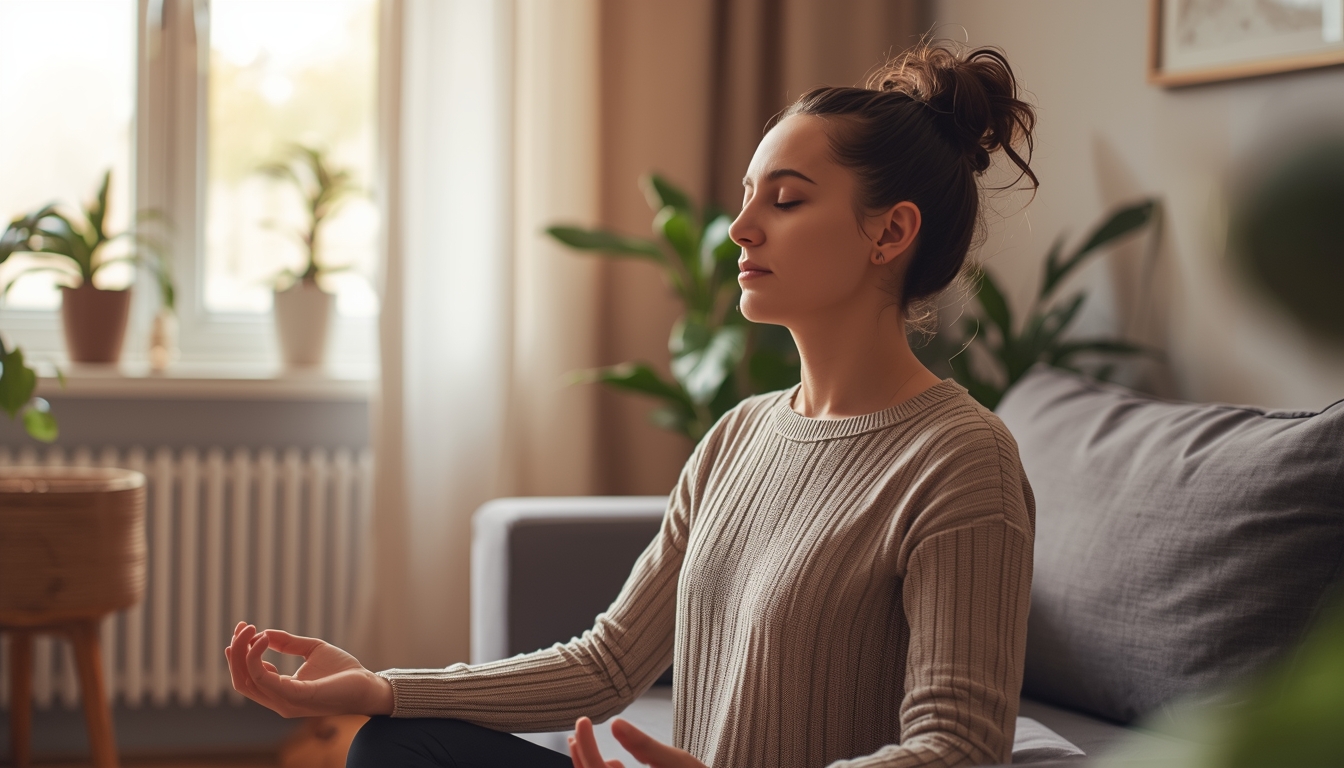
The 3-Breath Meditation
You don't need 20 minutes. Just take 3 conscious breaths.
Breathe in slowly. Breathe out slowly. Notice how the air feels. That's it. Three breaths. You just meditated.
The "Noticing" Practice
Sit somewhere for 2 minutes. Don't try to clear your mind. Just NOTICE what's happening.
Notice your feet on the floor. Notice the temperature of the air. Notice sounds. Notice thoughts passing by like clouds. You're not grabbing the thoughts. Just noticing them.
Walking Meditation (For People Who Can't Sit Still)
Walk slowly across your living room. Feel your foot lift, move forward, touch the ground. Feel your other foot do the same. That's it. Just walking and noticing walking.
**Use our BMR Calculator to track how stress affects your energy and metabolism.
Calm Music That Actually Helps
Not all music is relaxing. Heavy metal probably isn't going to lower your cortisol. But certain types of music genuinely calm your nervous system.
What works best:
- Instrumental music (no lyrics to process)
- Songs with 60-80 beats per minute (about the speed of a resting heart rate)
- Nature sounds mixed with soft instruments
- Piano, acoustic guitar, or strings
Where to find it: Search "calming instrumental" or "stress relief music" on any music app. There are endless playlists.
Try this: Put on calm music and just listen. Not while scrolling your phone. Not while working. Just sit and listen for 5 minutes.
Even better: Combine music with slow breathing. Breathe in for 4 counts, out for 6 counts, to the rhythm of the music.
Simple Crafts That Quiet Your Mind
Doing something with your hands is incredibly calming. It pulls your brain out of thinking mode and into doing mode.
No artistic talent required: This isn't about making something beautiful. It's about occupying your hands so your mind can rest.
Coloring books for adults: Not a joke. Complex coloring patterns require just enough focus to quiet racing thoughts. Get a cheap coloring book and some colored pencils.
Origami: Folding paper into shapes requires concentration. By the time you've made a few paper cranes, your stress has dropped.
Knitting or crochet: The repetitive motion is meditative. Many people say knitting feels like a hug for their brain.
Clay or play-doh: Squishing something with your hands releases tension. You don't need to make anything specific. Just squish.
Gardening (even indoors): Poking your fingers in soil, watering plants, pinching off dead leaves—all calming. A few small potted plants on a windowsill are enough.
Jigsaw puzzles: Searching for the right piece uses a different part of your brain than worrying does. Put on calm music and puzzle for 20 minutes.
Simple Things You Can Do at Home
Make tea the slow way. Not a Keurig cup. Boil water in a kettle. Choose a tea bag or loose leaf. Pour slowly. Hold the warm mug with both hands. Sip. Notice the taste.
Take a real break from your phone. Not "I'll just check one thing." Put it in another room for 30 minutes. See how your shoulders drop.
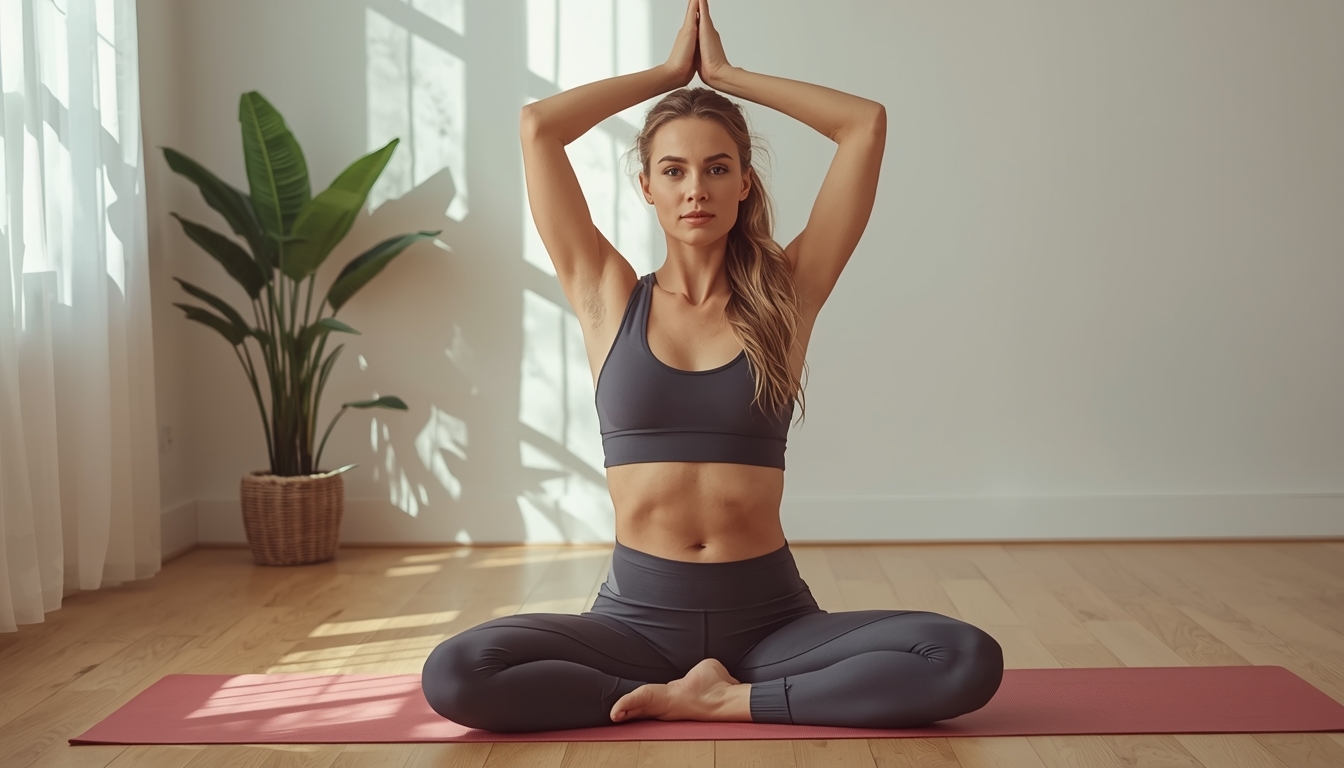
Stretch for 3 minutes. Reach your arms up. Roll your shoulders. Touch your toes. Bend side to side. Your body holds stress in your muscles. Stretching releases it.
Light a candle and watch it. That's it. Just watch the flame for a few minutes. Let your eyes soften.
Take a shower and really feel it. Notice the water temperature. Feel it on your shoulders, your back, your neck. Let the stress rinse off.
Pet an animal. If you have a dog or cat, spend 5 minutes just petting them. Their calm heart rate will help lower yours.
Declutter one small area. Clean off your nightstand. Organize one drawer. Having a small sense of control reduces stress.
Things You Can Do Outside Your Home
Go for a walk with no destination. Leave your phone at home or in your pocket. Don't listen to anything. Just walk. Notice trees, clouds, houses, cracks in the sidewalk.
Sit in a park for 10 minutes. Don't read. Don't scroll. Just sit. Watch people, dogs, birds. Let your mind wander.
Visit a library. Libraries are naturally quiet. The smell of books is calming. You don't have to check anything out. Just sit.
Find water. A lake, a river, a fountain, the ocean. Watching moving water is naturally calming. If you can't get to water, watch a video of waves (not the same, but it helps).
Go to a coffee shop alone. Sit with a drink and just be around people without having to talk to anyone. Background chatter can be weirdly calming.
What NOT to Do for Stress Relief
Don't scroll social media. It feels like a break, but it's actually feeding your stress. Comparison, bad news, endless information—all stress triggers.
Don't drink alcohol to relax. It works temporarily, then rebounds worse. Alcohol disrupts sleep and increases anxiety the next day.
Don't binge eat. Stress eating feels good in the moment. Then you feel worse. Your body deserves better.
Don't just "push through." Ignoring stress doesn't make it go away. It just stores it in your body for later.
A Simple 10-Minute Stress Relief Routine
Try this when you feel overwhelmed:
Minute 1-2: Take 10 slow breaths. Breathe in for 4 counts, out for 6 counts.
Minute 3-4: Do the 5-4-3-2-1 grounding exercise.
Minute 5-7: Put on calm music and stretch.
Minute 8-10: Make a cup of tea or hold a warm mug. Sip slowly.
That's it. Ten minutes. You'll feel different.
Questions People Ask About Stress Relief
Q: What if I can't stop thinking? A: Don't try to stop. Just notice the thoughts like clouds passing by. You don't have to grab every cloud.
Q: How long until stress relief works? A: Some things (deep breathing) work in minutes. Others (changing thinking patterns) take weeks of practice. Be patient with yourself.
Q: I don't have time for this. A: You don't have time NOT to do this. Stressed people get sick, make mistakes, and burn out. Five minutes of stress relief saves you hours of being unproductive.
Q: What if nothing works? A: See a doctor or therapist. Sometimes stress is actually anxiety or depression that needs professional help. That's not failure that's smart.
The Bottom Line
My sister who felt like her brain was vibrating? She started with just the 3-breath meditation. Then she added calming music during her morning coffee. Then she started taking her dog for actual walks instead of just quick bathroom breaks.
She's not stress free. Nobody is. But she's not vibrating anymore.
Here's what to remember:
- Your thoughts aren't facts. You can change how you relate to them.
- Small actions (3 breaths, 5 minutes of music) add up.
- You don't need anything special just a few minutes and willingness to try.
Start today: Pick ONE thing from this list. Do it right now. Not tomorrow. Not when you have more time. Now.
Your calm is waiting for you.
This article is for informational purposes only. If stress is affecting your daily life, talk to a doctor or mental health professional.