How to Increase Testosterone Naturally: Foods, Workouts, and Lifestyle Changes That Actually Work

How to Increase Testosterone Naturally: Foods, Workouts, and Lifestyle Changes That Actually Work
My younger brother called me last month, frustrated. He's 32, works out consistently, eats pretty decent, but lately? Zero energy. No motivation. Gym progress stalled. And honestly? His mood has been crap.
"I feel like I'm 50, not 30," he said. "Is this just... getting older?"
Probably not. What he's describing low energy, poor recovery, lack of drive—could be related to testosterone levels. And he's not alone. More and more men in their 30s and 40s are dealing with this.
Here's the good news: you don't need shots or sketchy supplements to boost your testosterone. Simple changes to what you eat, how you move, and how you live can make a huge difference.
Let me walk you through what actually works.
First, What Is Testosterone and Why Does It Matter?
Testosterone is the primary male sex hormone, but it does way more than just affect libido. It plays a role in:
- Muscle growth and strength
- Bone density
- Fat distribution
- Energy levels
- Mood and mental clarity
- Red blood cell production
- Sperm production
Testosterone naturally declines with age about 1-2% per year after 30. But lifestyle factors can speed that decline up or slow it way down.
Low T symptoms include:
- Low sex drive
- Fatigue even with enough sleep
- Difficulty building muscle
- Increased body fat, especially belly fat
- Mood swings or irritability
- Brain fog
- Poor recovery from workouts
If this sounds familiar, read on.
The Best Foods to Boost Testosterone Naturally
You can't out supplement a bad diet. What you eat every day matters more than any pill you take.
Eggs (Especially the Yolks)
Eggs are nature's multivitamin for testosterone. The yolks contain:
- Vitamin D (crucial for T production)
- Cholesterol (your body uses cholesterol to make testosterone)
- Protein for muscle repair
Don't skip the yolk. That's where the good stuff is. 2-3 whole eggs daily is a solid target.
Easy ways to add them: Scrambled eggs for breakfast, hard-boiled eggs for snacks, or eggs on salads.
Almonds and Other Nuts
Almonds are packed with magnesium, zinc, and healthy fats all essential for testosterone production. Magnesium alone has been shown to increase testosterone, especially in men who are deficient.
Other good nuts: Walnuts, Brazil nuts (great for selenium), cashews, pistachios.
How much: A handful (about 1 ounce) daily is plenty. Don't go crazy—nuts are calorie-dense.
Fatty Fish
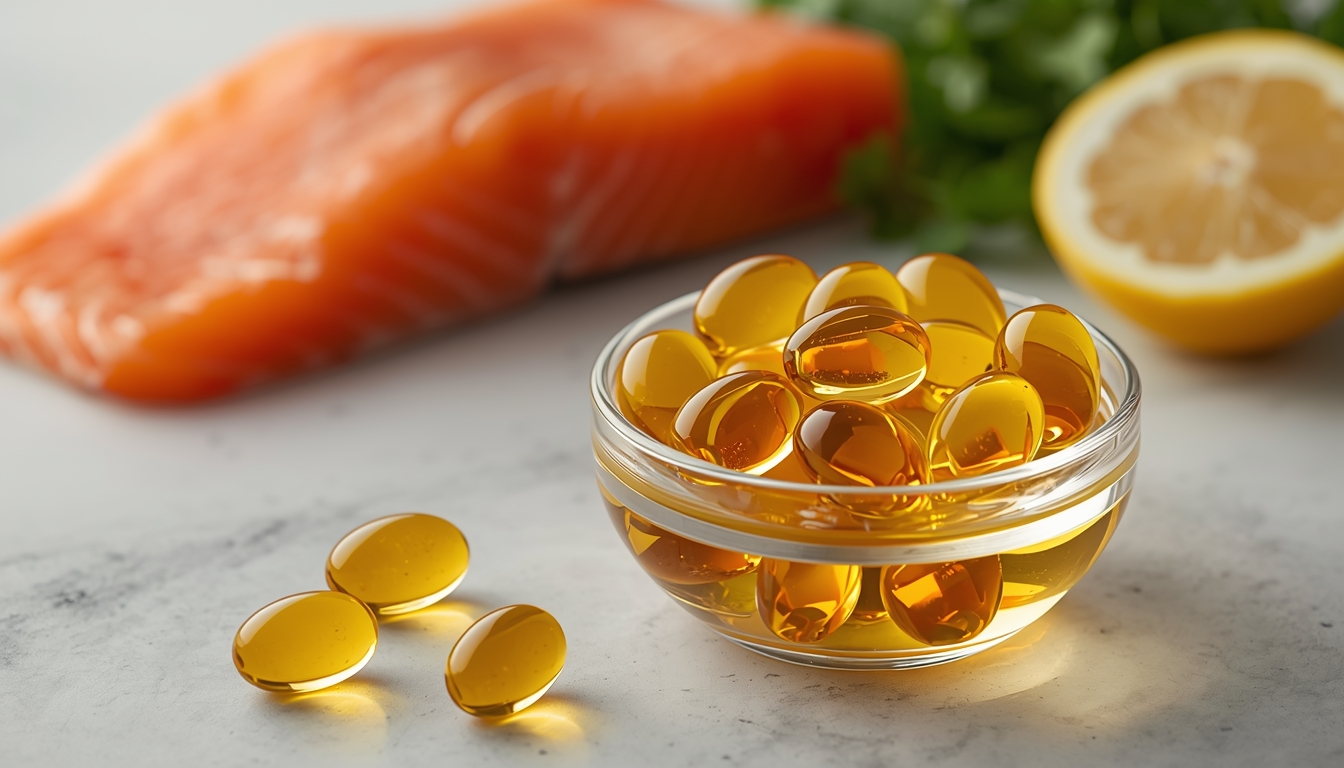
Salmon, tuna, mackerel, and sardines are rich in vitamin D and omega-3 fatty acids. Both support healthy testosterone levels.
Bonus: Omega-3s also reduce inflammation, which helps your whole body function better.
Aim for: Fatty fish 2-3 times per week.
Oysters and Shellfish
Oysters are famous as an aphrodisiac for good reason—they're loaded with zinc. Zinc deficiency is directly linked to low testosterone.
Not an oyster fan? Crab, mussels, and shrimp also provide zinc. So do pumpkin seeds, beef, and lentils.
Lean Red Meat
Grass-fed beef provides zinc, magnesium, and healthy saturated fats your body needs to produce hormones. It's also rich in creatine, which helps with workout performance.
Key point: You don't need huge amounts. A 4-6 ounce serving a few times a week is plenty. Choose lean cuts and watch portion sizes.
Cruciferous Vegetables
Broccoli, cauliflower, cabbage, and Brussels sprouts help your body eliminate excess estrogen. Lower estrogen means better testosterone balance.
Don't skip these: Aim for at least one serving daily.
Pomegranates
Studies have shown pomegranate juice can increase testosterone by up to 24% in some men . It's also packed with antioxidants that improve blood flow and heart health.
Realistic approach: Drink a small glass a few times a week, or just eat the fruit.
Avocados
Healthy fats are essential for hormone production. Avocados provide monounsaturated fats plus magnesium and potassium.
Easy addition: Half an avocado with eggs, on toast, or blended into smoothies.
Garlic
Garlic contains compounds that may lower cortisol (stress hormone). Less cortisol means more room for testosterone.
Plus: It's good for heart health and tastes great. Add it to everything.
Ginger
Ginger has been shown to increase testosterone and boost sperm quality. It also reduces inflammation and helps with muscle recovery.
Easy ways to use it: Fresh grated in stir-fries, ginger tea, or even ginger shots.
Onions
Like garlic, onions contain compounds that may boost testosterone. They're also great for heart health and adding flavor without extra calories.
Dark Chocolate
Yes, chocolate. Dark chocolate (70%+ cocoa) contains magnesium and a compound called theobromine that may help with energy and mood.
Don't overdo it: An ounce or two a day is plenty. Milk chocolate doesn't count too much sugar.
Berries
Blueberries, strawberries, and raspberries are packed with antioxidants that reduce inflammation and protect the cells that produce testosterone.
Olive Oil
Extra virgin olive oil provides healthy fats that support hormone production. It's a cornerstone of the Mediterranean diet, which is linked to better overall health.
Foods That KILL Testosterone (Avoid These)
Just as important as what to eat is what to avoid.
Alcohol
Alcohol directly suppresses testosterone production. Heavy drinking is one of the fastest ways to crash your levels.
The reality: A drink now and then probably won't hurt. But regular heavy drinking? Major problem. If you're trying to boost T, cut back significantly.
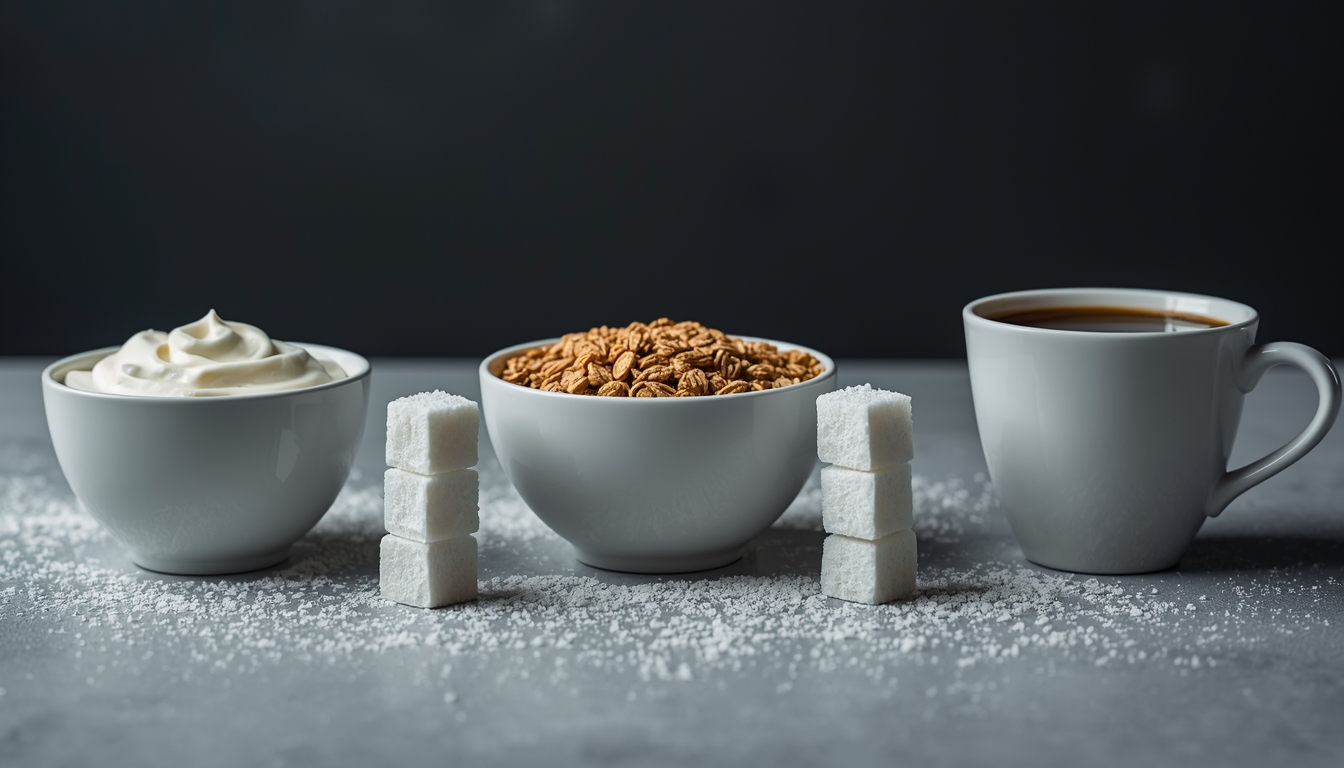
Sugar and Processed Foods
High sugar intake spikes insulin, which can suppress testosterone. Processed foods also tend to be low in nutrients and high in inflammatory fats.
Biggest culprit: Sugary drinks. Soda, sweet tea, energy drinks all terrible for hormone health.
Soy Products (In Excess)
Soy contains phytoestrogens, which can mimic estrogen in the body. Moderate amounts are probably fine, but huge amounts (like multiple servings of soy protein isolate daily) might be problematic.
Trans Fats
Found in fried foods, packaged snacks, and many processed foods. These increase inflammation and mess with hormone production.
Check labels: Avoid anything with "partially hydrogenated oils."
Mint (Peppermint and Spearmint)
Some studies suggest large amounts of mint tea can lower testosterone. Small amounts are fine, but don't overdo the mint tea.
Licorice Root
Real licorice (not the candy) can lower testosterone. Avoid supplements with licorice root.
The Best Workouts for Testosterone
What you do in the gym matters almost as much as what you eat.
Heavy Compound Lifts
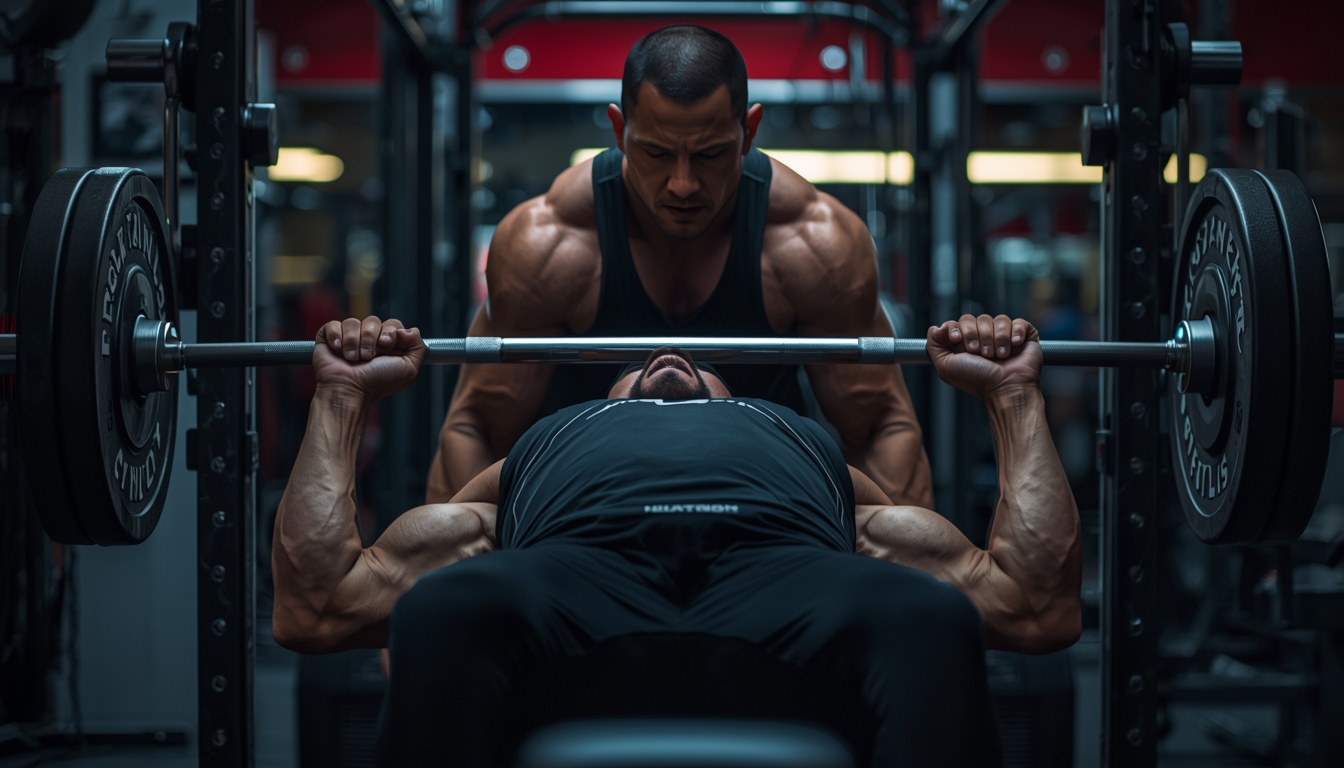
The best exercises for testosterone are the ones that use the most muscle groups. Focus on:
- Squats
- Deadlifts
- Bench press
- Overhead press
- Rows
- Pull-ups
Why these work: They create the most muscle tension and metabolic stress, which signals your body to produce more testosterone.
Pro tip: Lift heavy. For testosterone benefits, work in the 70-85% of your one-rep max range. That means weights where you can do 6-10 reps with good form, but the last rep is challenging.
Don't Skip Leg Day
Leg workouts, especially squats, trigger the biggest testosterone response because they involve the largest muscle groups. Skipping legs means missing out on your best T-boosting opportunity.
Keep Workouts Under an Hour
Long workouts increase cortisol (stress hormone), which can actually lower testosterone. Aim for 45-60 minutes of focused work, then get out.
Rest Enough Between Sets
For testosterone purposes, rest 60-90 seconds between sets. Too little rest and you won't recover enough to lift heavy. Too much rest and you lose the metabolic effect.
High-Intensity Interval Training (HIIT)
Short bursts of intense work followed by rest periods are great for testosterone. Think sprints, battle ropes, or any exercise where you go all out for 30 seconds then rest for 60.
Sample HIIT workout:
- 30 seconds sprinting (or bike, rower, etc.)
- 60 seconds walking recovery
- Repeat 8-10 times
- Done in 15-20 minutes
Don't Overtrain
Here's the paradox: exercise boosts testosterone, but too much exercise crashes it. Overtraining raises cortisol and can actually lower T.
Signs you're overtraining:
- Constant fatigue
- Poor sleep
- Moodiness
- Getting sick often
- No progress despite working hard
The fix: Take rest days. Get enough sleep. Deload weeks (lighter training) every 4-6 weeks.
Lifestyle Changes That Boost Testosterone
What you do outside the gym matters just as much.
Sleep Is Non-Negotiable
Your body produces most of its testosterone while you sleep. Cutting sleep short directly cuts your T levels.
One study found that men sleeping only 5 hours per night had 15% lower testosterone than those sleeping 8 hours .
The goal: 7-9 hours of quality sleep. Same bedtime, same wake time, even on weekends.
**Use our Sleep Calculator to find your ideal bedtime based on when you need to wake up.
Manage Stress
Chronic stress raises cortisol, and cortisol and testosterone have an inverse relationship when one goes up, the other goes down.
What actually helps:
- Daily movement (walking counts)
- Time outside
- Talking to someone
- Boundaries with work
- Hobbies that have nothing to do with productivity
- Deep breathing or meditation (even 5 minutes helps)
Get Morning Sunlight
Sunlight on your skin triggers vitamin D production, and vitamin D is directly linked to testosterone. Low vitamin D means low T.
What to do: Get 10-30 minutes of morning sun on your arms and face (without sunscreen for that short period). This also helps set your circadian rhythm for better sleep.
If you live in a northern climate: Consider a vitamin D supplement, especially in winter. Get tested to know your levels.
Maintain Healthy Body Fat
Fat cells convert testosterone into estrogen through an enzyme called aromatase. More body fat = more conversion = lower testosterone.
This is especially true for belly fat, which is more metabolically active.
Track your progress: Use our BMI Calculator to know where you stand. For a fuller picture, our Body Fat Calculator shows your actual composition.
Stay Hydrated
Dehydration stresses your body and can affect hormone production. Even mild dehydration affects workout performance and recovery.
How much: Use our Water Intake Calculator to see what you need based on your size and activity level.
Limit Alcohol
One night of heavy drinking can lower testosterone for days. If you're serious about boosting T, seriously limit alcohol.
The trade-off: If you're going to drink, keep it to 1-2 drinks max, and not every night.
Cold Exposure
Some research suggests cold showers or ice baths might temporarily boost testosterone. The evidence isn't rock-solid, but many guys swear by it.
Worth trying: End your shower with 30-60 seconds of cold water. See how you feel.
Have Sex
Regular sexual activity is associated with higher testosterone. Probably not a hardship to add this one.
Other Factors That Affect Testosterone
Medications
Some prescription drugs can lower testosterone:
- Opioid painkillers
- Some antidepressants
- Blood pressure medications
- Steroids (including prednisone)
Never stop a prescribed medication without talking to your doctor, but ask if alternatives exist.
Environmental Toxins
Plastics, pesticides, and other chemicals can disrupt hormones. Reduce exposure by:
- Using glass containers instead of plastic for food storage
- Avoiding plastic water bottles (especially if they've been in heat)
- Eating organic when possible for the "dirty dozen" produce
- Using natural personal care products
Weight Loss
If you're overweight, losing weight is one of the most effective T-boosters. Fat loss reduces aromatase activity and improves hormone balance.
**Use our Ideal Weight Calculator to see a healthy range for your height and frame.
Sample Day for Testosterone Optimization
Morning:
- Wake up same time daily
- 10 minutes morning sunlight
- Glass of water with lemon
- Protein-rich breakfast (eggs, spinach, whole grain toast)
- Coffee (fine in moderation)
Mid-morning snack:
- Handful of almonds
- Apple
Lunch:
- Large salad with mixed greens, tomatoes, cucumbers
- Grilled chicken or salmon
- Olive oil and vinegar dressing
- Side of berries
Afternoon:
- Workout (heavy compound lifts 3x/week, HIIT 1-2x/week)
- Protein shake or post-workout meal within 2 hours
Dinner:
- Lean protein (fish, chicken, lean beef)
- Roasted vegetables (broccoli, cauliflower, Brussels sprouts)
- Quinoa or sweet potato
- Garlic and olive oil seasoning
Evening:
- Wind down without screens 1 hour before bed
- Herbal tea (chamomile, not mint if you're avoiding it)
- 7-9 hours sleep (use our Sleep Calculator to time it right)
How Long Until You See Results?
This isn't overnight. Hormones adjust slowly. Give changes at least 8-12 weeks before evaluating.
What to watch for:
- Better energy (usually the first sign)
- Improved mood
- Better workouts and recovery
- Changes in body composition
- Improved sleep quality
Track your progress: Our BMR Calculator and TDEE Calculator help you monitor changes in metabolism as you build muscle and lose fat.
Questions Men Actually Ask
Q: I'm in my 40s. Is it too late to boost testosterone naturally? A: Not at all. Lifestyle changes work at any age. They might not bring you back to 20 year old levels, but they'll definitely help.
Q: Do testosterone boosters from the store work? A: Most are overpriced and under-deliver. Some ingredients (like ashwagandha, fenugreek) have some research behind them, but they won't fix a bad diet and lifestyle. Focus on the basics first.
Q: How do I know if my testosterone is low? A: Symptoms are the best guide. If you have multiple symptoms, see a doctor for blood work. They'll check your levels and discuss options.
Q: Can too much exercise lower testosterone? A: Yes. Overtraining raises cortisol. Listen to your body and take rest days.
Q: Does masturbation lower testosterone? A: No. This is a myth. Short term effects are negligible.
Q: What's the single most important thing I can do? A: Sleep. Nothing else matters as much. Fix your sleep first, then diet, then exercise.
Q: I hate eating eggs. What else works? A: Plenty. Focus on other protein sources, nuts, seeds, and fatty fish. You'll be fine.
Q: Will lifting weights make me bulky? A: No. Building significant muscle takes years of dedicated work. Lifting will make you stronger and leaner.
Q: I'm vegan. Can I still boost testosterone? A: Yes, but you need to be intentional. Focus on zinc from pumpkin seeds and legumes, healthy fats from nuts and avocados, and complete protein combos.
The Bottom Line
My brother who felt like garbage at 32? He started making changes. Swapped sugary snacks for nuts. Started lifting heavy instead of just doing machines. Cut way back on alcohol. Started sleeping 8 hours instead of 6.
Three months later, he called me again. "I feel like a different person. More energy. Better mood. Actually excited to go to the gym again."
Here's the truth: Boosting testosterone naturally isn't complicated. It's just consistent:
- Eat real food (protein, healthy fats, vegetables)
- Lift heavy things
- Sleep enough
- Manage stress
- Move daily
Do those things most days, and your body will respond.
Start today:
- Use our BMI Calculator to know your baseline
- Check your BMR Calculator for calorie needs
- Plan your workouts around compound lifts
- Fix your sleep with our Sleep Calculator
- Pick ONE food swap to make this week
Your body knows how to produce testosterone. It's been doing it your whole life. You just need to give it the right conditions.
This article is for informational purposes only and isn't medical advice. Always talk to your doctor before starting new supplements or if you have concerns about your hormone levels.