VO₂max Calculator
Estimate your maximal oxygen uptake (VO₂max) - the gold standard measure of cardiovascular fitness. Choose from multiple validated assessment methods including non-exercise, walk test, run test, and cycle test.
VO₂max Calculator
ACSM GuidelinesEstimate your maximal oxygen uptake (VO₂max) - the gold standard measure of cardiovascular fitness
Gold Standard Metric
VO₂max is the strongest predictor of cardiovascular health and longevity - stronger than smoking, hypertension, or diabetes.
Multiple Test Options
Choose from 5 validated methods: Non-Exercise, 1-Mile Walk, 12-Minute Run, 1.5-Mile Run, or Cycle Test.
Fitness Age
See how your cardiovascular fitness compares to your chronological age. A lower fitness age means better health.
Related Calculators
Cardiovascular Fitness & VO2max
What Is BMI? Simple Guide to Body Mass Index
Learn what BMI means, how to calculate it, and what your BMI number says about your health.
Read article →
How to Lower BMI: 7 Simple Steps That Actually Work
Trying to lower your BMI? Here's what works - no crash diets, no gimmicks. Simple steps, real examples, and tools to track your progress.
Read article →
What Is BMR? Simple Guide to Your Metabolism
Learn what BMR means, why it matters for weight, and how to calculate yours.
Read article →
Ideal Weight for Your Height: Simple Formulas
Find your healthy weight range based on height. Simple formulas and practical tips.
Read article →
BMI vs Body Fat: Which One Actually Matters More?
BMI says one thing. Body fat says another. Here's how to know which number to trust for your health.
Read article →
BMI Calculator Limitations: 10 Factors Not Considered
BMI doesn't tell the full story. Learn what factors your BMI calculator ignores and what measurements are more accurate for health assessment.
Read article →
Why Water Intake Is Important: 7 Reasons Your Body Needs It
Water does more than just quench your thirst. Here's why drinking enough matters for energy, weight loss, skin, and overall health.
Read article →
Superfoods for Heart Health: 10 Foods Cardiologists Actually Eat
Want a healthier heart? Here are 10 superfoods cardiologists swear by. Simple, delicious, and backed by science - plus tools to track your progress.
Read article →
Weight Loss for Women at Home: 7 Things That Actually Work
Trying to lose weight at home? Here's what works for real women - no gym required. Simple steps, honest advice, and tools to track your progress.
Read article →
Healthy Weight for Women in Their 30s: What Actually Works
Wondering what a healthy weight looks like for women in their 30s? Here's what changes after 30 and how to find your ideal weight range.
Read article →
Healthy BMI for Women by Age: What's Normal in Your 20s, 30s, 40s, 50s and Beyond
Wondering what a healthy BMI looks like for women at different ages? Here's exactly how your ideal weight range changes from your 20s through your 70s and beyond.
Read article →
Morning Routine for Weight Loss: 7 Simple Habits That Actually Work
Want to lose weight without crazy diets? Here's exactly what to do in the first hour after waking up to boost metabolism, burn fat, and feel great all day.
Read article →
How to Increase Fertility Naturally: 11 Science-Backed Ways to Boost Your Chances of Getting Pregnant
Wondering how to boost your fertility naturally? From the best foods to eat for ovulation to lifestyle changes that actually work, here's what you need to know.
Read article →
How Much Water Should You Drink During Pregnancy? A Complete Guide for Every Trimester
Wondering how much water you really need while pregnant? From first trimester nausea to third trimester swelling, here's exactly how to stay hydrated for you and baby.
Read article →
Heart Disease Symptoms, Causes, and the New Treatments Changing Everything (Including AI)
Chest pain? Shortness of breath? Here's what your symptoms mean, plus the latest breakthroughs in heart care—from AI that predicts heart attacks to new meds and high-tech sensors.
Read article →
Heart Attacks in Young People: Why It's Happening and What You Can Do About It
Young men and women in their 20s, 30s, and 40s are having heart attacks at alarming rates. Here's why lifestyle, stress, and food choices are to blame—and how to protect yourself.
Read article →
Waist-to-Height Ratio: The Simple Number That Tells You More Than BMI
Forget complicated health metrics. Your waist-to-height ratio takes two seconds to measure and might predict your health risks better than BMI. Here's how to do it.
Read article →
Healthy Sleep Habits: How to Fall Asleep Faster, Stay Asleep Longer, and Wake Up Refreshed
Struggling to fall asleep or wake up tired? Here's exactly how to fix your sleep schedule, create the perfect bedtime routine, and finally get the rest your body needs.
Read article →
How Much Can You REALLY Lift? Here's How to Find Out Without Crashing
Everyone at the gym wonders how much they could bench if they went all out. But going for a true max is risky. Here's the smarter way to find your real strength.
Read article →
You're Eating WAY More Sugar Than You Think: Here's Where It's Hiding
That 'healthy' yogurt has more sugar than a donut. Your morning coffee is basically dessert. Here's how to find the hidden sugar in everyday foods and how much is actually okay.
Read article →
Health Calculators That Could Help in an Emergency: What to Know Before You Need It
When minutes matter, having the right information about your body can make all the difference. Here's how simple health calculators can help in unexpected situations.
Read article →
First Trimester Survival Guide: What No One Tells You About Weeks 1-12
From the exhaustion that hits like a truck to the weird food aversions nobody warned you about. Here's what actually happens in the first trimester and how to survive it.
Read article →
What Is Leucovorin? Why Everyone's Talking About This Drug and Autism
Leucovorin is all over social media right now. Parents are sharing stories, and the FDA just made a major announcement. Here's what you need to know about this medication and its connection to autism.
Read article →
Understanding Autism Spectrum Disorder: Signs, Support, and What Every Parent Should Know
Worried about your child's development? Here's what autism spectrum disorder really means, early signs to watch for, how diagnosis works, and where to find support.
Read article →
How to Reduce Stress: Simple Ways to Calm Your Mind and Protect Your Health
Feeling overwhelmed, anxious, or just burned out? Here's why stress is so hard on your body, how it affects your heart and brain, and what actually works to calm down in real life.
Read article →
What to Eat After Cancer: A Survivor's Guide to Food, Healing, and Moving Forward
Worried about what to eat after a cancer diagnosis? Here's a practical guide to healthy foods, what to avoid, nourishing drinks, and simple habits that help survivors feel stronger every day.
Read article →
How to Increase Testosterone Naturally: Foods, Workouts, and Lifestyle Changes That Actually Work
Low energy? Struggling in the gym? Here's how to boost your testosterone naturally with simple food swaps, effective workouts, and daily habits that make a real difference.
Read article →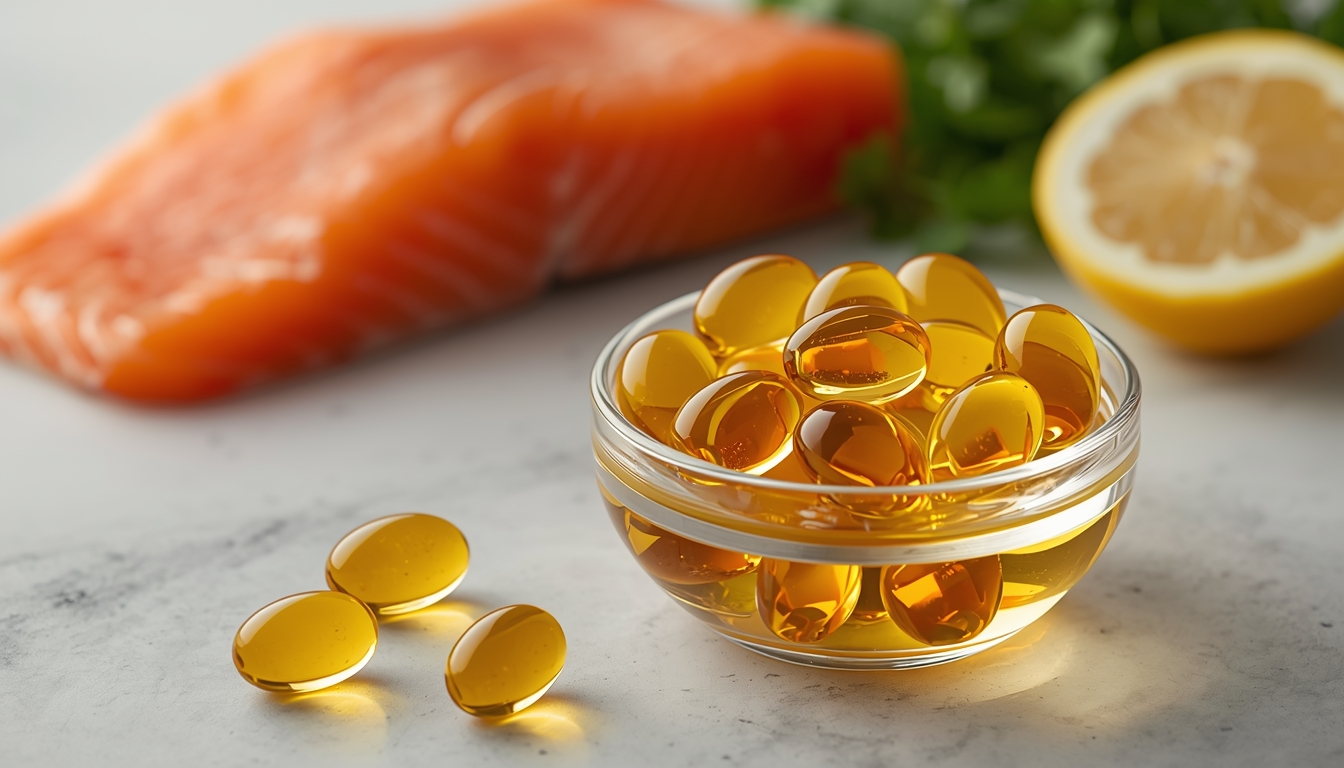
Fish Oil Benefits: What It Does for Men, Women, Your Heart, Brain, and Hormones
Wondering if fish oil is worth the hype? Here's what omega-3s actually do for your heart, brain, testosterone, cholesterol, and stress levels—plus how to choose the right one.
Read article →
Foods That Support Healthy Ovulation: What to Eat for Hormone Balance and Regular Cycles
Struggling with irregular ovulation or anovulatory cycles? Here's what to eat to support hormone balance, improve egg quality, and get your cycle back on track naturally.
Read article →
Best Way to Eat Eggs: Boiled, Fried, Omelet, or Raw? How Cooking Method Changes Nutrition
Boiled, half-boiled, omelet, or fried? Here's how different cooking methods affect protein absorption, nutrition, and safety plus who should eat eggs and who should avoid them.
Read article →
Easy Stress Relief at Home: Simple Things That Actually Calm Your Mind
No complicated routines or expensive gadgets. Here are simple ways to relieve stress at home using music, meditation, crafts, and small shifts in how you think.
Read article →
Natural Cough Remedies: What Actually Works for Nighttime Cough, Sore Throat, and Chest Congestion
That tickle in your throat keeping you awake? Here are natural cough remedies that work, from ginger at night to hot water with honey, plus when to reach for a trusted syrup.
Read article →
Antibiotics: What They Treat, How They Work, and Why You Need to Take Them Correctly
Wondering if you need antibiotics for that cough or sore throat? Here's what antibiotics actually treat, how they work, common types, and why finishing the full prescription matters.
Read article →
Diet Plan for Women: Simple Food Guidelines That Work With Your Body, Not Against It
Tired of diets that ignore your hormones, your cycle, and your real life? Here's a sustainable eating plan for women that actually works with your body's natural rhythms.
Read article →
How to Stay Hydrated in Hot Weather: A Guide for Kids, Adults, and Pregnant Women
Summer heat is coming. Here's how much water everyone in your family needs from kids to pregnant women and simple tips to keep everyone hydrated when temperatures rise.
Read article →
El Niño Is Coming: How to Stay Safe, Hydrated, and Healthy in the Months Ahead
El Niño is bringing extreme heat and unpredictable weather. Here's what it means for your health, how much water you need, and simple ways to protect your family.
Read article →What Is BMI? Simple Guide to Body Mass Index
Learn what BMI means, how to calculate it, and what your BMI number says about your health.
Read article →How to Lower BMI: 7 Simple Steps That Actually Work
Trying to lower your BMI? Here's what works - no crash diets, no gimmicks. Simple steps, real examples, and tools to track your progress.
Read article →What Is BMR? Simple Guide to Your Metabolism
Learn what BMR means, why it matters for weight, and how to calculate yours.
Read article →Ideal Weight for Your Height: Simple Formulas
Find your healthy weight range based on height. Simple formulas and practical tips.
Read article →BMI vs Body Fat: Which One Actually Matters More?
BMI says one thing. Body fat says another. Here's how to know which number to trust for your health.
Read article →BMI Calculator Limitations: 10 Factors Not Considered
BMI doesn't tell the full story. Learn what factors your BMI calculator ignores and what measurements are more accurate for health assessment.
Read article →Why Water Intake Is Important: 7 Reasons Your Body Needs It
Water does more than just quench your thirst. Here's why drinking enough matters for energy, weight loss, skin, and overall health.
Read article →Superfoods for Heart Health: 10 Foods Cardiologists Actually Eat
Want a healthier heart? Here are 10 superfoods cardiologists swear by. Simple, delicious, and backed by science - plus tools to track your progress.
Read article →Weight Loss for Women at Home: 7 Things That Actually Work
Trying to lose weight at home? Here's what works for real women - no gym required. Simple steps, honest advice, and tools to track your progress.
Read article →Healthy Weight for Women in Their 30s: What Actually Works
Wondering what a healthy weight looks like for women in their 30s? Here's what changes after 30 and how to find your ideal weight range.
Read article →Healthy BMI for Women by Age: What's Normal in Your 20s, 30s, 40s, 50s and Beyond
Wondering what a healthy BMI looks like for women at different ages? Here's exactly how your ideal weight range changes from your 20s through your 70s and beyond.
Read article →Morning Routine for Weight Loss: 7 Simple Habits That Actually Work
Want to lose weight without crazy diets? Here's exactly what to do in the first hour after waking up to boost metabolism, burn fat, and feel great all day.
Read article →How to Increase Fertility Naturally: 11 Science-Backed Ways to Boost Your Chances of Getting Pregnant
Wondering how to boost your fertility naturally? From the best foods to eat for ovulation to lifestyle changes that actually work, here's what you need to know.
Read article →How Much Water Should You Drink During Pregnancy? A Complete Guide for Every Trimester
Wondering how much water you really need while pregnant? From first trimester nausea to third trimester swelling, here's exactly how to stay hydrated for you and baby.
Read article →Heart Disease Symptoms, Causes, and the New Treatments Changing Everything (Including AI)
Chest pain? Shortness of breath? Here's what your symptoms mean, plus the latest breakthroughs in heart care—from AI that predicts heart attacks to new meds and high-tech sensors.
Read article →Heart Attacks in Young People: Why It's Happening and What You Can Do About It
Young men and women in their 20s, 30s, and 40s are having heart attacks at alarming rates. Here's why lifestyle, stress, and food choices are to blame—and how to protect yourself.
Read article →Waist-to-Height Ratio: The Simple Number That Tells You More Than BMI
Forget complicated health metrics. Your waist-to-height ratio takes two seconds to measure and might predict your health risks better than BMI. Here's how to do it.
Read article →Healthy Sleep Habits: How to Fall Asleep Faster, Stay Asleep Longer, and Wake Up Refreshed
Struggling to fall asleep or wake up tired? Here's exactly how to fix your sleep schedule, create the perfect bedtime routine, and finally get the rest your body needs.
Read article →How Much Can You REALLY Lift? Here's How to Find Out Without Crashing
Everyone at the gym wonders how much they could bench if they went all out. But going for a true max is risky. Here's the smarter way to find your real strength.
Read article →You're Eating WAY More Sugar Than You Think: Here's Where It's Hiding
That 'healthy' yogurt has more sugar than a donut. Your morning coffee is basically dessert. Here's how to find the hidden sugar in everyday foods and how much is actually okay.
Read article →Health Calculators That Could Help in an Emergency: What to Know Before You Need It
When minutes matter, having the right information about your body can make all the difference. Here's how simple health calculators can help in unexpected situations.
Read article →First Trimester Survival Guide: What No One Tells You About Weeks 1-12
From the exhaustion that hits like a truck to the weird food aversions nobody warned you about. Here's what actually happens in the first trimester and how to survive it.
Read article →What Is Leucovorin? Why Everyone's Talking About This Drug and Autism
Leucovorin is all over social media right now. Parents are sharing stories, and the FDA just made a major announcement. Here's what you need to know about this medication and its connection to autism.
Read article →Understanding Autism Spectrum Disorder: Signs, Support, and What Every Parent Should Know
Worried about your child's development? Here's what autism spectrum disorder really means, early signs to watch for, how diagnosis works, and where to find support.
Read article →How to Reduce Stress: Simple Ways to Calm Your Mind and Protect Your Health
Feeling overwhelmed, anxious, or just burned out? Here's why stress is so hard on your body, how it affects your heart and brain, and what actually works to calm down in real life.
Read article →What to Eat After Cancer: A Survivor's Guide to Food, Healing, and Moving Forward
Worried about what to eat after a cancer diagnosis? Here's a practical guide to healthy foods, what to avoid, nourishing drinks, and simple habits that help survivors feel stronger every day.
Read article →How to Increase Testosterone Naturally: Foods, Workouts, and Lifestyle Changes That Actually Work
Low energy? Struggling in the gym? Here's how to boost your testosterone naturally with simple food swaps, effective workouts, and daily habits that make a real difference.
Read article →Fish Oil Benefits: What It Does for Men, Women, Your Heart, Brain, and Hormones
Wondering if fish oil is worth the hype? Here's what omega-3s actually do for your heart, brain, testosterone, cholesterol, and stress levels—plus how to choose the right one.
Read article →Foods That Support Healthy Ovulation: What to Eat for Hormone Balance and Regular Cycles
Struggling with irregular ovulation or anovulatory cycles? Here's what to eat to support hormone balance, improve egg quality, and get your cycle back on track naturally.
Read article →Best Way to Eat Eggs: Boiled, Fried, Omelet, or Raw? How Cooking Method Changes Nutrition
Boiled, half-boiled, omelet, or fried? Here's how different cooking methods affect protein absorption, nutrition, and safety plus who should eat eggs and who should avoid them.
Read article →Easy Stress Relief at Home: Simple Things That Actually Calm Your Mind
No complicated routines or expensive gadgets. Here are simple ways to relieve stress at home using music, meditation, crafts, and small shifts in how you think.
Read article →Natural Cough Remedies: What Actually Works for Nighttime Cough, Sore Throat, and Chest Congestion
That tickle in your throat keeping you awake? Here are natural cough remedies that work, from ginger at night to hot water with honey, plus when to reach for a trusted syrup.
Read article →Antibiotics: What They Treat, How They Work, and Why You Need to Take Them Correctly
Wondering if you need antibiotics for that cough or sore throat? Here's what antibiotics actually treat, how they work, common types, and why finishing the full prescription matters.
Read article →Diet Plan for Women: Simple Food Guidelines That Work With Your Body, Not Against It
Tired of diets that ignore your hormones, your cycle, and your real life? Here's a sustainable eating plan for women that actually works with your body's natural rhythms.
Read article →How to Stay Hydrated in Hot Weather: A Guide for Kids, Adults, and Pregnant Women
Summer heat is coming. Here's how much water everyone in your family needs from kids to pregnant women and simple tips to keep everyone hydrated when temperatures rise.
Read article →El Niño Is Coming: How to Stay Safe, Hydrated, and Healthy in the Months Ahead
El Niño is bringing extreme heat and unpredictable weather. Here's what it means for your health, how much water you need, and simple ways to protect your family.
Read article →Learn More About Cardiovascular Fitness
Important Medical Disclaimer
This calculator provides estimates for educational purposes. VO₂max values are estimates based on submaximal testing formulas. If you have known heart disease, respiratory conditions, or are over 45 with risk factors, consult your physician before performing maximal effort fitness tests.
Stop exercise immediately and seek medical attention if you experience chest pain, severe shortness of breath, dizziness, or irregular heartbeat during testing.
Explore All Health Calculators
From BMI to heart rate, we've got every calculator you need for your health journey.
Heart & Fitness
Complete Guide to VO₂max: Understanding, Measuring & Improving Your Cardiovascular Fitness
What is VO₂max? The Gold Standard of Cardiovascular Fitness
VO₂max (maximal oxygen uptake) is the maximum rate at which your body can consume oxygen during intense, whole-body exercise. It represents the pinnacle of your cardiorespiratory fitness and is widely recognized by physiologists, cardiologists, and sports scientists as the single best indicator of aerobic endurance and cardiovascular health.
The Science Behind VO₂max
VO₂max is determined by three key factors: your heart's ability to pump blood (cardiac output), your blood's oxygen-carrying capacity (hemoglobin), and your muscles' ability to extract and use oxygen (mitochondrial density). The Fick equation describes this relationship: VO₂ = Cardiac Output × (Arterial O₂ - Venous O₂).
Units of Measurement
VO₂max is typically expressed in milliliters of oxygen per kilogram of body weight per minute (mL/kg/min). This allows fair comparison between individuals of different sizes. Absolute VO₂max (L/min) is also used, particularly for sports where body weight is supported (cycling, rowing).
Why VO₂max Matters: The Strongest Predictor of Longevity
Cardiovascular Mortality
Each 1-MET (3.5 mL/kg/min) increase in VO₂max is associated with a 10-25% reduction in cardiovascular mortality. This protective effect is stronger than smoking cessation, blood pressure control, or cholesterol management.
Cognitive Health
Higher VO₂max is associated with better cognitive function, larger hippocampal volume, and reduced risk of dementia. Each metabolic equivalent increase in fitness delays cognitive aging by 2-3 years.
Metabolic Health
VO₂max is inversely related to insulin resistance, type 2 diabetes risk, and metabolic syndrome. Improving fitness by 10% reduces diabetes risk by 15-20%.
All-Cause Mortality
Low cardiorespiratory fitness accounts for more deaths than any other risk factor. The most unfit individuals have a 4-5 times higher mortality risk than the fittest.
VO₂max Norms by Age and Gender (ACSM Guidelines)
| Age | Gender | Excellent | Good | Fair | Poor | Very Poor |
|---|---|---|---|---|---|---|
| 20-29 | Male | ≥55 | 47-54 | 42-46 | 37-41 | ≤36 |
| 20-29 | Female | ≥49 | 43-48 | 39-42 | 34-38 | ≤33 |
| 30-39 | Male | ≥52 | 45-51 | 41-44 | 35-40 | ≤34 |
| 30-39 | Female | ≥45 | 39-44 | 35-38 | 31-34 | ≤30 |
| 40-49 | Male | ≥49 | 42-48 | 38-41 | 32-37 | ≤31 |
| 40-49 | Female | ≥41 | 36-40 | 32-35 | 28-31 | ≤27 |
| 50-59 | Male | ≥45 | 39-44 | 35-38 | 30-34 | ≤29 |
| 50-59 | Female | ≥37 | 33-36 | 29-32 | 25-28 | ≤24 |
| 60-69 | Male | ≥41 | 36-40 | 32-35 | 28-31 | ≤27 |
| 60-69 | Female | ≥33 | 29-32 | 25-28 | 22-24 | ≤21 |
| 70+ | Male | ≥37 | 33-36 | 29-32 | 25-28 | ≤24 |
| 70+ | Female | ≥29 | 25-28 | 22-24 | 19-21 | ≤18 |
Values in mL/kg/min. Source: American College of Sports Medicine (ACSM) Guidelines
Elite Athlete VO₂max Values by Sport
Cross-Country Skiing
84-94
Male elite • Female: 71-76
Distance Running
75-85
Male elite • Female: 65-75
Cycling
70-80
Male elite • Female: 60-70
Swimming
65-75
Male elite • Female: 55-65
Rowing
68-78
Male elite • Female: 58-68
Soccer
60-72
Male elite • Female: 50-62
25+ Factors That Influence Your VO₂max
Genetics
- Heritability40-50%
- ACE gene polymorphism↑↓ 5-10%
- Mitochondrial DNAVariable
Age
- Decline per decade↓ 8-10%
- Active vs sedentary50% slower decline
Training
- Beginner gains↑ 15-30%
- Elite gains↑ 2-5%
Gender
- Female vs male15-30% lower
- Hemoglobin differencePrimary factor
Altitude
- At 2,500m↓ 15-20%
- At 4,000m↓ 30-35%
Body Composition
- Each 5% body fat↓ 3-5%
- Lean massPositive correlation
Evidence-Based Strategies to Improve VO₂max
Zone 2 Training (80% of volume)
60-70% HRmax • 30-60 minutes • 3-4x/week
Builds mitochondrial density, capillary networks, and oxidative enzymes. The foundation of all endurance training. Improves VO₂max by 10-20% in 3-6 months for beginners.
High-Intensity Interval Training (HIIT)
90-95% HRmax • 4×4 min • 2x/week
Norwegian 4×4 protocol: 4 minutes at 90-95% HRmax, 3 minutes active recovery. Most effective for rapid VO₂max gains. Improves by 5-15% in 8 weeks.
Sprint Interval Training (SIT)
All-out efforts • 30 sec • 1x/week
Wingate-based: 30-second all-out sprints, 4 minutes recovery. Time-efficient but demanding. Similar improvements to longer HIIT in less time.
The Polarized Training Model: Elite endurance athletes spend ~80% of training time in Zone 1-2, 10-15% in Zone 3-4 (threshold), and 5-10% in Zone 5 (HIIT). This approach maximizes gains while minimizing injury and burnout.
VO₂max Testing Methods: From Lab to Field
| Test Method | Accuracy | Equipment | Time | Best For |
|---|---|---|---|---|
| Metabolic Cart (Gold Standard) | 98-99% | Breath-by-breath analyzer | 15-20 min | Research, elite athletes, clinical |
| Cooper 12-Minute Run Test | 90-95% | Track, stopwatch | 12 min | Runners, field testing |
| Rockport 1-Mile Walk Test | 85-90% | Heart rate monitor, stopwatch | 15-20 min | Beginners, seniors, obese |
| Astrand-Ryhming Cycle Test | 85-90% | Cycle ergometer, HR monitor | 6-8 min | Lab settings, non-impact |
| 1.5-Mile Run Test | 80-85% | Stopwatch | 10-20 min | Military, fitness assessments |
| Non-Exercise (Jackson et al.) | 75-80% | None | 1 min | Quick estimates, population studies |
VO₂max and Fitness Age: Are You Younger Than Your Years?
Fitness Age compares your VO₂max to normative data for your gender. If your fitness age is lower than your chronological age, you're biologically younger than your years. This is one of the most motivating metrics in exercise physiology.
Frequently Asked Questions About VO₂max
Can I increase my VO₂max at any age?
Yes! While aging naturally reduces VO₂max by about 1% per year, research shows that individuals in their 60s and 70s can achieve 15-25% improvements with appropriate training. Even 80-year-olds can increase VO₂max by 10-15% with supervised exercise programs.
What's a good VO₂max for my age?
For men aged 30-39, "good" is 45-51 mL/kg/min; for women, 39-44 mL/kg/min. "Excellent" is ≥52 for men and ≥45 for women. See the complete table above for all age groups.
How long does it take to improve VO₂max?
Beginners see measurable improvements in 4-6 weeks (5-10%). Optimal gains require 3-6 months of consistent training (15-30%). Elite athletes may need years to reach their genetic potential.
Does weight loss increase VO₂max?
Weight loss increases relative VO₂max (mL/kg/min) even without fitness improvements, simply because you're carrying less mass. Each 5% body weight loss can increase relative VO₂max by 3-5%. Combined with exercise, effects are additive.
Is VO₂max genetic?
Genetics determine about 40-50% of your VO₂max potential (trainability). However, lifestyle factors account for the other 50-60%. Even with "unfavorable" genetics, most people can achieve "good" or "excellent" fitness through consistent training.
What's the relationship between VO₂max and longevity?
The relationship is dose-dependent and linear: higher fitness equals lower mortality. The biggest gains come from moving from "poor" to "fair" fitness. Each 1-MET improvement reduces mortality by 10-25%. The fittest individuals have 50-70% lower mortality than the least fit.
Ready to Estimate Your VO₂max?
Use our evidence-based VO₂max calculator above. Choose from 5 validated methods, get your fitness age, and receive personalized training recommendations based on your results.
Free, no email required, instant results. Based on ACSM guidelines. Used by 10,000+ fitness enthusiasts monthly.