Ideal Weight for Your Height: Simple Formulas
Ideal Weight for Your Height: Finding Your Healthy Sweet Spot
I remember staring at the chart on my doctor's office wall - the one with all those height and weight numbers. At 5'7" (170 cm), it said I should weigh between 121 and 149 pounds. I was 152. "You need to lose a few pounds," the doctor said casually. But here's what he didn't ask: Did I feel healthy? Did I have energy? Could I keep up with my kids?
That moment started my obsession with finding what "ideal weight" really means. And after years of research, trial and error, and conversations with nutritionists and trainers, I've learned something important: Your ideal weight isn't a single number. It's a range where your body functions best, feels strongest, and gives you energy for life.
Let me share what I wish someone had told me that day in the doctor's office.
The Simple Formulas (That Actually Work)
First, let's get this straight: There's no one-size-fits-all perfect weight. But there are helpful starting points. My trainer, Maria, gave me these formulas she uses with clients:
The Basic Starting Point: Ideal weight (kg) = Height (cm) - 100
So for me at 170 cm: 170 - 100 = 70 kg (about 154 pounds)
But Here's the Nuance (Maria's secret sauce):
For men: (Height in cm - 100) × 0.9
For women: (Height in cm - 100) × 0.85
For me as a woman: (170 - 100) × 0.85 = 59.5 kg (about 131 pounds)
When I saw that number, I panicked. "That's 20 pounds less than I am!" I told Maria. She laughed. "It's a starting point, not a command. Let's talk about YOU."
What These Ranges Really Mean
Maria drew me a simple chart that changed everything:
For women:
- 150 cm (4'11"): 42-56 kg range
- 160 cm (5'3"): 48-64 kg range
- 170 cm (5'7"): 54-72 kg range (aha! I was in range!)
- 180 cm (5'11"): 61-81 kg range
- 190 cm (6'3"): 68-90 kg range
For men (adding 10-15%):
- 170 cm (5'7"): 59-79 kg range
- 180 cm (5'11"): 67-89 kg range
- 190 cm (6'3"): 76-100 kg range
The lightbulb moment? I was already in my healthy range. The chart at the doctor's office was outdated, one-size-fits-all nonsense.
What REALLY Affects Your Ideal Weight (The Doctor Forgot to Mention)
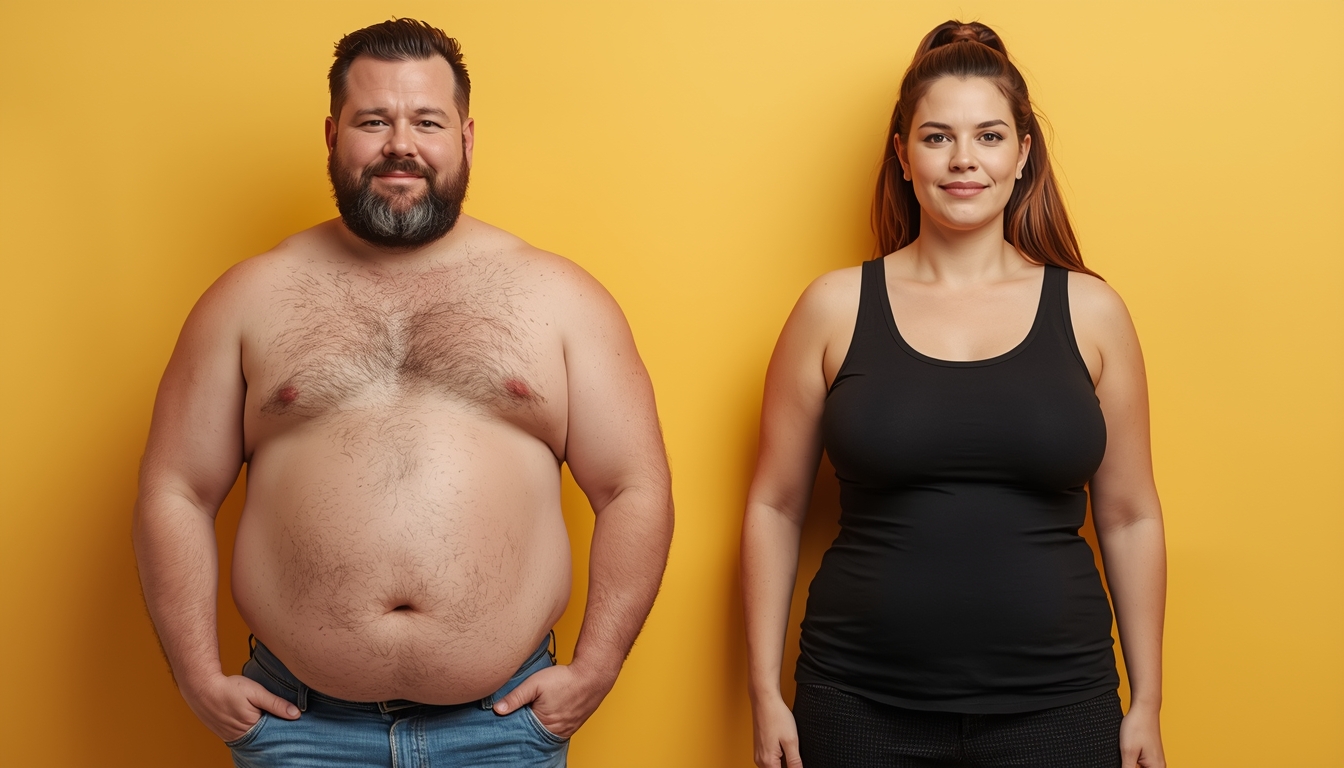
Here's where things get interesting. My friend Sarah and I are both 5'7". She's 145 pounds, I'm 152. But she's a runner with less muscle, and I lift weights three times a week.
The factors that actually matter:
-
Your Bone Structure: I have what my grandma called "good childbearing hips" - translation: wider frame. Sarah has a petite frame. Our healthy weights are different, and that's okay.
-
Muscle vs. Fat: When I started strength training, I actually gained 5 pounds. But my jeans fit better, and I had more energy. Muscle is denser than fat - it takes up less space but weighs more.
-
Age Reality Check: At 25, my ideal weight was different than at 40. A little more weight as we age can be protective. My nutritionist said, "Your 40-year-old body shouldn't try to fit into your 25-year-old jeans."
-
Your Activity Level: My neighbor Mark is a construction worker. He weighs more than "charts" say he should, but it's all functional muscle from his job.
-
Your Genetics: Some of us are just built differently. I come from sturdy German stock - we're not delicate flowers.
Better Measurements Than the Scale
Here's what I track now instead of obsessing over pounds:
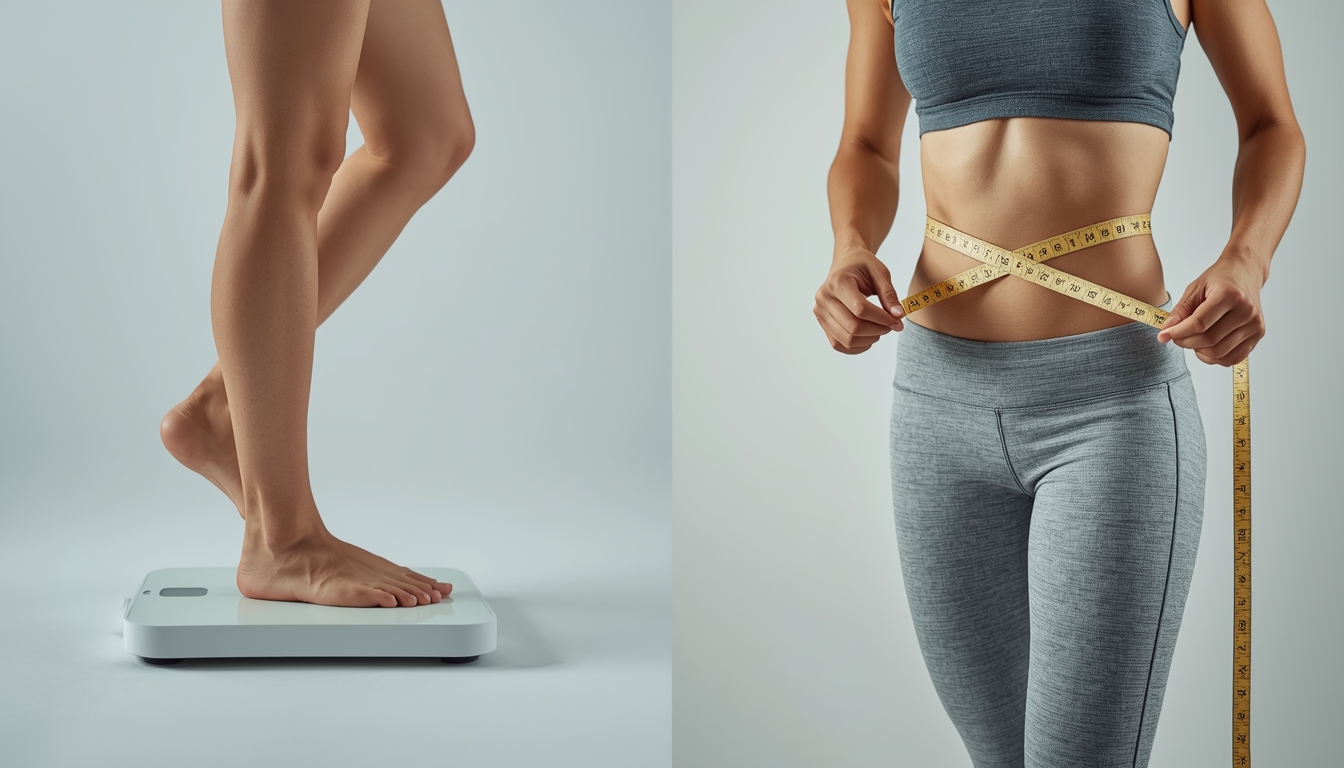
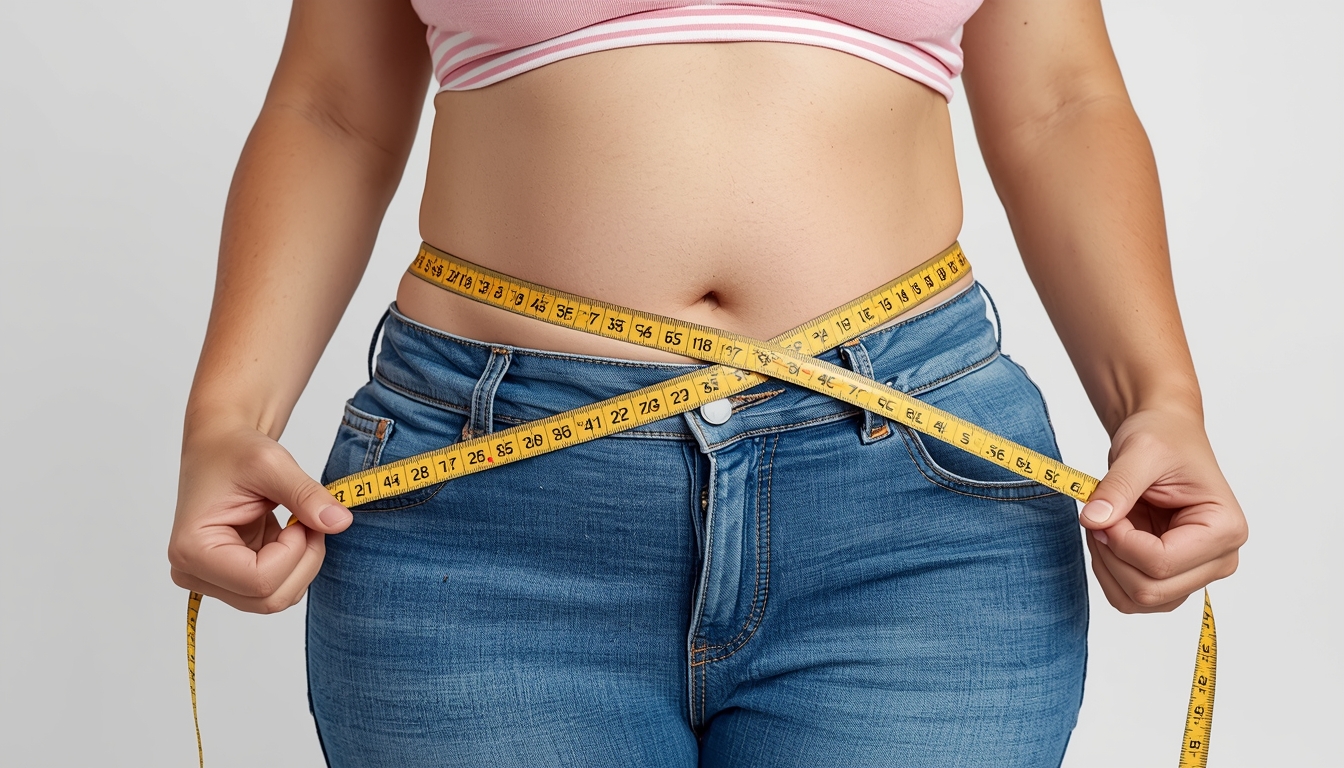
1. The Waist-to-Height Ratio (The REAL test): Maria taught me this: Your waist should be less than half your height.
- My height: 67 inches
- Half that: 33.5 inches
- My waist: 31 inches ✅ I passed!
2. How I Feel (The most important metric):
- Do I have energy throughout the day?
- Can I play with my kids without getting winded?
- Do I sleep well?
- How's my mood and mental clarity?
3. How My Clothes Fit: I have a pair of "truth jeans" - not skinny jeans, just regular jeans that fit well when I'm at my healthy range.
4. Health Numbers (From actual tests):
- Blood pressure (mine's 118/76 - great!)
- Blood sugar (fasting glucose)
- Cholesterol profile
- Inflammation markers
How to Find YOUR Healthy Weight (Step by Step)
Step 1: Stop Comparing My sister is 5'9" and 130 pounds. I used to compare myself to her until I realized: she's built like our mom's side (tall and slender), I'm built like our dad's side (athletic and sturdy).
Step 2: Use Our Ideal Weight Calculator This was my game-changer. Instead of a single number, it gives you:
- A healthy range based on your specifics
- Adjustments for age and activity level
- Different formulas compared side-by-side
- A "comfort zone" range (where you feel your best)
Step 3: Check Your BMI But don't stop there! BMI is a starting point. I use it alongside:
- Our Body Fat Calculator (tells me if weight is muscle or fat)
- Our Advanced BMI Calculator (considers age and gender)
Step 4: Listen to Your Body When I'm at my healthiest weight:
- I wake up rested
- I don't get afternoon energy crashes
- My digestion is regular
- My skin looks good
- I have steady energy for workouts
What Worked For Me (Real Changes That Made a Difference)
1. I Stopped Dieting and Started Nourishing: Instead of: "I can't eat that" I say: "What nutrients does my body need today?"
2. I Focused on Strength, Not Thinness: My goal shifted from "weigh less" to "be stronger." Funny thing - when I got stronger, my body found its natural weight.
3. I Tracked More Than Weight: Using our TDEE Calculator, I learned how many calories I actually need. Using our BMR Calculator, I understood my baseline metabolism.
4. I Gave It Time: Healthy changes show up in months, not weeks. I check progress monthly, not daily.
The Muscle vs. Fat Reality Check
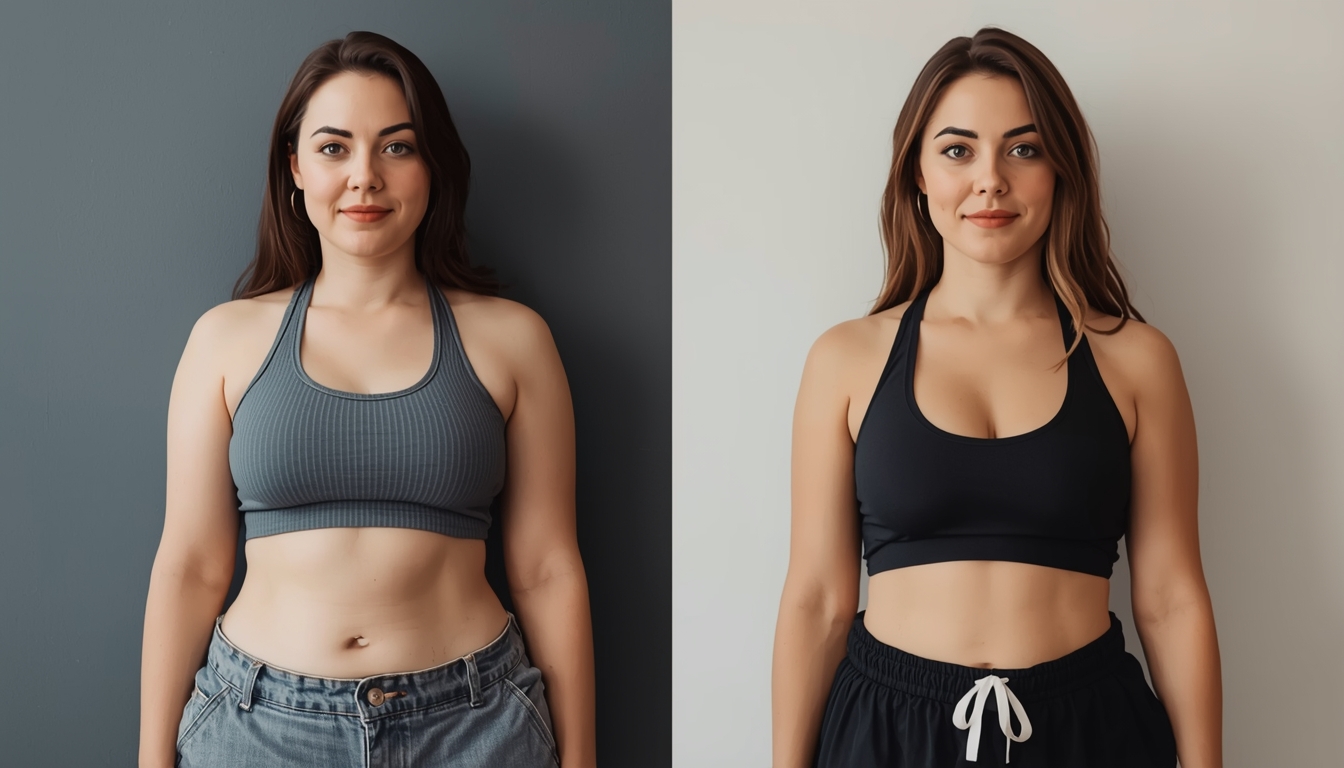
Last year, I did an experiment. I worked with a trainer for 3 months, focusing on building muscle. The scale went UP 4 pounds. But:
- I lost 2 inches off my waist
- My body fat percentage dropped 3%
- My strength doubled
- I had to buy smaller jeans
The scale lied. My body composition told the truth.
Common Traps I Fell Into (So You Don't Have To)
The Comparison Trap: "She's my height and weighs less!" Yeah, and she might have different genetics, lifestyle, and goals.
The Daily Weigh-In Obsession: Water weight can fluctuate 5 pounds daily. I now weigh once a week, same time, same conditions.
The "Before" Photo Problem: Comparing myself to my 25-year-old body was unfair to my 40-year-old self.
The Magazine Standard: Those fitness models? They're often dehydrated, photoshopped, and their job is to look that way 24/7.
Your Action Plan Starting Today
Week 1: Information Gathering
- Use our Ideal Weight Calculator - Get your personalized range
- Check your BMI - Understand where you fall
- Measure your waist - Is it less than half your height?
Week 2-4: Observation
- Track how you feel (energy, sleep, mood)
- Notice hunger and fullness cues
- Move in ways you enjoy
- Eat mostly whole foods
Month 2-3: Gentle Adjustment
- Pick one small change (more veggies, daily walk, etc.)
- Check progress with our tools monthly
- Adjust based on how you FEEL, not just numbers
When You're Already in Your Healthy Range
My friend Lisa was at her "ideal weight" but unhappy with how she looked. Here's what we figured out together:
If you want to "tone up":
- Keep weight steady
- Increase strength training
- Focus on protein intake
- Use our Body Fat Calculator to track composition changes
If you want more energy:
- Check your nutrition with our Nutrition Calculator
- Ensure you're eating enough (undereating kills energy)
- Focus on sleep and stress management
If you want better performance:
- Use our TDEE Calculator to ensure you're eating enough for your activity level
- Track your progress in our app
- Celebrate non-scale victories (stronger, faster, more endurance)
The Tools That Actually Helped Me
1. Our Complete Health Dashboard: I don't use tools in isolation anymore. Here's my routine:
- Monday: Check BMI and Ideal Weight ranges
- Monthly: Input measurements into our tracker
- Quarterly: Review progress with all tools together
2. The Progress Photos (My Reality Check): I take photos monthly - same lighting, same clothes. The visual tells a different story than the scale.
3. The "How I Feel" Journal: I track: Energy (1-10), Sleep quality, Digestion, Mood. This matters more than any number.
Your Next Step (It's Simpler Than You Think)
Here's what I want you to do right now:
- Click our Ideal Weight Calculator - It takes 60 seconds
- Get your personalized range - Not a single number, but a healthy zone
- Save your results - Bookmark them
- Pick ONE thing from this article to try this week
When I first got my range from our calculator, I cried. Not because I was sad, but because for the first time, I saw a range that made sense for MY body. Not a magazine body. Not my sister's body. MY body.
The Most Important Thing I Learned
Your ideal weight isn't where you look best in photos. It's where you:
- Have energy for your life
- Sleep well
- Feel strong
- Enjoy food without guilt
- Can maintain healthy habits without obsession
That weight might be higher than charts say. It might be lower. But it's YOURS.
My doctor now asks new questions: "How are you sleeping? How's your energy? How do you feel?" The number on the scale is just one data point in a much richer story.
Start writing your story today. Your body has been waiting for you to listen.