What to Eat After Cancer: A Survivor's Guide to Food, Healing, and Moving Forward
What to Eat After Cancer: A Survivor's Guide to Food, Healing, and Moving Forward
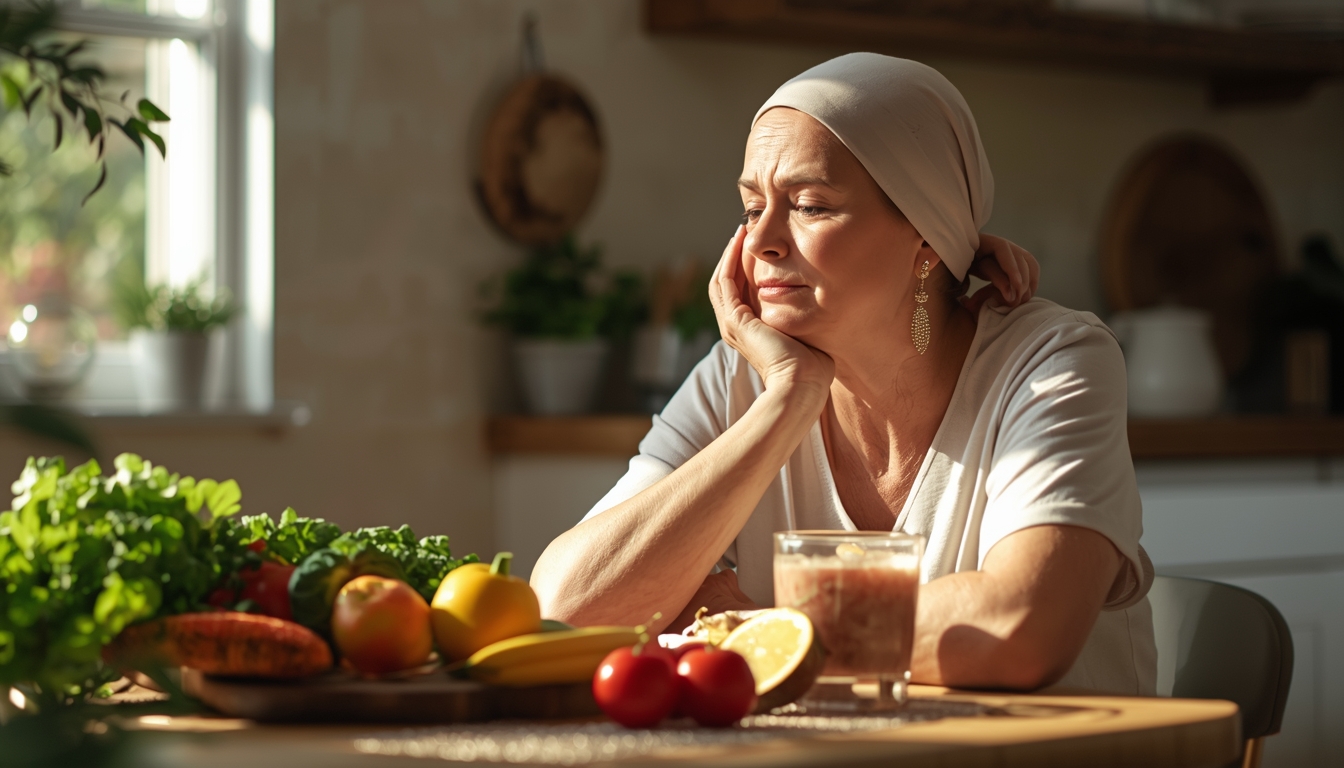
My aunt called me two weeks after finishing her last round of chemo. "Everyone keeps bringing me casseroles and telling me to eat, but nobody tells me WHAT to eat. I want to do this right. I want to give my body the best chance."
She's not alone. Every cancer survivor I know has asked the same question at some point: "What should I actually be eating now?"
The good news? You don't need a complicated diet or a list of forbidden foods. You need simple, practical guidance that fits your life and helps your body heal.
Let me walk you through what actually helps cancer survivors feel stronger, what to avoid, and how to make healthy eating feel doable not overwhelming.
First, Why Nutrition Matters After Cancer
Your body has been through a lot. Surgery, chemo, radiation, immunotherapy—whatever your treatment looked like, your body is in recovery mode. Food is the fuel that powers that recovery.
Good nutrition after cancer helps:
- Rebuild healthy cells and tissues
- Manage treatment side effects
- Keep your immune system strong
- Maintain energy levels
- Support a healthy weight
- Lower inflammation in your body
A study found that eating well could lower the risk of breast cancer coming back by as much as 41% . That's not magic, that's your body getting what it needs to stay healthy.
But here's the thing: no single food or diet has been proven to cure cancer or prevent it from coming back. What works is an overall pattern of healthy eating that you can stick with long-term.
The Plant-Based Plate: What Most Survivors Need
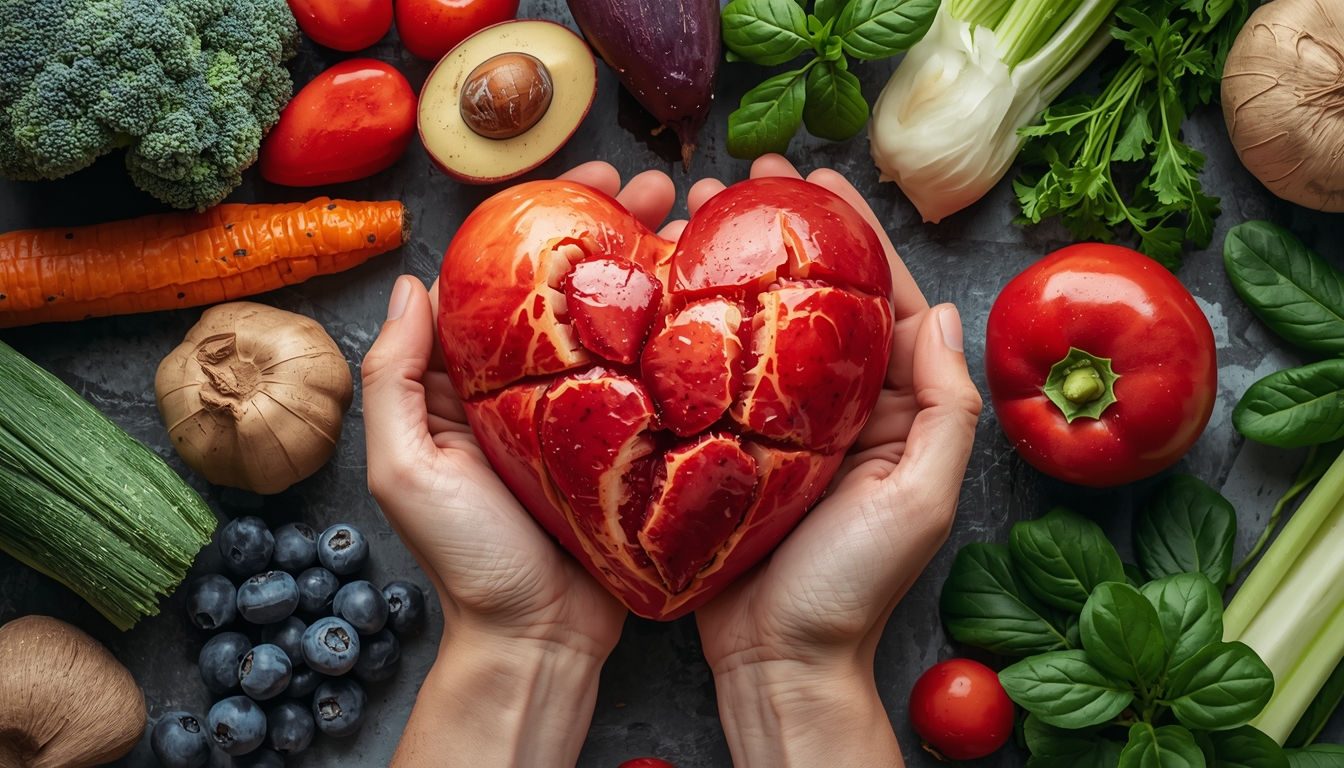
You don't have to go vegetarian or vegan. But experts recommend filling most of your plate with plant foods for good reason.
The "New American Plate" rule: Fill two-thirds of your plate with plant-based foods at each meal. The remaining third can be animal-based proteins like fish, chicken, or lean meat .
Fruits and Veggies: Eat the Rainbow
Different colored fruits and vegetables provide different nutrients and antioxidants. Think of it as eating the rainbow:
- Red: Tomatoes, watermelon, red peppers (lycopene)
- Orange/yellow: Carrots, sweet potatoes, oranges, mangoes (beta-carotene, vitamin C)
- Green: Spinach, kale, broccoli, Brussels sprouts (folate, fiber, carotenoids)
- Blue/purple: Blueberries, blackberries, eggplant (anthocyanins)
- White: Cauliflower, garlic, onions (allicin, quercetin)
A clinical oncology dietitian explains: "Fruits, vegetables, and plant-based protein can help lower total body inflammation and can help protect against oxidative damage to our cells" .
Cruciferous vegetables deserve special mention: broccoli, cauliflower, cabbage, kale, Brussels sprouts. They contain compounds that may help protect against cancer.
Berries and citrus fruits are also powerhouses. "Berries have high amounts of antioxidants and can be great for your overall health," says another dietitian . And citrus fruits help reduce inflammation generally.
Whole Grains: More Than Just Carbs
Whole grains keep the fiber and nutrients that get stripped out of refined grains. Good options include:
- Whole wheat bread and pasta
- Brown rice
- Oats
- Barley
- Quinoa
- Millet
Fiber is especially important for cancer survivors. It helps with weight management, supports healthy gut bacteria, regulates blood sugar, and may even help lower estrogen levels . The American Institute for Cancer Research recommends at least 30 grams of fiber per day .
Beans, Peas, and Lentils
These are fiber and protein powerhouses. They digest slowly, keeping you full longer and preventing overeating. That matters because being overweight can increase the risk of some cancers coming back.
Easy ways to add them: Toss chickpeas on salads, add lentils to soup, make bean-based chili, or try hummus with vegetables.
Protein: Building and Repairing
Your body needs protein to rebuild tissues damaged by treatment. Good sources include:
- Fish and poultry (lean, unprocessed)
- Eggs
- Greek yogurt and cottage cheese
- Beans and lentils
- Tofu and tempeh
What about red meat? You don't have to give it up entirely, but limit it to no more than three servings of 4-6 ounces per week . That means beef, lamb, pork, and goat.
Processed meats like bacon, sausage, hot dogs, and deli meats are a different story. They're linked to increased cancer risk, so the safest bet is to eat very small amounts or skip them entirely .
Fats: The Good, The Bad, and What to Choose
Not all fats are created equal. Some help fight inflammation; others make it worse.
Healthy Unsaturated Fats
These help reduce inflammation and support overall health. Sources include:
- Olive oil
- Avocados
- Nuts and seeds (walnuts, almonds, chia seeds, flaxseed)
- Fatty fish (salmon, mackerel, sardines, tuna)
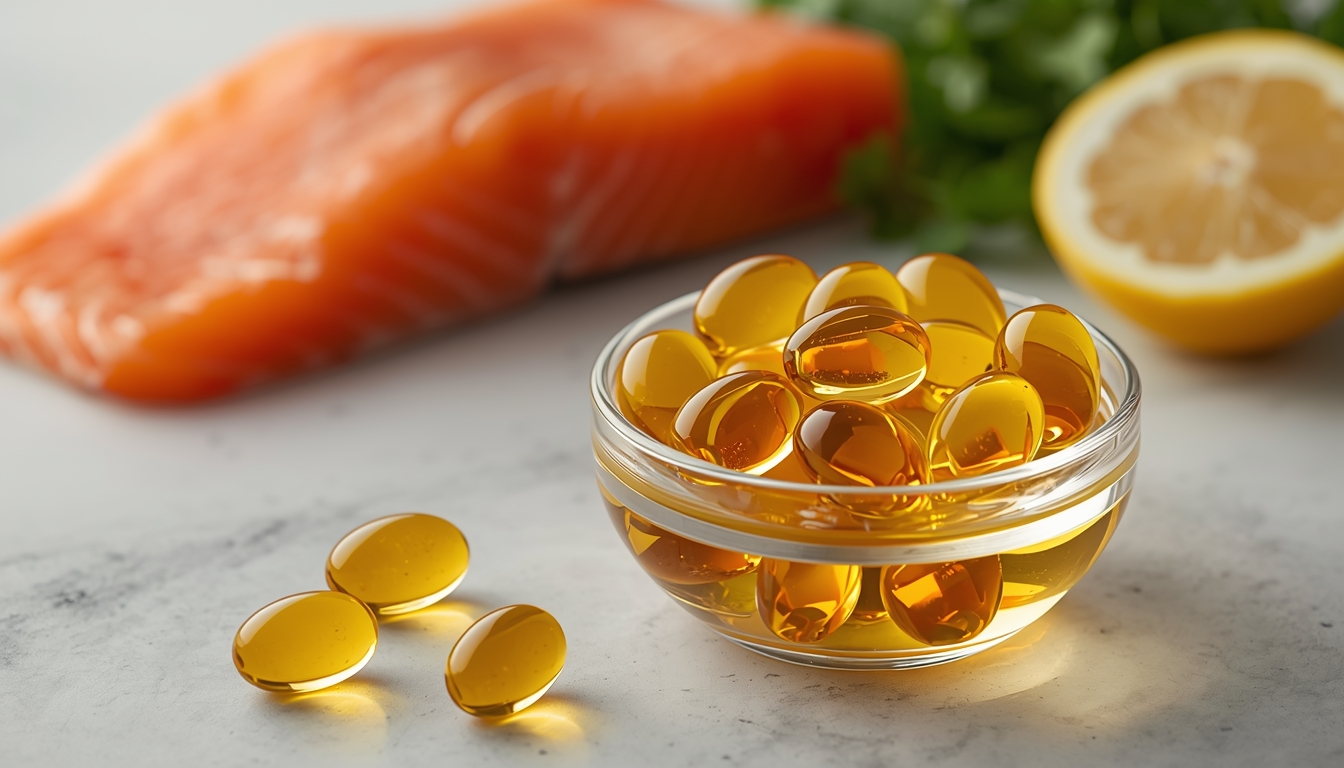
Omega-3 fatty acids deserve special attention. They help reduce inflammation, support heart and joint health, and may lower the risk of cancer recurrence . You can get them from fatty fish, ground flaxseed, chia seeds, and walnuts.
Saturated Fats to Limit
These are fats that stay solid at room temperature—think butter, lard, and the fat in meat and full-fat dairy. They're also in coconut oil and palm oil. Eating high amounts has been linked to breast cancer .
You don't have to avoid them completely, but choose leaner meats, low-fat dairy, and cook with smaller amounts of oil.
What to Avoid or Limit
Ultra-Processed Foods
These are foods with long ingredient lists full of things you don't recognize. Think packaged snacks, sugary cereals, frozen meals with additives, and most things that come in a box with a long shelf life.
"Ultra-processed foods, which include those high in added sugars, salt, and industrial ingredients, have been linked to increased risk of several cancers, including breast cancer," explains one oncologist .
Simple rule: If it has more than 5-10 ingredients, or ingredients you can't pronounce, it's probably ultra-processed.
Added Sugar
The idea that sugar "feeds" cancer is oversimplified. But foods with added sugar tend to be high in calories and low in nutrients, which can lead to weight gain and inflammation.
"One of the easiest ways to cut back is to avoid sugar-sweetened drinks like sodas and energy drinks," suggests one expert . Sweet tea, lemonade, and sweetened coffee drinks also fall into this category.
Alcohol
This one's important. Alcohol raises estrogen levels and can damage DNA, which increases cancer risk. For survivors, the concern is even greater.
"For cancer prevention, it is best to avoid alcohol altogether," says an oncologist . "I make sure patients are aware of the risks so they can make informed decisions."
If you do drink, the American Cancer Society recommends women limit to one drink per day, men to two. But during treatment, it's safest to avoid alcohol entirely as it can worsen mouth sores, interact with medications, and irritate areas treated with radiation .
Simple Carbs and Refined Grains
White bread, white rice, regular pasta, sugary snacks—these digest quickly, spike blood sugar, and don't keep you full. Choose whole grains instead for steady energy and better nutrition.
Healthy Drinks That Help
Staying hydrated is crucial for cancer survivors. Treatment side effects like nausea, diarrhea, and dry mouth can lead to dehydration. Here's what to drink:
Water First
Plain water is always the best choice. If plain water is hard to drink (common during treatment), try:
- Adding lemon, lime, cucumber, or berries
- Drinking it cold or at room temperature to see what works
- Using a straw
- Trying sparkling water
Most adults need around 8-10 cups of fluid daily, but your needs may vary based on treatment side effects .
Smoothies and Protein Drinks
When eating solid food is hard, smoothies are a lifesaver. They pack lots of nutrition into an easy-to-drink form.
Basic smoothie formula:
- Liquid base (milk, yogurt, almond milk, coconut water)
- Protein (Greek yogurt, protein powder, nut butter)
- Fruit (fresh or frozen)
- Extras (spinach, flaxseed, chia seeds)
One survivor shared: "My favorites were pineapple juice and a cucumber green apple juice. It had cucumber, green apple, ginger and celery. I put ginger in all of my drinks" .
Commercial Nutrition Drinks
Sometimes you need extra calories and protein in an easy form. Options like Ensure, Boost, and Kate Farms (plant-based) can help when you're not eating enough.
One survivor discovered protein shakes during a grocery store tour with her doctor: "They have been so tremendously helpful in obviously protein replacement, giving me energy and making me feel full and satisfied" .
Herbal Teas
Certain herbal teas can help with treatment side effects:
- Ginger tea for nausea
- Peppermint tea for digestion
- Chamomile tea for relaxation and sleep
- Green tea for antioxidants (check with your doctor first about any interactions)
Foods That Fight Inflammation
Chronic inflammation is linked to many health problems, including cancer recurrence. An anti-inflammatory diet means:
Eating more:
- Fruits and vegetables
- Whole grains
- Healthy fats (olive oil, avocados, nuts)
- Fatty fish with omega-3s
- Spices like turmeric and ginger
Eating less:
- Red and processed meat
- Sugary foods and drinks
- Refined grains
- Fried foods
- Ultra-processed snacks
The Mediterranean diet is a great example of an anti-inflammatory eating pattern that works for many survivors.
Common Questions Cancer Survivors Ask About Food
Q: I'm so tired I can barely cook. What can I do? A: Stock up on shortcuts. Rotisserie chicken, pre-cut vegetables, frozen veggies, canned beans, and protein shakes can make meals easier. One survivor's trick: "Instead of getting regular pasta, get a protein pasta. It's great for somebody that's not feeling well and easy to prepare" .
Q: What should I eat if I have mouth sores from treatment? A: Stick to bland, soft foods that won't irritate your mouth. Think smoothies, yogurt, scrambled eggs, oatmeal, soups, and protein shakes. Avoid acidic, spicy, or rough foods.
Q: I've lost my appetite and lost weight. Help? A: Focus on calorie-dense foods in small amounts. Nuts, nut butters, avocados, full-fat yogurt, and commercial nutrition drinks can help. Eat whenever you feel like it don't worry about "mealtime" rules.
Q: I gained weight during treatment and can't lose it. What now? A: You're not alone. Many survivors struggle with weight changes. Focus on building healthy habits gradually—more vegetables, more walking, more whole foods. Weight loss takes time, especially after treatment.
Q: Should I take supplements? A: Get nutrients from food first. Supplements can't replace a healthy diet, and some can interfere with treatments. Always talk to your oncologist before starting any supplement.
Q: Can I ever eat "normal" food again? A: Yes! The goal isn't perfection. It's about overall patterns. One survivor's advice: "Be as healthy as you can but have fun with it. It doesn't have to be so strict. When you learn to have fun with it, I think it's easier" .
Simple Meal and Snack Ideas
Breakfast:
- Oatmeal with berries and nuts
- Greek yogurt with fruit and granola
- Scrambled eggs with spinach and whole grain toast
- Smoothie with protein powder, banana, and almond milk
Lunch:
- Salad with lots of veggies, beans, and a simple vinaigrette
- Leftovers from dinner
- Whole grain wrap with hummus, veggies, and chicken
- Soup with a side of whole grain bread
Dinner:
- Baked fish with roasted vegetables and quinoa
- Stir-fry with tofu or chicken and lots of veggies over brown rice
- Bean chili with a side salad
- Lentil soup with whole grain bread
Snacks:
- Apple with peanut butter
- Carrot sticks with hummus
- Handful of almonds and dried fruit
- Yogurt
- Smoothie
- Crackers with cheese
What About Exercise?
Diet and exercise go hand in hand for cancer survivors. Regular physical activity can:
- Reduce fatigue
- Improve mood
- Help with weight management
- Lower risk of recurrence for some cancers
The American Cancer Society recommends 150-300 minutes of moderate activity weekly, or 75-150 minutes of vigorous activity . Start slowly and build up gradually.
One survivor's advice: "You're trying to lose weight—you know in the back of your mind that the number one thing to prevent recurrence of your cancer is to lose weight, because fat cells make estrogen, which fuels the cancer—and the American Cancer Society guidelines say you should exercise 150 minutes or more per week, but you're just not able to do that. You feel like you're being a bad patient, but you're really struggling" .
The key is to start where you are and do what you can.
Other Tools That Can Help
While you're focusing on nutrition and recovery, here are calculators that can help you track your health:
Track Your Weight and BMI: Use our BMI Calculator to know where you stand. Maintaining a healthy weight is important for survivors.
Understand Your Body Composition: Our Body Fat Calculator gives you a fuller picture than weight alone.
Know Your Calorie Needs: Treatment changes your metabolism. Use our BMR Calculator to understand your baseline.
Track Your Activity: Our TDEE Calculator shows how many calories you burn based on your activity level.
Monitor Hydration: Use our Water Intake Calculator to make sure you're drinking enough.
Improve Sleep: Sleep is crucial for healing. Our Sleep Calculator helps you establish healthy bedtime routines.
The Bottom Line
My aunt who finished chemo and wanted to eat right? She started small. Swapped white bread for whole grain. Added an extra vegetable to dinner. Started drinking more water. Walked around the block most days.
Six months later, she has more energy, lost the steroid weight, and feels stronger than she has in years. "It wasn't one big change," she told me. "It was just doing a little better every day."
Here's what I want you to remember:
- No single food will save you or harm you it's your overall pattern that matters
- Focus on plants, whole foods, and lean proteins
- Stay hydrated
- Move your body when you can
- Be kind to yourself perfection isn't the goal
You've already been through so much. Food shouldn't be another source of stress. Let it be fuel, comfort, and a way to care for yourself as you move forward.
Start today: Use our BMI Calculator to know your starting point. Then pick one small change maybe an extra vegetable, a glass of water, or a short walk. Build from there.
Your body has done incredible things. Keep giving it what it needs.
This article is for informational purposes only and isn't medical advice. Always talk to your oncologist or a registered dietitian before making major dietary changes, especially during active treatment.