Back to Home

Diet Plan for Women: Simple Food Guidelines That Work With Your Body, Not Against It

May 12, 2024
Diet Plan for Women: Simple Food Guidelines That Work With Your Body, Not Against It

Diet Plan for Women: Simple Food Guidelines That Work With Your Body, Not Against It

My sister Sarah called me last week, frustrated. She's 41, works full time, has two kids, and has tried every diet under the sun. "I eat less than my husband but I gain weight just looking at a cookie," she said. "What am I doing wrong?"

Nothing. She's not doing anything wrong. She's just trying to follow diet rules that weren't made for women's bodies.

Here's the thing nobody tells you: women's bodies are different. Our hormones cycle monthly. Our metabolisms shift with age. What works for a man or a 20-year-old woman won't work for you at 40.

Let me walk you through a diet plan that actually works for women—at any age.

First, How Women's Bodies Are Different

Before we talk about food, you need to understand why generic diet advice often fails women.

Hormonal cycles matter: Your metabolism, appetite, and cravings change throughout your monthly cycle. A diet that ignores this is fighting against your biology.

Menopause changes everything: As estrogen declines, your body stores fat differently—more around the middle. Your metabolism slows. The eating pattern that worked at 35 won't work at 50.

Stress affects women differently: Chronic stress raises cortisol, which tells your body to hold onto belly fat. Women are more sensitive to this than men.

Muscle matters: Women naturally have less muscle mass than men, which means lower calorie needs. But crash dieting makes this worse by burning muscle, not fat.

The good news: Once you understand how your body works, you can work WITH it, not against it.

Step 1: Know Where You're Starting

You can't plan a route without knowing your current location.

Calculate your baseline numbers:

Start with our BMI Calculator to see your current weight category. This gives you a general picture of where you stand.

Next, use our Body Fat Calculator . This matters more for women because body composition changes with age and hormones. Two women can weigh the same but have completely different health risks based on where they carry fat.

Then, our BMR Calculator shows you the calories your body burns at rest. This number drops with age—which is why eating the same way at 45 as you did at 25 leads to weight gain.

Finally, use our TDEE Calculator to account for your daily activity. A desk job burns far fewer calories than a job where you're on your feet.

**Use our Ideal Weight Calculator to see a healthy range for your specific height and frame. Not what you weighed in college. Not what your friend weighs. A realistic, healthy range for YOUR body.

Step 2: Eating With Your Cycle (For Menstruating Women)

Your body's needs change throughout the month. Here's how to eat with your cycle, not against it.

Week 1: Menstruation (Days 1-7)

What's happening: Estrogen and progesterone are at their lowest. You might feel tired, have lower energy, and crave comfort foods.

What to eat:

  • Iron-rich foods (red meat, spinach, lentils, eggs) to replace what you lost
  • Warm, cooked foods (soups, stews, oatmeal)
  • Dark chocolate (yes, really it's high in magnesium)
  • Don't restrict too much this week. Your body needs energy.

What helps: Don't beat yourself up if you're hungrier than usual. This is normal.

Week 2: Follicular Phase (Days 8-14)

What's happening: Estrogen rises. You have more energy, better mood, and your body burns carbs more efficiently.

What to eat:

  • This is the week to focus on vegetables and lean proteins
  • Your body handles carbs better now, so this is a good time for whole grains
  • Take advantage of your energy—move your body more

What helps: This is the best week to start new healthy habits. Your mood and energy are on your side.

Week 3: Ovulation to Luteal Phase (Days 15-21)

What's happening: Progesterone rises. Your metabolism speeds up slightly (you burn about 100-300 more calories daily). You might have more energy.

What to eat:

  • Keep protein high to support your body
  • Complex carbs (quinoa, sweet potato, oats) for steady energy
  • Don't restrict—your body genuinely needs more fuel this week

What helps: If you're going to have a treat, this is the week your body handles it best.

Week 4: Late Luteal (Days 22-28)

What's happening: PMS hits. Progesterone drops. You might crave carbs, chocolate, and salty foods. Your body needs more B vitamins and magnesium.

What to eat:

  • Complex carbs help with serotonin production (mood support)
  • Dark chocolate (magnesium helps with cramps and mood)
  • Don't fight the cravings—work with them by choosing better versions
  • Extra water (bloating is worse when you're dehydrated)

What helps: This is not the week to start a restrictive diet. Be gentle with yourself.

Step 3: Eating for Perimenopause and Menopause (Ages 40-60+)

When estrogen declines, everything changes. The eating pattern that worked before may stop working.

What changes:

  • Metabolism slows (about 100-200 fewer calories daily)
  • Fat storage shifts to the belly (even if your weight stays the same)
  • Muscle loss accelerates
  • Sleep often suffers, which affects hunger hormones

What to eat differently:

More protein: Aim for 25-30 grams per meal. Protein preserves muscle, keeps you full, and has a higher thermic effect (you burn calories digesting it).

Good sources: Eggs, Greek yogurt, cottage cheese, chicken, fish, tofu, beans, protein powder.

Fiber becomes crucial: Fiber helps with blood sugar, cholesterol, and staying full. Aim for 25-30 grams daily.

Good sources: Vegetables, fruits, beans, lentils, oats, chia seeds, flaxseeds.

Healthy fats matter: Your body still needs fat for hormone production. Just choose better sources.

Good sources: Avocados, olive oil, nuts, seeds, fatty fish.

Watch the alcohol: Alcohol affects women's sleep and hormones more as we age. It also adds empty calories. Consider cutting back significantly.

Stay hydrated: Dehydration feels like hunger. It also makes menopause symptoms worse.

**Use our Water Intake Calculator to make sure you're drinking enough.

Step 4: The Simple Plate Method

Forget complicated tracking. This visual guide works for every meal.

Fill your plate:

  • Half with non-starchy vegetables (broccoli, spinach, peppers, cauliflower, zucchini, salad greens)
  • Quarter with lean protein (chicken, fish, eggs, tofu, Greek yogurt, beans)
  • Quarter with complex carbs (brown rice, quinoa, sweet potato, oats, whole grain bread)
  • Add a thumb-sized serving of healthy fats (olive oil, avocado, nuts, seeds)

For women over 45: Shift the protein portion slightly larger. You need more protein to preserve muscle.

Step 5: What to Eat More Of

Vegetables: Eat as much as you want. Aim for 5-7 servings daily. Different colors = different nutrients.

Lean protein: Eggs, chicken, turkey, fish, Greek yogurt, cottage cheese, tofu, beans, lentils.

Whole grains: Oats, quinoa, brown rice, farro, barley, whole wheat bread.

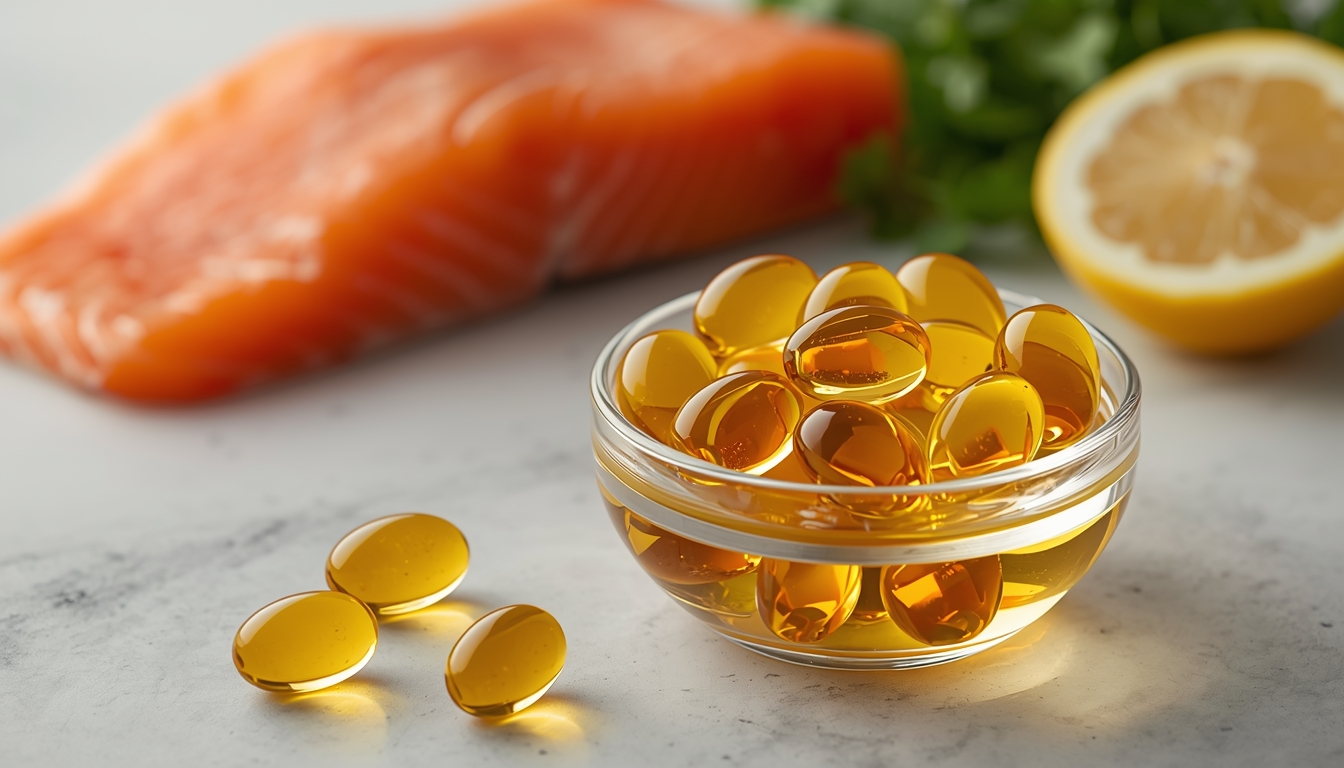
Healthy fats: Avocado, olive oil, nuts, seeds, fatty fish like salmon.

Fruit: 2-3 servings daily. Whole fruit is better than juice.

Water: Half your body weight in ounces daily. (150 pounds = 75 ounces water)

Fermented foods: Yogurt, kefir, sauerkraut, kimchi. Good for gut health, which affects everything.

Step 6: What to Limit

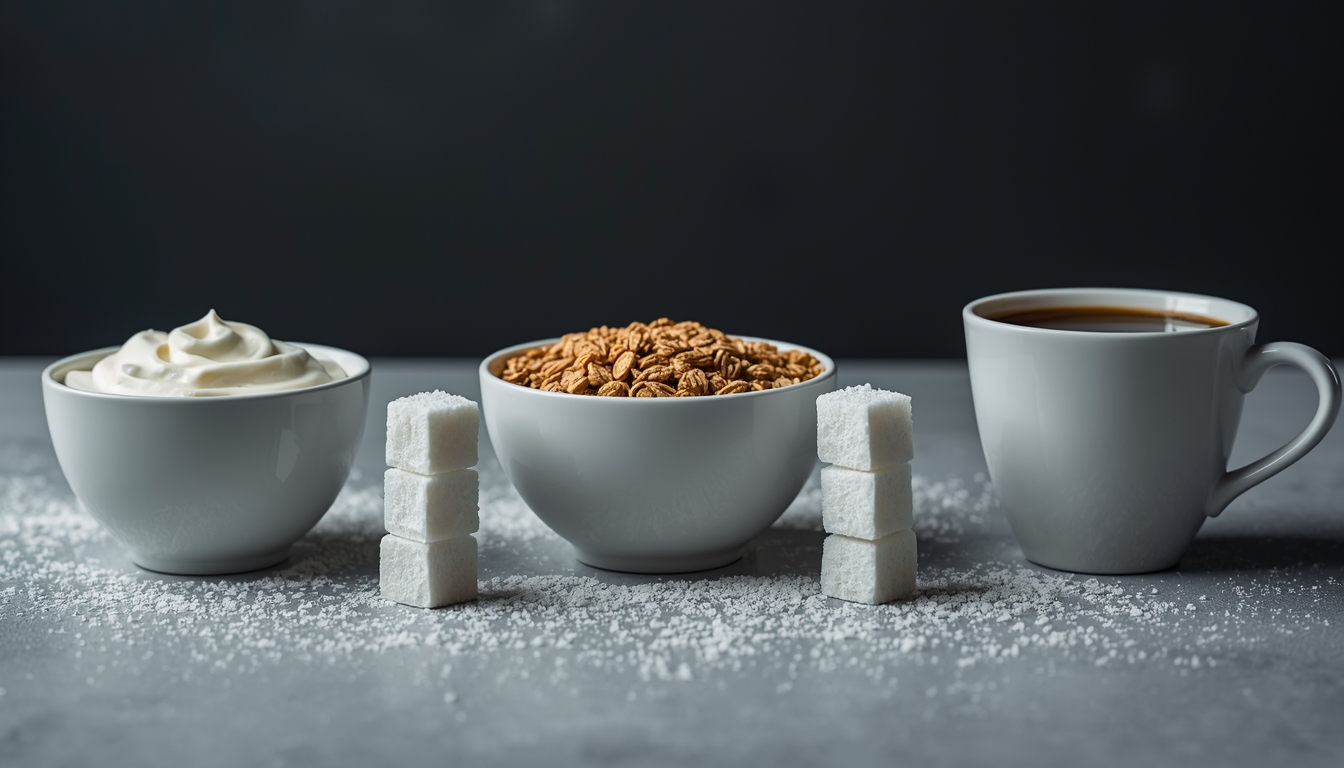
Added sugar: Soda, candy, pastries, sweetened coffee drinks, flavored yogurts. Not banned, but limited.

Ultra-processed foods: Things with long ingredient lists. Boxed meals, packaged snacks, frozen pizzas.

Refined grains: White bread, white rice, regular pasta, sugary cereals. Swap for whole grains.

Alcohol: Empty calories. Also disrupts sleep and hormones. Limit to special occasions.

Fried foods: High in inflammatory fats and calories.

Step 7: Sample Meal Ideas

Breakfast options:

  • Greek yogurt with berries and a sprinkle of nuts
  • Two eggs with spinach and whole grain toast
  • Oatmeal made with milk, topped with apple and cinnamon
  • Cottage cheese with peaches and flaxseed
  • Smoothie: protein powder, spinach, half banana, almond milk

Lunch options:

  • Large salad with chicken, avocado, olive oil, and vinegar
  • Leftovers from dinner
  • Grain bowl: quinoa, roasted vegetables, chickpeas, tahini dressing
  • Tuna salad on whole grain bread with side of carrots
  • Lentil soup with side salad

Dinner options:

  • Baked salmon with roasted broccoli and sweet potato
  • Chicken stir-fry with bell peppers, snap peas, brown rice
  • Turkey taco bowls: ground turkey, black beans, lettuce, tomato, avocado
  • Shrimp and vegetable skewers with quinoa
  • Egg roll in a bowl: ground pork, coleslaw mix, ginger, garlic

Snack options (150-200 calories):

  • Apple with peanut butter
  • Handful of almonds and a cheese stick
  • Greek yogurt
  • Hard-boiled egg
  • Carrot sticks with hummus
  • Cottage cheese with berries

Step 8: Portion Control Without Measuring

Protein: Size of your palm Vegetables: As much as fits in both hands Carbs: Size of your cupped hand Fats: Size of your thumb

This works for any plate, any meal. Your hand size roughly correlates with your body size.

Step 9: Track Your Progress

Don't just watch the scale. The scale lies sometimes, especially around your cycle when you retain water.

Track these instead:

  • How your clothes fit
  • Your energy levels throughout the day
  • Sleep quality
  • How you feel after meals
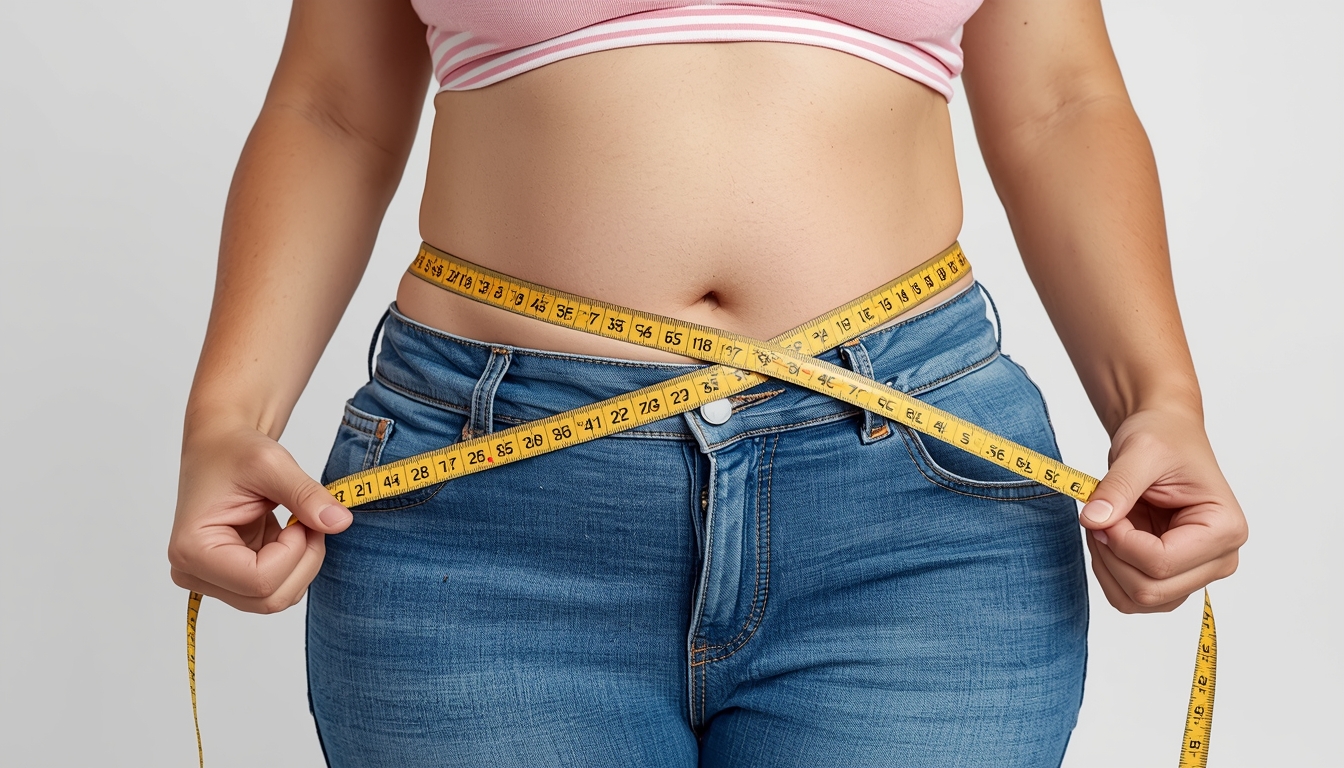
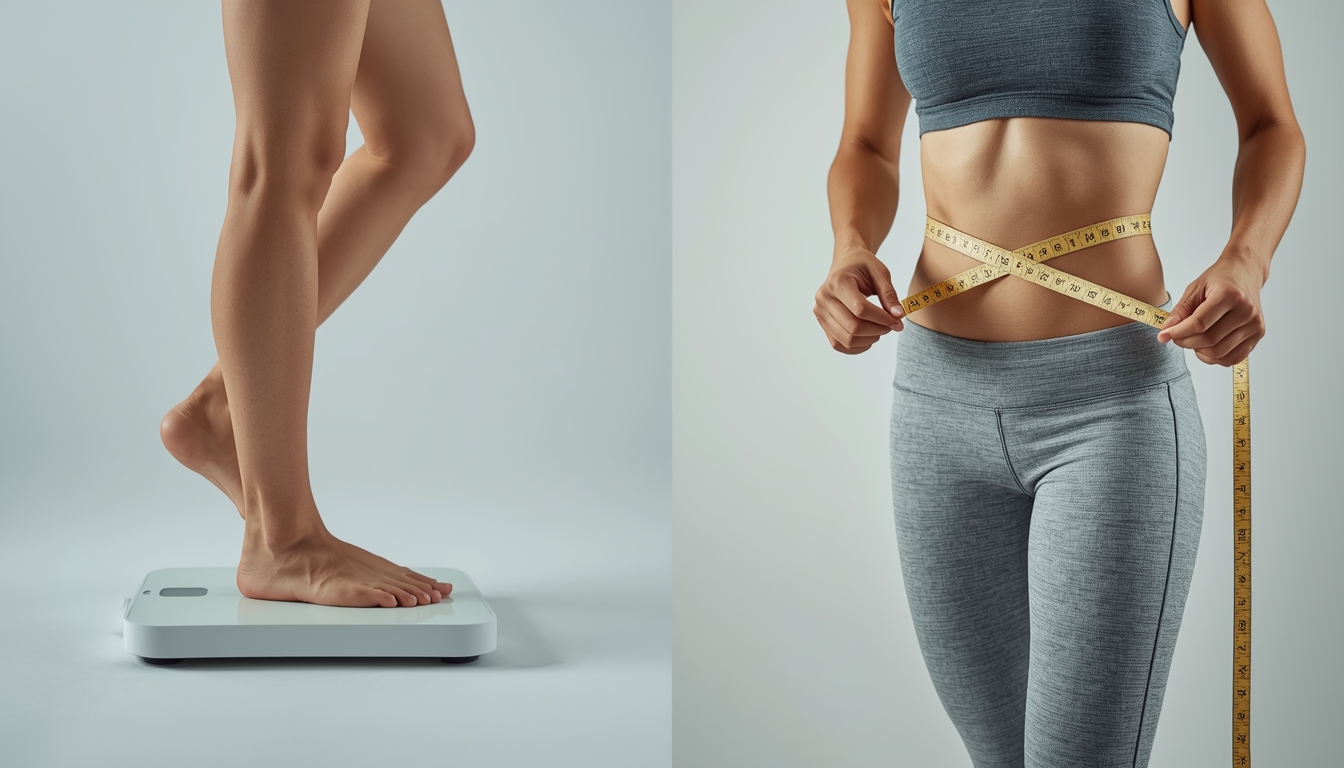
  • Measurements (waist, hips, thighs once monthly)

Use our tools:

Questions Women Actually Ask About Diet Plans

Q: Why can't I lose weight like I did in my 20s? A: Your metabolism naturally slows with age. You also lose muscle mass if you're not strength training. That means you burn fewer calories at rest. The solution isn't eating less—it's eating smarter and adding strength training.

Q: Should I cut out carbs completely? A: No. Women need carbs for hormone production and thyroid function. Low-carb diets can mess with your cycle and mood. Choose complex carbs and time them around your activity.

Q: How much water should I drink? A: About half your body weight in ounces. Use our Water Intake Calculator for your specific number.

Q: I crave sugar before my period. What should I do? A: This is normal. Your body needs more carbs in the luteal phase. Give yourself permission to eat a little more. Choose complex carbs and add protein to balance blood sugar.

Q: How many calories should I eat to lose weight? A: Use our BMR Calculator and TDEE Calculator . Subtract 300-500 from your TDEE for gradual weight loss. Never eat below your BMR.

Q: I'm menopausal and gaining belly fat. What helps? A: Prioritize protein, strength training, and sleep. Cut back on alcohol. Check your BMI Calculator and Body Fat Calculator to track changes beyond the scale.

Q: Do I need to cut out dairy? A: Only if you have a sensitivity. Full-fat dairy in moderation is fine for most women. Greek yogurt and cottage cheese are great protein sources.

Q: Can I have coffee? A: Yes, but watch what you add. Black coffee is fine. A 500-calorie flavored latte is not. Also, too much caffeine affects sleep, which affects weight loss.

Q: How do I handle eating out? A: Same plate method applies. Order vegetables first. Ask for dressing on the side. Choose grilled over fried. Don't be afraid to take half home.

Q: I'm always hungry. What am I doing wrong? A: You might not be eating enough protein or fat. Both keep you full. Also check your water intake dehydration feels like hunger. And make sure you're sleeping enough.

The Bottom Line

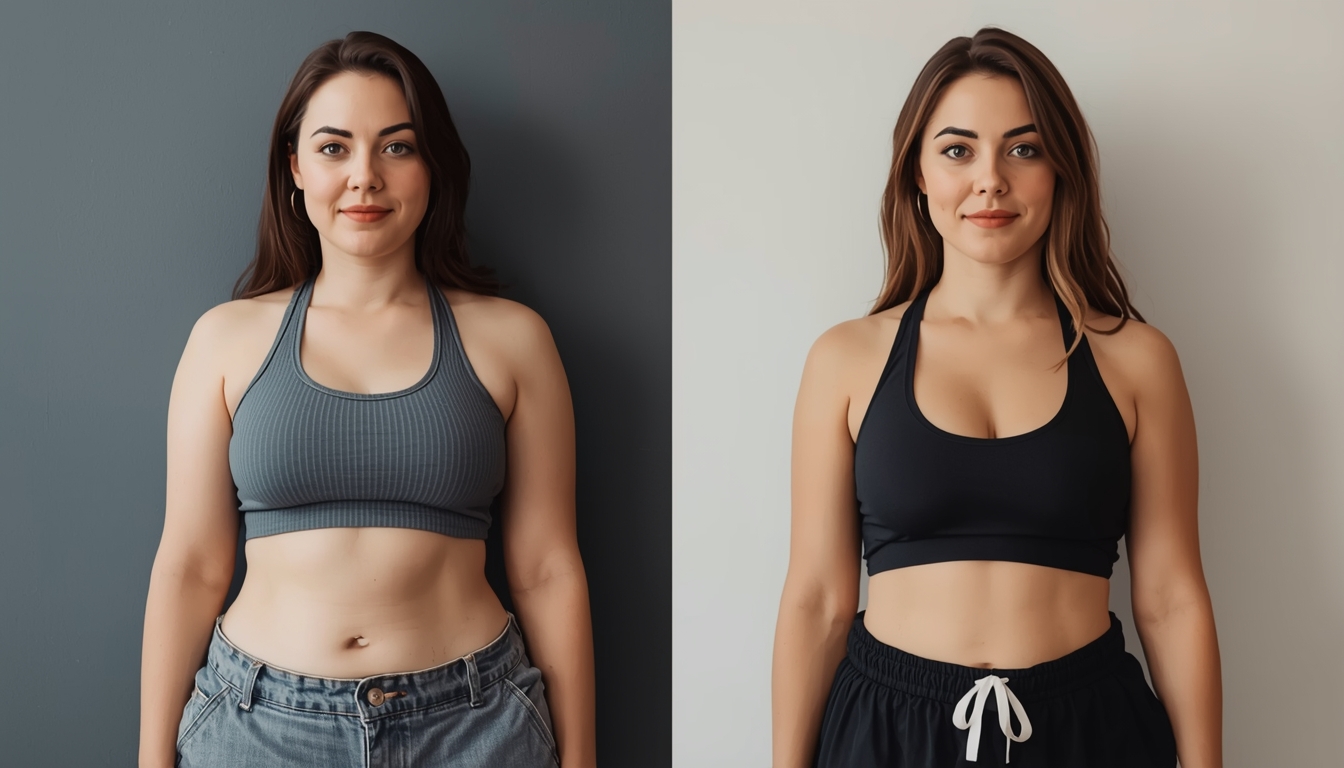
My sister Sarah who thought she was doing everything wrong? She stopped comparing herself to her husband. She started eating more protein, added strength training twice a week, and started tracking her cycle instead of fighting it.

Six months later, she's down 18 pounds. But more importantly, she has energy again. Her mood is better. She's sleeping through the night.

"It's not about willpower," she told me. "It's about working with my body instead of against it."

Here's what I want you to remember:

  • Your body changes with age and cycle your diet should too
  • Protein matters more than you think
  • Sleep and stress affect weight as much as food
  • The scale isn't the only measure of progress
  • Sustainability beats intensity every time

Start today:

  1. Use our BMI Calculator and Body Fat Calculator to know your baseline
  2. Calculate your BMR and TDEE so you're not under-eating
  3. Build your plate using the visual method
  4. Adjust for your cycle or life stage
  5. Be patient real change takes time

You don't need another extreme diet. You need a sustainable pattern that works with your body, not against it.

Let's start today.


This article is for informational purposes only and isn't medical advice. Always talk to your doctor before starting any diet or exercise program.

Latest Health Reads

What Is BMI? Simple Guide to Body Mass Index

What Is BMI? Simple Guide to Body Mass Index

Learn what BMI means, how to calculate it, and what your BMI number says about your health.

Read article →
How to Lower BMI: 7 Simple Steps That Actually Work

How to Lower BMI: 7 Simple Steps That Actually Work

Trying to lower your BMI? Here's what works - no crash diets, no gimmicks. Simple steps, real examples, and tools to track your progress.

Read article →
What Is BMR? Simple Guide to Your Metabolism

What Is BMR? Simple Guide to Your Metabolism

Learn what BMR means, why it matters for weight, and how to calculate yours.

Read article →
Ideal Weight for Your Height: Simple Formulas

Ideal Weight for Your Height: Simple Formulas

Find your healthy weight range based on height. Simple formulas and practical tips.

Read article →
BMI vs Body Fat: Which One Actually Matters More?

BMI vs Body Fat: Which One Actually Matters More?

BMI says one thing. Body fat says another. Here's how to know which number to trust for your health.

Read article →
BMI Calculator Limitations: 10 Factors Not Considered

BMI Calculator Limitations: 10 Factors Not Considered

BMI doesn't tell the full story. Learn what factors your BMI calculator ignores and what measurements are more accurate for health assessment.

Read article →
Why Water Intake Is Important: 7 Reasons Your Body Needs It

Why Water Intake Is Important: 7 Reasons Your Body Needs It

Water does more than just quench your thirst. Here's why drinking enough matters for energy, weight loss, skin, and overall health.

Read article →
Superfoods for Heart Health: 10 Foods Cardiologists Actually Eat

Superfoods for Heart Health: 10 Foods Cardiologists Actually Eat

Want a healthier heart? Here are 10 superfoods cardiologists swear by. Simple, delicious, and backed by science - plus tools to track your progress.

Read article →
Weight Loss for Women at Home: 7 Things That Actually Work

Weight Loss for Women at Home: 7 Things That Actually Work

Trying to lose weight at home? Here's what works for real women - no gym required. Simple steps, honest advice, and tools to track your progress.

Read article →
Healthy Weight for Women in Their 30s: What Actually Works

Healthy Weight for Women in Their 30s: What Actually Works

Wondering what a healthy weight looks like for women in their 30s? Here's what changes after 30 and how to find your ideal weight range.

Read article →
Healthy BMI for Women by Age: What's Normal in Your 20s, 30s, 40s, 50s and Beyond

Healthy BMI for Women by Age: What's Normal in Your 20s, 30s, 40s, 50s and Beyond

Wondering what a healthy BMI looks like for women at different ages? Here's exactly how your ideal weight range changes from your 20s through your 70s and beyond.

Read article →
Morning Routine for Weight Loss: 7 Simple Habits That Actually Work

Morning Routine for Weight Loss: 7 Simple Habits That Actually Work

Want to lose weight without crazy diets? Here's exactly what to do in the first hour after waking up to boost metabolism, burn fat, and feel great all day.

Read article →
How to Increase Fertility Naturally: 11 Science-Backed Ways to Boost Your Chances of Getting Pregnant

How to Increase Fertility Naturally: 11 Science-Backed Ways to Boost Your Chances of Getting Pregnant

Wondering how to boost your fertility naturally? From the best foods to eat for ovulation to lifestyle changes that actually work, here's what you need to know.

Read article →
How Much Water Should You Drink During Pregnancy? A Complete Guide for Every Trimester

How Much Water Should You Drink During Pregnancy? A Complete Guide for Every Trimester

Wondering how much water you really need while pregnant? From first trimester nausea to third trimester swelling, here's exactly how to stay hydrated for you and baby.

Read article →
Heart Disease Symptoms, Causes, and the New Treatments Changing Everything (Including AI)

Heart Disease Symptoms, Causes, and the New Treatments Changing Everything (Including AI)

Chest pain? Shortness of breath? Here's what your symptoms mean, plus the latest breakthroughs in heart care—from AI that predicts heart attacks to new meds and high-tech sensors.

Read article →
Heart Attacks in Young People: Why It's Happening and What You Can Do About It

Heart Attacks in Young People: Why It's Happening and What You Can Do About It

Young men and women in their 20s, 30s, and 40s are having heart attacks at alarming rates. Here's why lifestyle, stress, and food choices are to blame—and how to protect yourself.

Read article →
Waist-to-Height Ratio: The Simple Number That Tells You More Than BMI

Waist-to-Height Ratio: The Simple Number That Tells You More Than BMI

Forget complicated health metrics. Your waist-to-height ratio takes two seconds to measure and might predict your health risks better than BMI. Here's how to do it.

Read article →
Healthy Sleep Habits: How to Fall Asleep Faster, Stay Asleep Longer, and Wake Up Refreshed

Healthy Sleep Habits: How to Fall Asleep Faster, Stay Asleep Longer, and Wake Up Refreshed

Struggling to fall asleep or wake up tired? Here's exactly how to fix your sleep schedule, create the perfect bedtime routine, and finally get the rest your body needs.

Read article →
How Much Can You REALLY Lift? Here's How to Find Out Without Crashing

How Much Can You REALLY Lift? Here's How to Find Out Without Crashing

Everyone at the gym wonders how much they could bench if they went all out. But going for a true max is risky. Here's the smarter way to find your real strength.

Read article →
You're Eating WAY More Sugar Than You Think: Here's Where It's Hiding

You're Eating WAY More Sugar Than You Think: Here's Where It's Hiding

That 'healthy' yogurt has more sugar than a donut. Your morning coffee is basically dessert. Here's how to find the hidden sugar in everyday foods and how much is actually okay.

Read article →
Health Calculators That Could Help in an Emergency: What to Know Before You Need It

Health Calculators That Could Help in an Emergency: What to Know Before You Need It

When minutes matter, having the right information about your body can make all the difference. Here's how simple health calculators can help in unexpected situations.

Read article →
First Trimester Survival Guide: What No One Tells You About Weeks 1-12

First Trimester Survival Guide: What No One Tells You About Weeks 1-12

From the exhaustion that hits like a truck to the weird food aversions nobody warned you about. Here's what actually happens in the first trimester and how to survive it.

Read article →
What Is Leucovorin? Why Everyone's Talking About This Drug and Autism

What Is Leucovorin? Why Everyone's Talking About This Drug and Autism

Leucovorin is all over social media right now. Parents are sharing stories, and the FDA just made a major announcement. Here's what you need to know about this medication and its connection to autism.

Read article →
Understanding Autism Spectrum Disorder: Signs, Support, and What Every Parent Should Know

Understanding Autism Spectrum Disorder: Signs, Support, and What Every Parent Should Know

Worried about your child's development? Here's what autism spectrum disorder really means, early signs to watch for, how diagnosis works, and where to find support.

Read article →
How to Reduce Stress: Simple Ways to Calm Your Mind and Protect Your Health

How to Reduce Stress: Simple Ways to Calm Your Mind and Protect Your Health

Feeling overwhelmed, anxious, or just burned out? Here's why stress is so hard on your body, how it affects your heart and brain, and what actually works to calm down in real life.

Read article →
What to Eat After Cancer: A Survivor's Guide to Food, Healing, and Moving Forward

What to Eat After Cancer: A Survivor's Guide to Food, Healing, and Moving Forward

Worried about what to eat after a cancer diagnosis? Here's a practical guide to healthy foods, what to avoid, nourishing drinks, and simple habits that help survivors feel stronger every day.

Read article →
How to Increase Testosterone Naturally: Foods, Workouts, and Lifestyle Changes That Actually Work

How to Increase Testosterone Naturally: Foods, Workouts, and Lifestyle Changes That Actually Work

Low energy? Struggling in the gym? Here's how to boost your testosterone naturally with simple food swaps, effective workouts, and daily habits that make a real difference.

Read article →
Fish Oil Benefits: What It Does for Men, Women, Your Heart, Brain, and Hormones

Fish Oil Benefits: What It Does for Men, Women, Your Heart, Brain, and Hormones

Wondering if fish oil is worth the hype? Here's what omega-3s actually do for your heart, brain, testosterone, cholesterol, and stress levels—plus how to choose the right one.

Read article →
Foods That Support Healthy Ovulation: What to Eat for Hormone Balance and Regular Cycles

Foods That Support Healthy Ovulation: What to Eat for Hormone Balance and Regular Cycles

Struggling with irregular ovulation or anovulatory cycles? Here's what to eat to support hormone balance, improve egg quality, and get your cycle back on track naturally.

Read article →
Best Way to Eat Eggs: Boiled, Fried, Omelet, or Raw? How Cooking Method Changes Nutrition

Best Way to Eat Eggs: Boiled, Fried, Omelet, or Raw? How Cooking Method Changes Nutrition

Boiled, half-boiled, omelet, or fried? Here's how different cooking methods affect protein absorption, nutrition, and safety plus who should eat eggs and who should avoid them.

Read article →
Easy Stress Relief at Home: Simple Things That Actually Calm Your Mind

Easy Stress Relief at Home: Simple Things That Actually Calm Your Mind

No complicated routines or expensive gadgets. Here are simple ways to relieve stress at home using music, meditation, crafts, and small shifts in how you think.

Read article →
Natural Cough Remedies: What Actually Works for Nighttime Cough, Sore Throat, and Chest Congestion

Natural Cough Remedies: What Actually Works for Nighttime Cough, Sore Throat, and Chest Congestion

That tickle in your throat keeping you awake? Here are natural cough remedies that work, from ginger at night to hot water with honey, plus when to reach for a trusted syrup.

Read article →
Antibiotics: What They Treat, How They Work, and Why You Need to Take Them Correctly

Antibiotics: What They Treat, How They Work, and Why You Need to Take Them Correctly

Wondering if you need antibiotics for that cough or sore throat? Here's what antibiotics actually treat, how they work, common types, and why finishing the full prescription matters.

Read article →
Diet Plan for Women: Simple Food Guidelines That Work With Your Body, Not Against It

Diet Plan for Women: Simple Food Guidelines That Work With Your Body, Not Against It

Tired of diets that ignore your hormones, your cycle, and your real life? Here's a sustainable eating plan for women that actually works with your body's natural rhythms.

Read article →
What Is BMI? Simple Guide to Body Mass Index

What Is BMI? Simple Guide to Body Mass Index

Learn what BMI means, how to calculate it, and what your BMI number says about your health.

Read article →
How to Lower BMI: 7 Simple Steps That Actually Work

How to Lower BMI: 7 Simple Steps That Actually Work

Trying to lower your BMI? Here's what works - no crash diets, no gimmicks. Simple steps, real examples, and tools to track your progress.

Read article →
What Is BMR? Simple Guide to Your Metabolism

What Is BMR? Simple Guide to Your Metabolism

Learn what BMR means, why it matters for weight, and how to calculate yours.

Read article →
Ideal Weight for Your Height: Simple Formulas

Ideal Weight for Your Height: Simple Formulas

Find your healthy weight range based on height. Simple formulas and practical tips.

Read article →
BMI vs Body Fat: Which One Actually Matters More?

BMI vs Body Fat: Which One Actually Matters More?

BMI says one thing. Body fat says another. Here's how to know which number to trust for your health.

Read article →
BMI Calculator Limitations: 10 Factors Not Considered

BMI Calculator Limitations: 10 Factors Not Considered

BMI doesn't tell the full story. Learn what factors your BMI calculator ignores and what measurements are more accurate for health assessment.

Read article →
Why Water Intake Is Important: 7 Reasons Your Body Needs It

Why Water Intake Is Important: 7 Reasons Your Body Needs It

Water does more than just quench your thirst. Here's why drinking enough matters for energy, weight loss, skin, and overall health.

Read article →
Superfoods for Heart Health: 10 Foods Cardiologists Actually Eat

Superfoods for Heart Health: 10 Foods Cardiologists Actually Eat

Want a healthier heart? Here are 10 superfoods cardiologists swear by. Simple, delicious, and backed by science - plus tools to track your progress.

Read article →
Weight Loss for Women at Home: 7 Things That Actually Work

Weight Loss for Women at Home: 7 Things That Actually Work

Trying to lose weight at home? Here's what works for real women - no gym required. Simple steps, honest advice, and tools to track your progress.

Read article →
Healthy Weight for Women in Their 30s: What Actually Works

Healthy Weight for Women in Their 30s: What Actually Works

Wondering what a healthy weight looks like for women in their 30s? Here's what changes after 30 and how to find your ideal weight range.

Read article →
Healthy BMI for Women by Age: What's Normal in Your 20s, 30s, 40s, 50s and Beyond

Healthy BMI for Women by Age: What's Normal in Your 20s, 30s, 40s, 50s and Beyond

Wondering what a healthy BMI looks like for women at different ages? Here's exactly how your ideal weight range changes from your 20s through your 70s and beyond.

Read article →
Morning Routine for Weight Loss: 7 Simple Habits That Actually Work

Morning Routine for Weight Loss: 7 Simple Habits That Actually Work

Want to lose weight without crazy diets? Here's exactly what to do in the first hour after waking up to boost metabolism, burn fat, and feel great all day.

Read article →
How to Increase Fertility Naturally: 11 Science-Backed Ways to Boost Your Chances of Getting Pregnant

How to Increase Fertility Naturally: 11 Science-Backed Ways to Boost Your Chances of Getting Pregnant

Wondering how to boost your fertility naturally? From the best foods to eat for ovulation to lifestyle changes that actually work, here's what you need to know.

Read article →
How Much Water Should You Drink During Pregnancy? A Complete Guide for Every Trimester

How Much Water Should You Drink During Pregnancy? A Complete Guide for Every Trimester

Wondering how much water you really need while pregnant? From first trimester nausea to third trimester swelling, here's exactly how to stay hydrated for you and baby.

Read article →
Heart Disease Symptoms, Causes, and the New Treatments Changing Everything (Including AI)

Heart Disease Symptoms, Causes, and the New Treatments Changing Everything (Including AI)

Chest pain? Shortness of breath? Here's what your symptoms mean, plus the latest breakthroughs in heart care—from AI that predicts heart attacks to new meds and high-tech sensors.

Read article →
Heart Attacks in Young People: Why It's Happening and What You Can Do About It

Heart Attacks in Young People: Why It's Happening and What You Can Do About It

Young men and women in their 20s, 30s, and 40s are having heart attacks at alarming rates. Here's why lifestyle, stress, and food choices are to blame—and how to protect yourself.

Read article →
Waist-to-Height Ratio: The Simple Number That Tells You More Than BMI

Waist-to-Height Ratio: The Simple Number That Tells You More Than BMI

Forget complicated health metrics. Your waist-to-height ratio takes two seconds to measure and might predict your health risks better than BMI. Here's how to do it.

Read article →
Healthy Sleep Habits: How to Fall Asleep Faster, Stay Asleep Longer, and Wake Up Refreshed

Healthy Sleep Habits: How to Fall Asleep Faster, Stay Asleep Longer, and Wake Up Refreshed

Struggling to fall asleep or wake up tired? Here's exactly how to fix your sleep schedule, create the perfect bedtime routine, and finally get the rest your body needs.

Read article →
How Much Can You REALLY Lift? Here's How to Find Out Without Crashing

How Much Can You REALLY Lift? Here's How to Find Out Without Crashing

Everyone at the gym wonders how much they could bench if they went all out. But going for a true max is risky. Here's the smarter way to find your real strength.

Read article →
You're Eating WAY More Sugar Than You Think: Here's Where It's Hiding

You're Eating WAY More Sugar Than You Think: Here's Where It's Hiding

That 'healthy' yogurt has more sugar than a donut. Your morning coffee is basically dessert. Here's how to find the hidden sugar in everyday foods and how much is actually okay.

Read article →
Health Calculators That Could Help in an Emergency: What to Know Before You Need It

Health Calculators That Could Help in an Emergency: What to Know Before You Need It

When minutes matter, having the right information about your body can make all the difference. Here's how simple health calculators can help in unexpected situations.

Read article →
First Trimester Survival Guide: What No One Tells You About Weeks 1-12

First Trimester Survival Guide: What No One Tells You About Weeks 1-12

From the exhaustion that hits like a truck to the weird food aversions nobody warned you about. Here's what actually happens in the first trimester and how to survive it.

Read article →
What Is Leucovorin? Why Everyone's Talking About This Drug and Autism

What Is Leucovorin? Why Everyone's Talking About This Drug and Autism

Leucovorin is all over social media right now. Parents are sharing stories, and the FDA just made a major announcement. Here's what you need to know about this medication and its connection to autism.

Read article →
Understanding Autism Spectrum Disorder: Signs, Support, and What Every Parent Should Know

Understanding Autism Spectrum Disorder: Signs, Support, and What Every Parent Should Know

Worried about your child's development? Here's what autism spectrum disorder really means, early signs to watch for, how diagnosis works, and where to find support.

Read article →
How to Reduce Stress: Simple Ways to Calm Your Mind and Protect Your Health

How to Reduce Stress: Simple Ways to Calm Your Mind and Protect Your Health

Feeling overwhelmed, anxious, or just burned out? Here's why stress is so hard on your body, how it affects your heart and brain, and what actually works to calm down in real life.

Read article →
What to Eat After Cancer: A Survivor's Guide to Food, Healing, and Moving Forward

What to Eat After Cancer: A Survivor's Guide to Food, Healing, and Moving Forward

Worried about what to eat after a cancer diagnosis? Here's a practical guide to healthy foods, what to avoid, nourishing drinks, and simple habits that help survivors feel stronger every day.

Read article →
How to Increase Testosterone Naturally: Foods, Workouts, and Lifestyle Changes That Actually Work

How to Increase Testosterone Naturally: Foods, Workouts, and Lifestyle Changes That Actually Work

Low energy? Struggling in the gym? Here's how to boost your testosterone naturally with simple food swaps, effective workouts, and daily habits that make a real difference.

Read article →
Fish Oil Benefits: What It Does for Men, Women, Your Heart, Brain, and Hormones

Fish Oil Benefits: What It Does for Men, Women, Your Heart, Brain, and Hormones

Wondering if fish oil is worth the hype? Here's what omega-3s actually do for your heart, brain, testosterone, cholesterol, and stress levels—plus how to choose the right one.

Read article →
Foods That Support Healthy Ovulation: What to Eat for Hormone Balance and Regular Cycles

Foods That Support Healthy Ovulation: What to Eat for Hormone Balance and Regular Cycles

Struggling with irregular ovulation or anovulatory cycles? Here's what to eat to support hormone balance, improve egg quality, and get your cycle back on track naturally.

Read article →
Best Way to Eat Eggs: Boiled, Fried, Omelet, or Raw? How Cooking Method Changes Nutrition

Best Way to Eat Eggs: Boiled, Fried, Omelet, or Raw? How Cooking Method Changes Nutrition

Boiled, half-boiled, omelet, or fried? Here's how different cooking methods affect protein absorption, nutrition, and safety plus who should eat eggs and who should avoid them.

Read article →
Easy Stress Relief at Home: Simple Things That Actually Calm Your Mind

Easy Stress Relief at Home: Simple Things That Actually Calm Your Mind

No complicated routines or expensive gadgets. Here are simple ways to relieve stress at home using music, meditation, crafts, and small shifts in how you think.

Read article →
Natural Cough Remedies: What Actually Works for Nighttime Cough, Sore Throat, and Chest Congestion

Natural Cough Remedies: What Actually Works for Nighttime Cough, Sore Throat, and Chest Congestion

That tickle in your throat keeping you awake? Here are natural cough remedies that work, from ginger at night to hot water with honey, plus when to reach for a trusted syrup.

Read article →
Antibiotics: What They Treat, How They Work, and Why You Need to Take Them Correctly

Antibiotics: What They Treat, How They Work, and Why You Need to Take Them Correctly

Wondering if you need antibiotics for that cough or sore throat? Here's what antibiotics actually treat, how they work, common types, and why finishing the full prescription matters.

Read article →
Diet Plan for Women: Simple Food Guidelines That Work With Your Body, Not Against It

Diet Plan for Women: Simple Food Guidelines That Work With Your Body, Not Against It

Tired of diets that ignore your hormones, your cycle, and your real life? Here's a sustainable eating plan for women that actually works with your body's natural rhythms.

Read article →

Explore All Health Calculators

From BMI to heart rate, we've got every calculator you need for your health journey.

20+
Free
Trusted