What Is BMI? Complete Guide to Body Mass Index (2024)
What Is BMI? Complete Guide to Body Mass Index (2024)
Let me start with a personal story. When my doctor first mentioned my BMI was 26, I had that familiar moment of confusion many people experience. What does BMI really measure? Is it just about weight, or is there more to it? This journey led me to discover that Body Mass Index (BMI) is both a simple mathematical formula and a complex health indicator with important limitations.
What is BMI? Understanding the Basics
Body Mass Index (BMI) is a numerical value derived from a person's weight and height. First developed by Belgian mathematician Adolphe Quetelet in the 1830s, BMI has become a globally recognized screening tool used by healthcare professionals to categorize individuals into weight status categories.
The Mathematical Formula
The standard BMI calculation follows this formula:
BMI = weight (kg) ÷ [height (m)]²
For those using imperial measurements: BMI = [weight (lbs) ÷ [height (in)]²] × 703
This formula creates a proportional relationship where height is squared in the denominator to account for the natural increase in body volume that comes with greater height.
How to Calculate Your BMI: Step-by-Step Guide
Let me walk you through the process with a practical example:
Step 1: Accurate Measurements
- Weight: Use a calibrated scale, preferably in the morning before eating
- Height: Stand straight against a wall, heels together, looking forward
Step 2: The Calculation For a person weighing 70 kg with height 1.75 m: 70 ÷ (1.75 × 1.75) = 70 ÷ 3.0625 = 22.86
Rounded to one decimal place: BMI = 22.9
Step 3: Interpretation This falls within the "Normal/Healthy Weight" category according to World Health Organization standards.
BMI Categories: Official Classification System
The World Health Organization (WHO) established these standardized BMI categories based on extensive population research:
| BMI Range | Category | Health Risk Level |
|---|---|---|
| < 18.5 | Underweight | Increased risk |
| 18.5–24.9 | Normal Weight | Lowest risk |
| 25.0–29.9 | Overweight | Moderate risk |
| 30.0–34.9 | Obesity Class I | High risk |
| 35.0–39.9 | Obesity Class II | Very high risk |
| ≥ 40.0 | Obesity Class III | Extremely high risk |
Most health organizations recommend maintaining a BMI between 18.5 and 24.9, as population studies consistently show this range correlates with the lowest incidence of weight-related health issues.
The Science Behind BMI: Why It Matters
Statistical Correlations
BMI gained global acceptance due to strong statistical correlations between BMI ranges and health outcomes:
High BMI (≥25.0) is associated with increased risk of:
- Cardiovascular diseases (30-50% higher risk for BMI 25-30)
- Type 2 diabetes (80-90% higher risk for BMI >30)
- Certain cancers (endometrial, breast, colon)
- Osteoarthritis
- Sleep apnea (70-90% of cases in people with BMI >30)
Low BMI (<18.5) may indicate:
- Nutritional deficiencies
- Osteoporosis (40% higher fracture risk)
- Weakened immune function
- Fertility issues in women
Population Health Application
BMI serves as a valuable tool for:
- Public health monitoring and policy development
- Identifying population-level health trends
- Screening individuals for potential health risks
- Research studies on weight-related health outcomes
Important Limitations of BMI: What It Doesn't Measure
Here's where my personal experience taught me the most. My friend Mark, a fitness trainer with visible muscle definition, has a BMI of 28—technically "overweight." This highlights BMI's critical limitations:
BMI Cannot Distinguish Between:
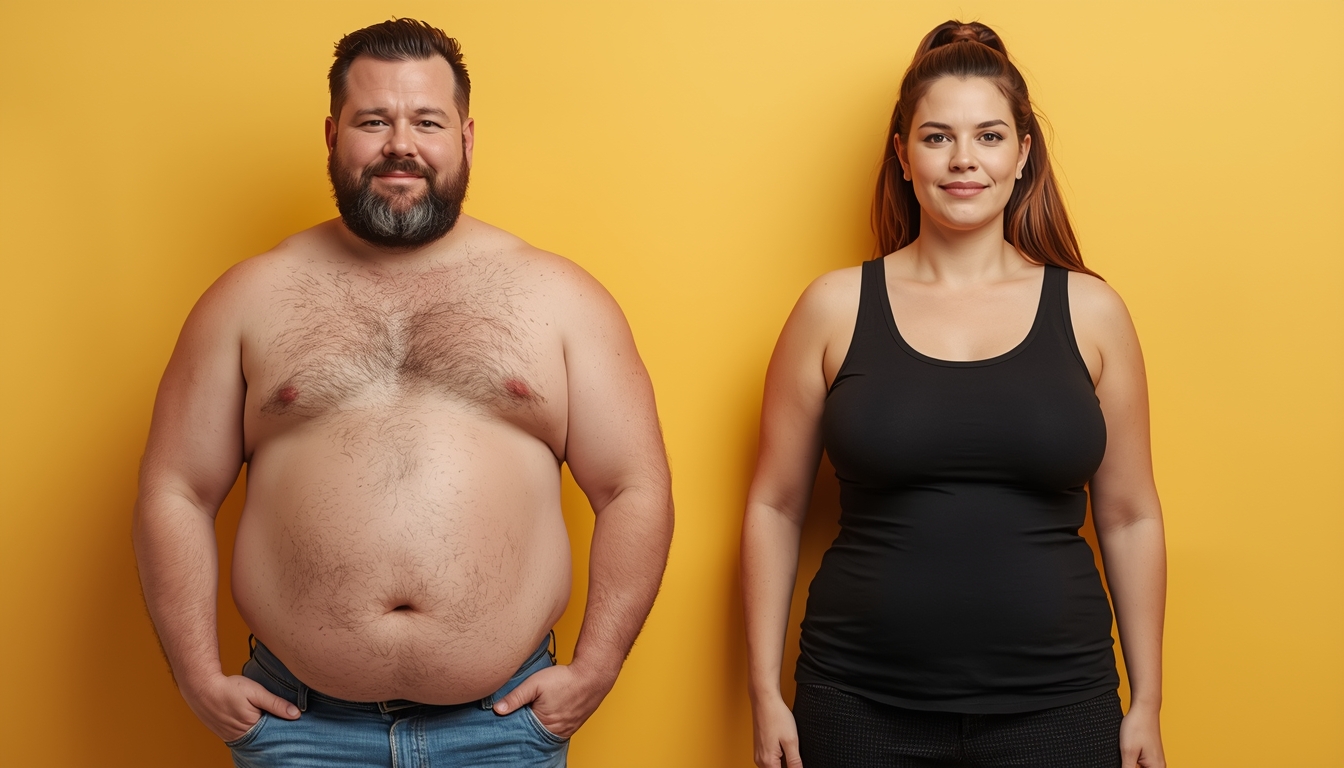
- Muscle mass vs. fat mass (muscle is denser and weighs more)
- Visceral fat vs. subcutaneous fat (belly fat is metabolically riskier than hip/thigh fat)
- Body frame size and bone density
- Age-related body composition changes
Special Populations Where BMI Is Less Accurate:
- Athletes and bodybuilders (higher muscle mass)
- Pregnant and breastfeeding women
- Children and adolescents (use BMI-for-age percentiles)
- Elderly individuals (age-related muscle loss/sarcopenia)
- Certain ethnic groups (Asians may have higher health risks at lower BMI)
Alternative Health Measurements to Consider
While BMI provides a quick assessment, these complementary measurements offer more comprehensive insights:
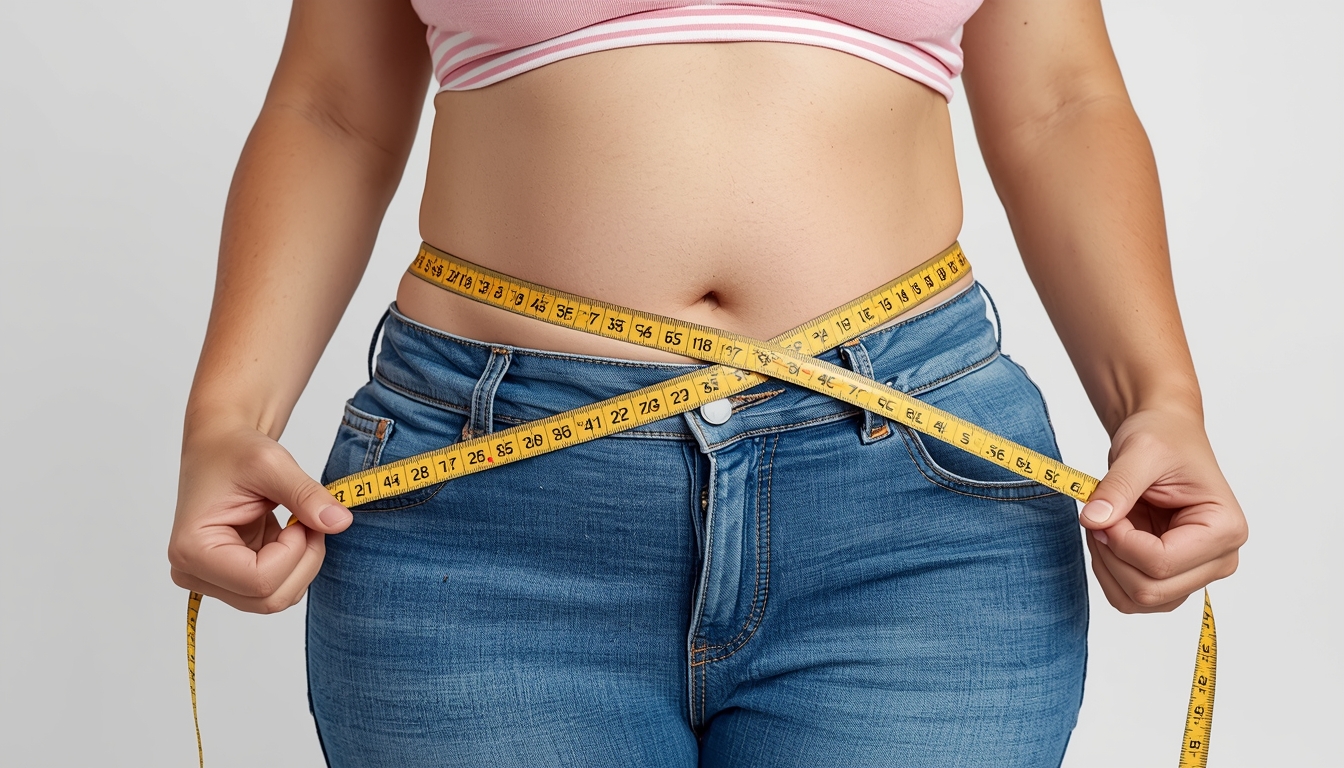
1. Waist Circumference
- Measurement: Around the narrowest point between ribs and hips
- Risk Thresholds:
- Men: >102 cm (40 inches)
- Women: >88 cm (35 inches)
2. Waist-to-Hip Ratio
- Formula: Waist circumference ÷ Hip circumference
- Healthy Ratios:
- Men: <0.90
- Women: <0.85
3. Body Fat Percentage
- Methods: DEXA scan, bioelectrical impedance, skinfold calipers
- Healthy Ranges:
- Men: 8-19% (athletes: 6-13%)
- Women: 21-33% (athletes: 14-20%)
Practical Guide: How to Use Your BMI Results
If Your BMI is Under 18.5 (Underweight):
Action Steps:
- Consult with a healthcare provider to rule out medical causes
- Focus on nutrient-dense foods (nuts, avocados, olive oil, lean proteins)
- Incorporate strength training to build healthy muscle mass
- Establish regular eating patterns (3 meals + 2-3 snacks daily)
If Your BMI is 18.5-24.9 (Healthy Weight):
Maintenance Tips:
- Continue balanced nutrition and regular physical activity
- Monitor other health markers (blood pressure, cholesterol, blood sugar)
- Maintain consistent healthy habits
- Focus on body composition rather than just weight
If Your BMI is 25-29.9 (Overweight):
Health Improvement Strategies:
- Increase daily physical activity (start with walking 30 minutes/day)
- Focus on portion control and balanced meals
- Reduce intake of processed foods and sugary beverages
- Set realistic, sustainable weight loss goals (0.5-1 kg/week)
If Your BMI is 30 or Above (Obese):
Recommended Approach:
- Consult healthcare professionals for personalized guidance
- Consider comprehensive lifestyle intervention programs
- Focus on small, sustainable changes rather than drastic diets
- Address underlying factors (emotional eating, stress management)
Frequently Asked Questions (FAQ)
Q1: How often should I check my BMI?
A: Monthly measurements are sufficient for most adults. Daily fluctuations (1-2 kg) are normal due to hydration, food intake, and hormonal changes.
Q2: Is BMI accurate for muscle-heavy individuals?
A: No. BMI often categorizes muscular athletes as overweight or obese despite low body fat percentage. Body fat percentage measurement is more appropriate.
Q3: Can children use the same BMI categories?
A: No. Children and adolescents use age and sex-specific BMI percentiles developed by the CDC and WHO.
Q4: Why do ethnic differences matter in BMI interpretation?
A: Research shows that Asians, for example, may experience health risks at lower BMI levels than Caucasians due to differences in body composition and fat distribution.
Q5: What's more important—BMI or how I feel?
A: Both matter. While BMI provides objective data, subjective feelings (energy levels, sleep quality, overall well-being) are equally important health indicators.
Best Practices for Accurate BMI Measurement
- Consistent Timing: Measure at the same time each day (morning is best)
- Proper Equipment: Use calibrated scales and accurate height measurements
- Light Clothing: Wear minimal clothing or the same outfit each time
- Empty Stomach: Measure before eating or drinking in the morning
- Regular Intervals: Check monthly rather than daily to track trends
Conclusion: A Balanced Perspective on BMI
BMI remains a valuable public health tool when understood and applied correctly. It serves as:
- A quick screening tool for population health assessment
- A starting point for individual health conversations
- One component of comprehensive health evaluation
However, it's crucial to remember that BMI is information, not identity. Your worth and health are not defined by a single number. Use BMI as one piece of your health puzzle, alongside other measurements, how you feel physically and mentally, and guidance from healthcare professionals.
For those seeking to understand their health better, consider using BMI alongside other metrics and always consult with healthcare providers for personalized advice tailored to your unique circumstances and health goals.