Superfoods for Heart Health: 10 Foods Cardiologists Actually Eat
Superfoods for Heart Health: 10 Foods Cardiologists Actually Eat
My dad called me after his last check-up. "Doctor says my cholesterol is creeping up. Told me to eat better. But what does that even mean?"
Sound familiar?
Heart disease is the #1 cause of death in the US. But here's the good news: 80% of heart disease is preventable with the right lifestyle choices. And food is the biggest piece of that puzzle.
Let's cut through the confusion. Here are 10 superfoods that cardiologists actually eat themselves - plus simple ways to add them to your day.
First: Know Your Numbers
Before we talk food, know where you stand. Your heart health isn't just about what you eat - it's about understanding your body.
Start with these quick checks:
- BMI Calculator - See if your weight is in a healthy range (30 seconds)
- Body Fat Calculator - Get the full picture (2 minutes)
- Blood Pressure Calculator - Know your numbers
- Heart Rate Calculator - Check your resting heart rate
Now let's talk food.
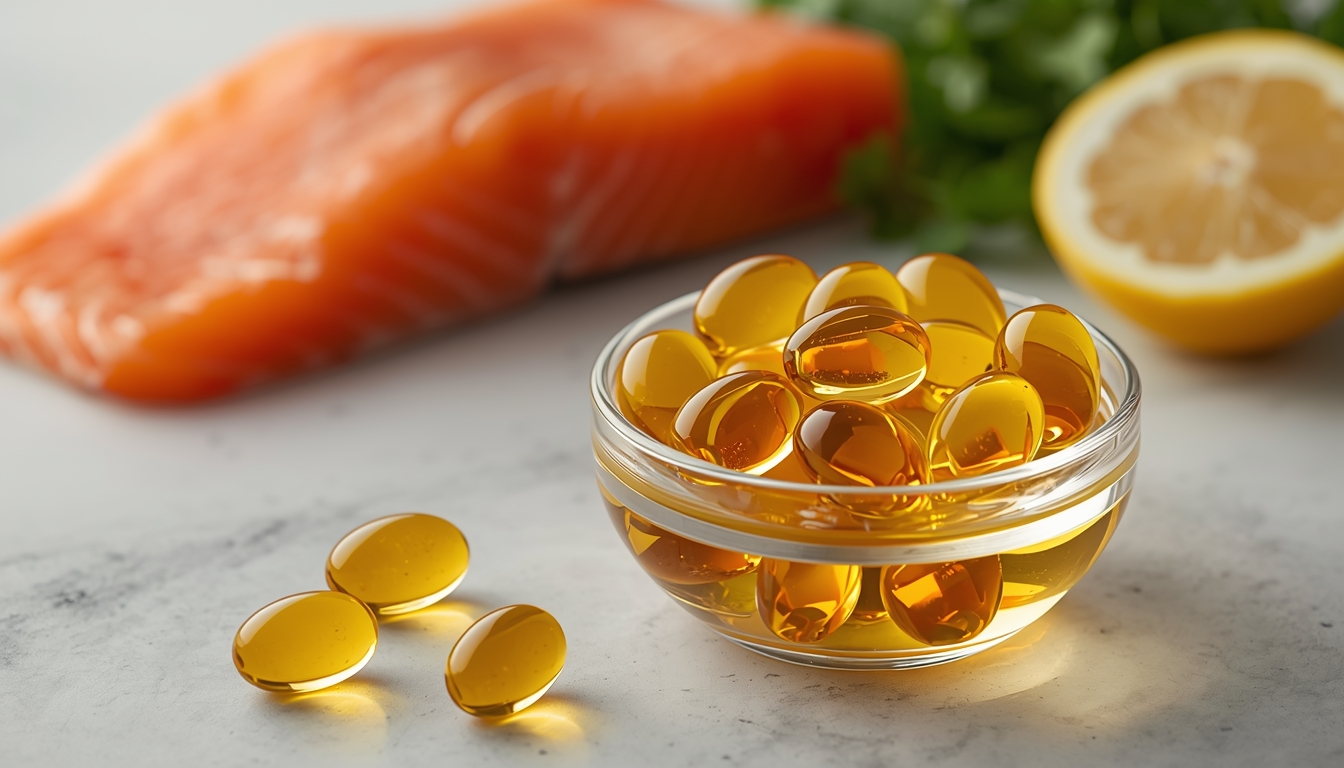
1. Fatty Fish: The Omega-3 Powerhouse
Dr. Fadi Chaaban, cardiologist, eats fatty fish at least twice a week. "I like to have grilled or baked salmon about twice a week," he says.
Why it works:
- Packed with omega-3 fatty acids that lower inflammation
- Reduces blood pressure and triglycerides
- Improves blood vessel flexibility
- Unlike red meat, won't contribute to arterial plaque
Best choices: Salmon, mackerel, sardines, trout, herring
How to add it: Swap red meat for salmon once or twice a week. Throw a salmon fillet on a baking sheet, add olive oil, lemon juice, and herbs. Serve with steamed broccoli.
2. Beans and Lentils: The Fiber Champions
Beans and lentils are heart-healthy powerhouses that most people don't eat enough of.
Why they work:
- High in soluble fiber which binds to cholesterol
- Research shows ¾ cup daily can lower LDL cholesterol by 19%
- Rich in potassium for blood pressure control
- Linked to 22% lower risk of heart disease
Best choices: Black beans, kidney beans, lentils, chickpeas
How to add them: Add to soups and salads. Use as a base for meatless meals once or twice a week.
3. Nuts: The Crunchy Protectors
A small handful of nuts daily can make a real difference for your heart.
Why they work:
- Packed with unsaturated fats and fiber
- Studies show nuts significantly lower LDL cholesterol
- Improve satiety and blood sugar control
- Walnuts specifically reduce heart disease risk by 14%
Best choices: Walnuts, almonds, pistachios, pecans
How to add them: Eat a small handful as a snack. Add sliced almonds to oatmeal. Sprinkle on salads.
4. Leafy Greens: The Arteries' Best Friend
Spinach, kale, and Swiss chard are packed with nutrients that protect your heart.
Why they work:
- Rich in nitrates that dilate blood vessels and lower blood pressure
- High in magnesium for healthy heart rhythm
- Packed with vitamin K, folate, and potassium
- Just 1 cup cooked spinach has nearly 4.5g fiber
Best choices: Spinach, kale, Swiss chard, arugula, collard greens
How to add them: Toss into salads, blend into smoothies, or sauté with garlic as a side dish.
5. Whole Grains: The Cholesterol Fighters
Swapping refined grains for whole grains is one of the simplest heart-healthy swaps you can make.
Why they work:
- Fiber helps lower "bad" cholesterol
- Reduces blood pressure
- Swapping refined grains for whole grains lowers metabolic syndrome risk
- Oats specifically have 4g fiber per cup
Best choices: Oats, quinoa, brown rice, barley, farro
How to add them: Start your day with oatmeal. Use brown rice instead of white. Keep quinoa in your pantry for quick meals.
6. Berries: Nature's Antioxidant Candy
Blueberries, strawberries, and raspberries are tiny but mighty for your heart.
Why they work:
- Packed with antioxidants called anthocyanins
- Lower blood pressure and LDL cholesterol
- Reduce inflammation
- One study found eating berries 3x weekly reduces heart attack risk by 32%
Best choices: Blueberries, strawberries, raspberries, blackberries
How to add them: Add to yogurt, oatmeal, or eat as a healthy dessert. Frozen berries work great too.
7. Avocados: The Good Fat Source
Avocados are rich in monounsaturated fats that help reduce bad cholesterol.
Why they work:
- One study found one avocado daily lowers LDL by 13%
- Contains oleic acid which reduces inflammation
- Packed with fiber and potassium
- Helps you feel full longer
How to add them: Spread on toast, make guacamole, slice into salads, or blend into smoothies.
8. Garlic: The Natural Cholesterol Fighter
Garlic has been used medicinally for centuries - and science backs it up.
Why it works:
- Contains allicin, which lowers cholesterol and blood pressure
- Studies show garlic can lower LDL by 10-15%
- Provides antioxidant benefits
- May help lower fasting blood glucose
How to add it: Add fresh minced garlic to dishes whenever possible. Roast whole garlic for a milder flavor.
9. Dark Chocolate: The Tasty Treat
Good news! Dark chocolate (70% cocoa or higher) actually benefits your heart.
Why it works:
- Loaded with flavonoids that improve blood flow
- Research shows eating dark chocolate 5x weekly reduces heart disease risk by 57%
- Improves circulation
- Reduces inflammation
Important: Stick to 1 ounce (about 30g) per day. More than that and you're getting too much sugar.
How to add it: Have one square as an after-dinner treat. Look for 70% cocoa or higher.
10. Green Tea: The Protective Elixir
Green tea contains powerful antioxidants called catechins that improve blood vessel function.
Why it works:
- Studies show 3-5 cups daily lowers heart disease risk by 26%
- Protects blood vessels from damage
- Associated with lower risk of cardiovascular disease
- Contains less caffeine than coffee
How to add it: Replace your afternoon coffee with green tea. Drink it hot or iced.
What the Science Says
Here's what the research shows:
| Food | Amount | Benefit |
|---|---|---|
| Beans | ¾ cup daily | LDL drops 19% |
| Walnuts | 5x weekly | Heart disease risk down 14% |
| Dark chocolate | Moderate | Heart disease risk down 57% |
| Berries | 3x weekly | Heart attack risk down 32% |
| Green tea | 3-5 cups daily | Heart disease risk down 26% |
| Avocado | 1 daily | LDL drops 13% |
The Mediterranean Connection
Many of these foods are staples of the Mediterranean diet. Research shows this eating pattern can lower heart disease risk by 50-70% compared to standard Western diets.
The key features: leafy greens, whole grains, fish, healthy fats, and plenty of plant foods.
Track Your Heart Health
Food is just one piece. Use our tools to monitor your progress:
- Heart Rate Calculator - Check your resting heart rate weekly
- Blood Pressure Calculator - Track changes over time
- VO2 Max Calculator - Measure cardiovascular fitness
- BMI Calculator - Monitor weight changes
- Body Fat Calculator - See body composition changes
- Water Intake Calculator - Stay hydrated for heart health
- Advanced BMI Calculator - More detailed assessment
Sample Day: Eating for Heart Health
Breakfast (7:30 AM) Oatmeal made with rolled oats Topped with blueberries and sliced almonds Green tea ≈ 350 calories
Morning Snack (10:30 AM) Small handful of walnuts Apple ≈ 200 calories
Lunch (1:00 PM) Spinach salad with grilled salmon Avocado slices Olive oil dressing Side of lentils ≈ 500 calories
Afternoon Snack (4:00 PM) Greek yogurt with strawberries ≈ 150 calories
Dinner (7:00 PM) Baked chicken breast with garlic and herbs Roasted broccoli Small sweet potato ≈ 450 calories
Evening (if desired) 1 square dark chocolate (70%+) Herbal tea ≈ 50 calories
Total: ~1,700 calories, heart-healthy throughout
Common Questions
Q: "Can I take supplements instead of eating these foods?" A: Whole foods are always better. They contain a complex mix of nutrients that work together. Supplements can help with specific deficiencies but shouldn't replace food.
Q: "How quickly will I see results?" A: Some changes happen fast. Blood pressure can improve within weeks. Cholesterol changes take 1-3 months. Long-term benefits build over years.
Q: "Do I need to give up all my favorite foods?" A: No. Focus on adding these heart-healthy foods first. They'll naturally crowd out less healthy options. Aim for 80% of the time.
Q: "Is coffee bad for my heart?" A: For most people, moderate coffee (3-4 cups daily) is actually associated with benefits due to antioxidants. But everyone responds differently.
Q: "What about eggs? Are they safe?" A: Current research shows one egg daily doesn't increase heart disease risk for most people. Egg yolk contains nutrients that fight inflammation.
Q: "Can I use frozen fruits and vegetables?" A: Yes! Frozen berries and veggies are just as nutritious as fresh. Sometimes more, because they're frozen at peak ripeness.
Q: "How do I know if these changes are working?" A: Use our Heart Rate Calculator weekly. Check your Blood Pressure Calculator monthly. Track how you feel.
Foods to Cut Back On
While adding these superfoods, also reduce:
- Processed meats (bacon, sausage, deli meats) - linked to higher heart disease risk
- Sugary drinks - soda, sweetened teas, juice drinks
- Refined grains - white bread, white pasta, pastries
- Trans fats - fried foods, packaged snacks
- Excess sodium - processed foods, canned soups, restaurant meals
- Excess alcohol - more than 1 drink daily for women, 2 for men
Simple Swaps to Start Today
Instead of: Sugary breakfast cereal Try: Oatmeal with berries
Instead of: Chips for snack Try: Handful of almonds
Instead of: White rice with dinner Try: Brown rice or quinoa
Instead of: Soda with lunch Try: Sparkling water with lemon
Instead of: Steak twice a week Try: Salmon once a week
Instead of: Ice cream for dessert Try: Greek yogurt with berries or dark chocolate square
Your 4-Week Heart Health Plan
Week 1: Foundation
- Use Heart Rate Calculator for baseline
- Add berries to breakfast 3x this week
- Swap one red meat meal for fish
- Start tracking blood pressure weekly
Week 2: Build Habits
- Add leafy greens to one meal daily
- Eat a handful of nuts as afternoon snack
- Try meatless Monday with beans or lentils
- Check resting heart rate again
Week 3: Increase
- Aim for fish twice this week
- Add avocado to lunches
- Replace white rice with brown rice or quinoa
- Use Blood Pressure Calculator to track changes
Week 4: Make It Yours
- Find which foods you enjoy most
- Create your own heart-healthy meals
- Use VO2 Max Calculator to check fitness
- Plan for month 2
When to Talk to Your Doctor
Check with your doctor if:
- You have existing heart conditions
- Your blood pressure is consistently high
- You're on medications that might interact with diet changes
- You have chest pain or shortness of breath
- You have questions about your specific situation
The Bottom Line
You don't need exotic ingredients or complicated plans. The best heart-healthy foods are probably already in your grocery store:
- Fish (especially salmon, sardines, mackerel)
- Beans and lentils
- Nuts (walnuts, almonds)
- Leafy greens (spinach, kale)
- Whole grains (oats, quinoa, brown rice)
- Berries (fresh or frozen)
- Avocados
- Garlic
- Dark chocolate (70%+)
- Green tea
Start with one food this week. Add another next week. Small steps add up.
Start today:
- Heart Rate Calculator - 30 seconds
- Add berries to tomorrow's breakfast
- Swap one meal for fish this week
- Check your numbers again in 4 weeks
Your heart works for you 24/7. Feed it well.