TDEE Calculator
Calculate your Total Daily Energy Expenditure and daily calorie needs for weight loss, maintenance, or gain.
TDEE Calculator
Calorie NeedsCalculate your Total Daily Energy Expenditure and daily calorie needs
About TDEE
TDEE (Total Daily Energy Expenditure) is the total number of calories your body burns each day, including BMR and physical activity.
BMR (Basal Metabolic Rate) is the calories your body needs at complete rest.
What is TDEE?
TDEE (Total Daily Energy Expenditure) is the total calories your body burns daily, including BMR and physical activity.
Activity Levels
Choose your activity level accurately for the most precise calorie calculation. Be honest about your daily movement.
Weight Goals
Whether you want to lose, maintain, or gain weight, we'll calculate your exact daily calorie needs.
Understanding Calorie Balance
Weight Loss
To lose weight, consume fewer calories than your TDEE. A 500-calorie daily deficit leads to ~0.5kg (1lb) loss per week.
Weight Maintenance
To maintain weight, match your calorie intake to your TDEE. This keeps your weight stable.
Weight Gain
To gain weight (muscle), consume more calories than your TDEE. A 500-calorie surplus leads to ~0.5kg (1lb) gain per week.
Related Calculators
Nutrition & Weight Management
What Is BMI? Simple Guide to Body Mass Index
Learn what BMI means, how to calculate it, and what your BMI number says about your health.
Read article →
How to Lower BMI: 7 Simple Steps That Actually Work
Trying to lower your BMI? Here's what works - no crash diets, no gimmicks. Simple steps, real examples, and tools to track your progress.
Read article →
What Is BMR? Simple Guide to Your Metabolism
Learn what BMR means, why it matters for weight, and how to calculate yours.
Read article →
Ideal Weight for Your Height: Simple Formulas
Find your healthy weight range based on height. Simple formulas and practical tips.
Read article →
BMI vs Body Fat: Which One Actually Matters More?
BMI says one thing. Body fat says another. Here's how to know which number to trust for your health.
Read article →
BMI Calculator Limitations: 10 Factors Not Considered
BMI doesn't tell the full story. Learn what factors your BMI calculator ignores and what measurements are more accurate for health assessment.
Read article →
Why Water Intake Is Important: 7 Reasons Your Body Needs It
Water does more than just quench your thirst. Here's why drinking enough matters for energy, weight loss, skin, and overall health.
Read article →
Superfoods for Heart Health: 10 Foods Cardiologists Actually Eat
Want a healthier heart? Here are 10 superfoods cardiologists swear by. Simple, delicious, and backed by science - plus tools to track your progress.
Read article →
Weight Loss for Women at Home: 7 Things That Actually Work
Trying to lose weight at home? Here's what works for real women - no gym required. Simple steps, honest advice, and tools to track your progress.
Read article →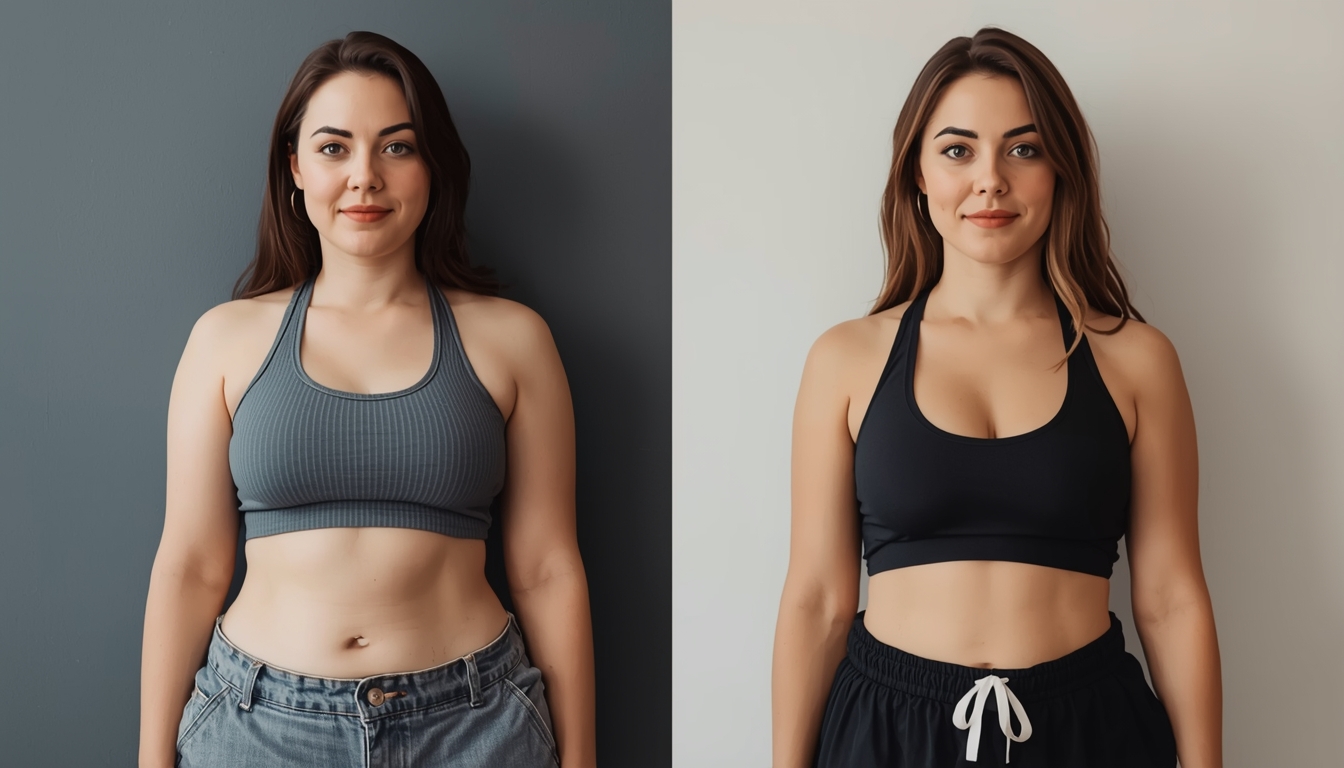
Healthy Weight for Women in Their 30s: What Actually Works
Wondering what a healthy weight looks like for women in their 30s? Here's what changes after 30 and how to find your ideal weight range.
Read article →
Healthy BMI for Women by Age: What's Normal in Your 20s, 30s, 40s, 50s and Beyond
Wondering what a healthy BMI looks like for women at different ages? Here's exactly how your ideal weight range changes from your 20s through your 70s and beyond.
Read article →
Morning Routine for Weight Loss: 7 Simple Habits That Actually Work
Want to lose weight without crazy diets? Here's exactly what to do in the first hour after waking up to boost metabolism, burn fat, and feel great all day.
Read article →
How to Increase Fertility Naturally: 11 Science-Backed Ways to Boost Your Chances of Getting Pregnant
Wondering how to boost your fertility naturally? From the best foods to eat for ovulation to lifestyle changes that actually work, here's what you need to know.
Read article →
How Much Water Should You Drink During Pregnancy? A Complete Guide for Every Trimester
Wondering how much water you really need while pregnant? From first trimester nausea to third trimester swelling, here's exactly how to stay hydrated for you and baby.
Read article →
Heart Disease Symptoms, Causes, and the New Treatments Changing Everything (Including AI)
Chest pain? Shortness of breath? Here's what your symptoms mean, plus the latest breakthroughs in heart care—from AI that predicts heart attacks to new meds and high-tech sensors.
Read article →
Heart Attacks in Young People: Why It's Happening and What You Can Do About It
Young men and women in their 20s, 30s, and 40s are having heart attacks at alarming rates. Here's why lifestyle, stress, and food choices are to blame—and how to protect yourself.
Read article →
Waist-to-Height Ratio: The Simple Number That Tells You More Than BMI
Forget complicated health metrics. Your waist-to-height ratio takes two seconds to measure and might predict your health risks better than BMI. Here's how to do it.
Read article →
Healthy Sleep Habits: How to Fall Asleep Faster, Stay Asleep Longer, and Wake Up Refreshed
Struggling to fall asleep or wake up tired? Here's exactly how to fix your sleep schedule, create the perfect bedtime routine, and finally get the rest your body needs.
Read article →
How Much Can You REALLY Lift? Here's How to Find Out Without Crashing
Everyone at the gym wonders how much they could bench if they went all out. But going for a true max is risky. Here's the smarter way to find your real strength.
Read article →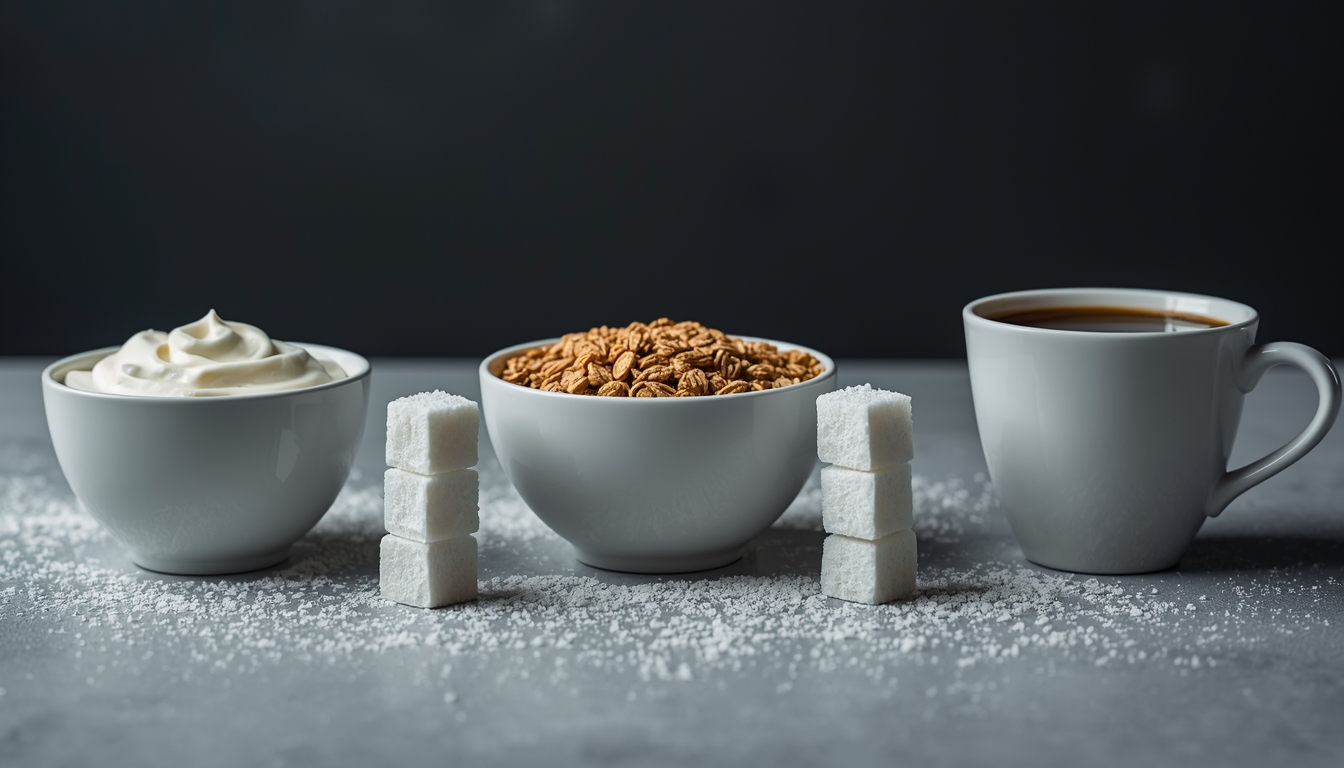
You're Eating WAY More Sugar Than You Think: Here's Where It's Hiding
That 'healthy' yogurt has more sugar than a donut. Your morning coffee is basically dessert. Here's how to find the hidden sugar in everyday foods and how much is actually okay.
Read article →
Health Calculators That Could Help in an Emergency: What to Know Before You Need It
When minutes matter, having the right information about your body can make all the difference. Here's how simple health calculators can help in unexpected situations.
Read article →
First Trimester Survival Guide: What No One Tells You About Weeks 1-12
From the exhaustion that hits like a truck to the weird food aversions nobody warned you about. Here's what actually happens in the first trimester and how to survive it.
Read article →
What Is Leucovorin? Why Everyone's Talking About This Drug and Autism
Leucovorin is all over social media right now. Parents are sharing stories, and the FDA just made a major announcement. Here's what you need to know about this medication and its connection to autism.
Read article →
Understanding Autism Spectrum Disorder: Signs, Support, and What Every Parent Should Know
Worried about your child's development? Here's what autism spectrum disorder really means, early signs to watch for, how diagnosis works, and where to find support.
Read article →
How to Reduce Stress: Simple Ways to Calm Your Mind and Protect Your Health
Feeling overwhelmed, anxious, or just burned out? Here's why stress is so hard on your body, how it affects your heart and brain, and what actually works to calm down in real life.
Read article →
What to Eat After Cancer: A Survivor's Guide to Food, Healing, and Moving Forward
Worried about what to eat after a cancer diagnosis? Here's a practical guide to healthy foods, what to avoid, nourishing drinks, and simple habits that help survivors feel stronger every day.
Read article →
How to Increase Testosterone Naturally: Foods, Workouts, and Lifestyle Changes That Actually Work
Low energy? Struggling in the gym? Here's how to boost your testosterone naturally with simple food swaps, effective workouts, and daily habits that make a real difference.
Read article →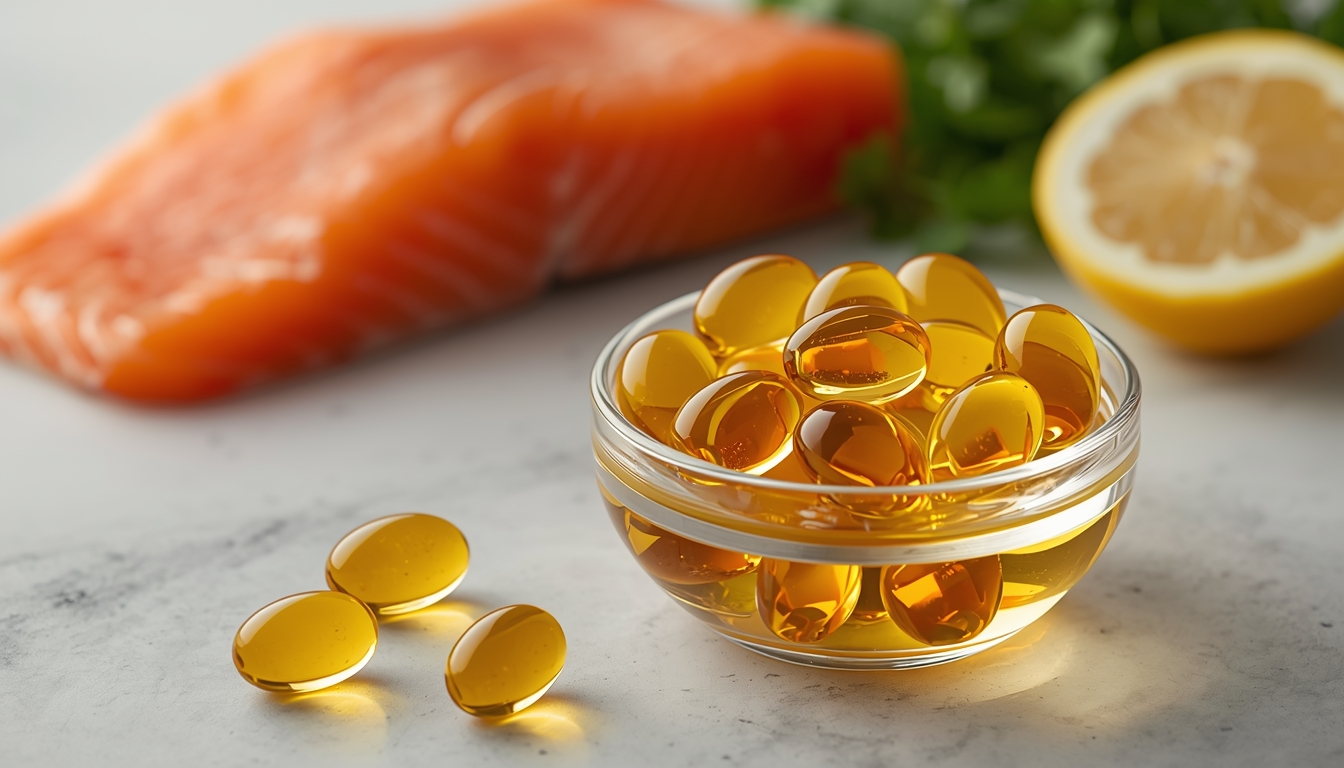
Fish Oil Benefits: What It Does for Men, Women, Your Heart, Brain, and Hormones
Wondering if fish oil is worth the hype? Here's what omega-3s actually do for your heart, brain, testosterone, cholesterol, and stress levels—plus how to choose the right one.
Read article →
Foods That Support Healthy Ovulation: What to Eat for Hormone Balance and Regular Cycles
Struggling with irregular ovulation or anovulatory cycles? Here's what to eat to support hormone balance, improve egg quality, and get your cycle back on track naturally.
Read article →
Best Way to Eat Eggs: Boiled, Fried, Omelet, or Raw? How Cooking Method Changes Nutrition
Boiled, half-boiled, omelet, or fried? Here's how different cooking methods affect protein absorption, nutrition, and safety plus who should eat eggs and who should avoid them.
Read article →
Easy Stress Relief at Home: Simple Things That Actually Calm Your Mind
No complicated routines or expensive gadgets. Here are simple ways to relieve stress at home using music, meditation, crafts, and small shifts in how you think.
Read article →
Natural Cough Remedies: What Actually Works for Nighttime Cough, Sore Throat, and Chest Congestion
That tickle in your throat keeping you awake? Here are natural cough remedies that work, from ginger at night to hot water with honey, plus when to reach for a trusted syrup.
Read article →
Antibiotics: What They Treat, How They Work, and Why You Need to Take Them Correctly
Wondering if you need antibiotics for that cough or sore throat? Here's what antibiotics actually treat, how they work, common types, and why finishing the full prescription matters.
Read article →
Diet Plan for Women: Simple Food Guidelines That Work With Your Body, Not Against It
Tired of diets that ignore your hormones, your cycle, and your real life? Here's a sustainable eating plan for women that actually works with your body's natural rhythms.
Read article →
How to Stay Hydrated in Hot Weather: A Guide for Kids, Adults, and Pregnant Women
Summer heat is coming. Here's how much water everyone in your family needs from kids to pregnant women and simple tips to keep everyone hydrated when temperatures rise.
Read article →
El Niño Is Coming: How to Stay Safe, Hydrated, and Healthy in the Months Ahead
El Niño is bringing extreme heat and unpredictable weather. Here's what it means for your health, how much water you need, and simple ways to protect your family.
Read article →What Is BMI? Simple Guide to Body Mass Index
Learn what BMI means, how to calculate it, and what your BMI number says about your health.
Read article →How to Lower BMI: 7 Simple Steps That Actually Work
Trying to lower your BMI? Here's what works - no crash diets, no gimmicks. Simple steps, real examples, and tools to track your progress.
Read article →What Is BMR? Simple Guide to Your Metabolism
Learn what BMR means, why it matters for weight, and how to calculate yours.
Read article →Ideal Weight for Your Height: Simple Formulas
Find your healthy weight range based on height. Simple formulas and practical tips.
Read article →BMI vs Body Fat: Which One Actually Matters More?
BMI says one thing. Body fat says another. Here's how to know which number to trust for your health.
Read article →BMI Calculator Limitations: 10 Factors Not Considered
BMI doesn't tell the full story. Learn what factors your BMI calculator ignores and what measurements are more accurate for health assessment.
Read article →Why Water Intake Is Important: 7 Reasons Your Body Needs It
Water does more than just quench your thirst. Here's why drinking enough matters for energy, weight loss, skin, and overall health.
Read article →Superfoods for Heart Health: 10 Foods Cardiologists Actually Eat
Want a healthier heart? Here are 10 superfoods cardiologists swear by. Simple, delicious, and backed by science - plus tools to track your progress.
Read article →Weight Loss for Women at Home: 7 Things That Actually Work
Trying to lose weight at home? Here's what works for real women - no gym required. Simple steps, honest advice, and tools to track your progress.
Read article →Healthy Weight for Women in Their 30s: What Actually Works
Wondering what a healthy weight looks like for women in their 30s? Here's what changes after 30 and how to find your ideal weight range.
Read article →Healthy BMI for Women by Age: What's Normal in Your 20s, 30s, 40s, 50s and Beyond
Wondering what a healthy BMI looks like for women at different ages? Here's exactly how your ideal weight range changes from your 20s through your 70s and beyond.
Read article →Morning Routine for Weight Loss: 7 Simple Habits That Actually Work
Want to lose weight without crazy diets? Here's exactly what to do in the first hour after waking up to boost metabolism, burn fat, and feel great all day.
Read article →How to Increase Fertility Naturally: 11 Science-Backed Ways to Boost Your Chances of Getting Pregnant
Wondering how to boost your fertility naturally? From the best foods to eat for ovulation to lifestyle changes that actually work, here's what you need to know.
Read article →How Much Water Should You Drink During Pregnancy? A Complete Guide for Every Trimester
Wondering how much water you really need while pregnant? From first trimester nausea to third trimester swelling, here's exactly how to stay hydrated for you and baby.
Read article →Heart Disease Symptoms, Causes, and the New Treatments Changing Everything (Including AI)
Chest pain? Shortness of breath? Here's what your symptoms mean, plus the latest breakthroughs in heart care—from AI that predicts heart attacks to new meds and high-tech sensors.
Read article →Heart Attacks in Young People: Why It's Happening and What You Can Do About It
Young men and women in their 20s, 30s, and 40s are having heart attacks at alarming rates. Here's why lifestyle, stress, and food choices are to blame—and how to protect yourself.
Read article →Waist-to-Height Ratio: The Simple Number That Tells You More Than BMI
Forget complicated health metrics. Your waist-to-height ratio takes two seconds to measure and might predict your health risks better than BMI. Here's how to do it.
Read article →Healthy Sleep Habits: How to Fall Asleep Faster, Stay Asleep Longer, and Wake Up Refreshed
Struggling to fall asleep or wake up tired? Here's exactly how to fix your sleep schedule, create the perfect bedtime routine, and finally get the rest your body needs.
Read article →How Much Can You REALLY Lift? Here's How to Find Out Without Crashing
Everyone at the gym wonders how much they could bench if they went all out. But going for a true max is risky. Here's the smarter way to find your real strength.
Read article →You're Eating WAY More Sugar Than You Think: Here's Where It's Hiding
That 'healthy' yogurt has more sugar than a donut. Your morning coffee is basically dessert. Here's how to find the hidden sugar in everyday foods and how much is actually okay.
Read article →Health Calculators That Could Help in an Emergency: What to Know Before You Need It
When minutes matter, having the right information about your body can make all the difference. Here's how simple health calculators can help in unexpected situations.
Read article →First Trimester Survival Guide: What No One Tells You About Weeks 1-12
From the exhaustion that hits like a truck to the weird food aversions nobody warned you about. Here's what actually happens in the first trimester and how to survive it.
Read article →What Is Leucovorin? Why Everyone's Talking About This Drug and Autism
Leucovorin is all over social media right now. Parents are sharing stories, and the FDA just made a major announcement. Here's what you need to know about this medication and its connection to autism.
Read article →Understanding Autism Spectrum Disorder: Signs, Support, and What Every Parent Should Know
Worried about your child's development? Here's what autism spectrum disorder really means, early signs to watch for, how diagnosis works, and where to find support.
Read article →How to Reduce Stress: Simple Ways to Calm Your Mind and Protect Your Health
Feeling overwhelmed, anxious, or just burned out? Here's why stress is so hard on your body, how it affects your heart and brain, and what actually works to calm down in real life.
Read article →What to Eat After Cancer: A Survivor's Guide to Food, Healing, and Moving Forward
Worried about what to eat after a cancer diagnosis? Here's a practical guide to healthy foods, what to avoid, nourishing drinks, and simple habits that help survivors feel stronger every day.
Read article →How to Increase Testosterone Naturally: Foods, Workouts, and Lifestyle Changes That Actually Work
Low energy? Struggling in the gym? Here's how to boost your testosterone naturally with simple food swaps, effective workouts, and daily habits that make a real difference.
Read article →Fish Oil Benefits: What It Does for Men, Women, Your Heart, Brain, and Hormones
Wondering if fish oil is worth the hype? Here's what omega-3s actually do for your heart, brain, testosterone, cholesterol, and stress levels—plus how to choose the right one.
Read article →Foods That Support Healthy Ovulation: What to Eat for Hormone Balance and Regular Cycles
Struggling with irregular ovulation or anovulatory cycles? Here's what to eat to support hormone balance, improve egg quality, and get your cycle back on track naturally.
Read article →Best Way to Eat Eggs: Boiled, Fried, Omelet, or Raw? How Cooking Method Changes Nutrition
Boiled, half-boiled, omelet, or fried? Here's how different cooking methods affect protein absorption, nutrition, and safety plus who should eat eggs and who should avoid them.
Read article →Easy Stress Relief at Home: Simple Things That Actually Calm Your Mind
No complicated routines or expensive gadgets. Here are simple ways to relieve stress at home using music, meditation, crafts, and small shifts in how you think.
Read article →Natural Cough Remedies: What Actually Works for Nighttime Cough, Sore Throat, and Chest Congestion
That tickle in your throat keeping you awake? Here are natural cough remedies that work, from ginger at night to hot water with honey, plus when to reach for a trusted syrup.
Read article →Antibiotics: What They Treat, How They Work, and Why You Need to Take Them Correctly
Wondering if you need antibiotics for that cough or sore throat? Here's what antibiotics actually treat, how they work, common types, and why finishing the full prescription matters.
Read article →Diet Plan for Women: Simple Food Guidelines That Work With Your Body, Not Against It
Tired of diets that ignore your hormones, your cycle, and your real life? Here's a sustainable eating plan for women that actually works with your body's natural rhythms.
Read article →How to Stay Hydrated in Hot Weather: A Guide for Kids, Adults, and Pregnant Women
Summer heat is coming. Here's how much water everyone in your family needs from kids to pregnant women and simple tips to keep everyone hydrated when temperatures rise.
Read article →El Niño Is Coming: How to Stay Safe, Hydrated, and Healthy in the Months Ahead
El Niño is bringing extreme heat and unpredictable weather. Here's what it means for your health, how much water you need, and simple ways to protect your family.
Read article →Learn More About Calories & Metabolism
Explore All Health Calculators
From BMI to heart rate, we've got every calculator you need for your health journey.
Heart & Fitness
TDEE Calculator: How Many Calories You Really Burn Each Day
What is TDEE? (And Why It's the Only Number You Need)
TDEE stands for Total Daily Energy Expenditure - fancy talk for "all the calories you burn in a day." Every breath you take, every step you walk, every time you digest food, even while you sleep - it all adds up to your TDEE.
Here's the simple version: TDEE is the number on the scale that actually matters. Eat more than your TDEE? You gain weight. Eat less? You lose weight. Eat the same? Your weight stays put. It's that straightforward.
TDEE vs. BMR: What's the Difference?
BMR (Basal Metabolic Rate) is what you'd burn if you stayed in bed all day - just staying alive.
TDEE is BMR + everything else - walking, exercise, digestion, fidgeting.
Example: BMR of 1,600 + 400 daily activity = TDEE of 2,000
Why TDEE is Your Weight Management GPS
- Know your TDEE = Know exactly how much to eat
- Stop guessing if you're eating too much or too little
- Adjust with precision when weight loss stalls
The 4 Things That Make Up Your TDEE
BMR
Basal Metabolic Rate (60-75%)
Calories for basic life support: breathing, heartbeat, brain function, cell repair. You burn this even in a coma.
NEAT
Non-Exercise Activity (15-30%)
All movement that's not exercise: walking to the car, fidgeting, standing, chores, typing. This varies wildly between people.
TEF
Thermic Effect of Food (10%)
Calories burned digesting food. Protein burns the most (20-30%), fat burns the least (0-3%).
EAT
Exercise Activity (5-10%)
Intentional exercise: gym workouts, running, sports. The smallest piece of the pie for most people.
The NEAT Secret: Two people with the same job and exercise routine can have TDEE differences of 500-1,000 calories just from NEAT. The person who paces on phone calls, stands at their desk, and fidgets burns way more than the one who sits perfectly still. Small movements add up big time!
Activity Levels: Pick the Right One (Most People Get This Wrong)
This is where most people mess up their TDEE. They pick "moderate" when they're actually "lightly active." Be honest with yourself - it's better to underestimate and adjust up than overestimate and wonder why you're gaining weight.
Sedentary
Desk job, little to no exercise
Lightly Active
Light exercise 1-3x/week or standing job
Moderately Active
Moderate exercise 3-5x/week
Very Active
Hard exercise 6-7x/week or physical job
Super Active
Athlete training twice/day, very physical job
Reality check: Most people pick "moderate" when they're actually "lightly active." If you're not sure, pick the lower option. You can always eat more if you're losing too fast. You can't undo gaining 5 lbs from overestimating.
Your TDEE-Based Calorie Goals
Weight Loss
Never eat below BMR long-term without medical supervision.
Maintenance
Recalculate every 10 lbs - your TDEE changes as your weight changes.
Weight/Muscle Gain
For muscle gain: Pair surplus with progressive overload training.
The 3,500-calorie rule: One pound of fat ≈ 3,500 calories. A 500-calorie daily deficit = about 1 lb lost per week. This is simplified - actual results vary based on body composition, water retention, and metabolic adaptations.
Macronutrients: What to Eat With Your TDEE
Calories are just the first step. What those calories are made of matters for how you feel, perform, and look.
Weight Loss
2.0-2.4g/kg - preserves muscle
Prioritize fiber, complex carbs
Essential for hormones
Maintenance
1.2-1.6g/kg
Primary energy source
0.8-1.0g/kg
Muscle Gain
1.6-2.2g/kg
Fuel for workouts
Hormone support
Sample TDEE & Macro Targets
8 Things That Change Your TDEE (Some You Can Control)
Muscle Mass
+30-50 kcal per kg of muscle. Biggest controllable factor.
Age
-1-2% per decade after 20 (mostly from muscle loss).
Gender
Men average 10-15% higher TDEE due to more muscle.
Body Size
Larger bodies = more calories, even at rest.
Sleep
Poor sleep drops TDEE 5-10% next day + increases hunger.
Temperature
Cold exposure can increase TDEE 5-15% (shivering/NEAT).
Caffeine
+3-5% TDEE for 2-3 hours after consumption.
Thyroid
Hyper: +30-60%, Hypo: -30-50% TDEE.
How to Find Your REAL TDEE (Not Just an Estimate)
Calculators give you a starting point. Here's how to dial in your exact numbers:
The 4-Week Method
- 1Get estimated TDEE from calculator
- 2Eat that many calories daily for 2 weeks
- 3Track weight weekly (same time/conditions)
- 4If weight stable, that's your maintenance
- 5Adjust ±100-200 based on results
When to Recalculate
- Every 10-15 lbs lost or gained
- When your activity level changes significantly
- After 4-6 weeks of plateau
- After pregnancy or major life changes
Pro Tip: Our calculator saves your results. Use the "Compare" feature to see how your TDEE changes as you progress.
TDEE Myths vs. Facts
Myth: Eating small meals boosts metabolism
Meal frequency doesn't significantly affect TDEE. Total calories matter, not timing.
Fact: TDEE drops as you lose weight
Less body mass = less energy needed. Recalculate every 10-15 lbs lost.
Myth: All calories are equal
Protein burns more calories to digest (20-30%) than carbs (5-10%) or fat (0-3%).
Fact: Muscle increases TDEE 24/7
Each pound of muscle burns 6-10 calories daily at rest. Five pounds = 30-50 calories.
Myth: Metabolism crashes at 30
Age-related decline is mostly from muscle loss. Strength training prevents it.
Fact: NEAT is the biggest variable
NEAT can vary by 2,000 calories between sedentary and active people.
Frequently Asked Questions About TDEE
Q:How accurate are TDEE calculators?
A:They're about 85-95% accurate for most people if you're honest about your activity level. The Mifflin-St Jeor equation (what we use) is the most accurate formula. But they're still estimates - your actual TDEE might be 100-200 calories off. That's why tracking your results and adjusting is important.
Q:Should I eat back exercise calories?
A:Only if you're hungry or under-fueled. Most people choose an activity level that already accounts for exercise (like "moderate" if you exercise 3-5x/week). If you track exercise separately, only eat back 50-75% of estimated calories - fitness trackers often overestimate burn by 20-50%.
Q:Why is my TDEE lower than I expected?
A:Most people overestimate their activity level. If you have a desk job and workout 3x/week, you're probably "lightly active" (1.375), not "moderate" (1.55). Also, smaller bodies, less muscle, and being older all lower TDEE. Use the lower multiplier and adjust up if needed.
Q:How do I find my TDEE without a calculator?
A:Track everything you eat for 2 weeks while weighing yourself daily. If your weight is stable, your average daily calories = your TDEE. If you gained weight, subtract 3,500 calories per pound gained and divide by 14 days. If you lost weight, add that amount. This is the most accurate method.
Q:Does TDEE change during menstrual cycle?
A:Yes, slightly. Some women burn 5-10% more calories during the luteal phase (week before period). You might notice more hunger then - it's normal. Don't stress about it, just listen to your body.
Q:Should I use the same TDEE every day?
A:Your TDEE varies day-to-day based on activity, but you don't need to track it daily. Use your average weekly TDEE as a target. Some people like "calorie cycling" - eating more on workout days and less on rest days - but it's not necessary for results.
Q:Can I increase my TDEE?
A:Yes! Best ways: (1) Build muscle - each pound burns 6-10 extra calories daily (2) Increase NEAT - walk more, stand, fidget (3) Eat enough protein - higher TEF (4) Get good sleep - prevents metabolic slowdown (5) HIIT cardio - can elevate metabolism for hours after.
Q:What's the difference between TDEE and maintenance calories?
A:They're the same thing! Your maintenance calories = your TDEE. It's the number where your weight stays stable. From there, subtract for weight loss, add for weight gain.
Calculators That Work With TDEE
Stop Guessing. Start Knowing.
Get your personalized TDEE in 30 seconds. Know exactly how many calories you need for your goals - whether it's weight loss, maintenance, or muscle gain.
Trusted by 300,000+ users monthly • No registration • 100% private