How to Reduce Stress: Simple Ways to Calm Your Mind and Protect Your Health

How to Reduce Stress: Simple Ways to Calm Your Mind and Protect Your Health
My brother called me at 9 PM last night, and I could hear it in his voice immediately. That tight, tired, overwhelmed sound. He's been working 60-hour weeks, sleeping five hours a night, living on coffee and takeout. His wife told him he needs to relax. His doctor told him his blood pressure is creeping up. He knows he needs to change something, but he's too exhausted to figure out what.
Sound familiar?
Here's the thing about stress: it's not just in your head. It's in your body. Your heart. Your gut. Your brain. And if you don't find ways to manage it, it will eventually manage you.
Let me walk you through what stress actually does to your body, why it's so dangerous, and the simple things that actually help real people calm down.
What Is Stress Actually Doing to Your Body?
When you're stressed, your body thinks it's under attack. That ancient fight-or-flight response kicks in the same one that helped your ancestors outrun saber-toothed tigers.
Here's what happens inside:
- Your heart beats faster
- Blood pressure shoots up
- Stress hormones (cortisol and adrenaline) flood your system
- Your muscles tense up
- Digestion slows down or stops
- Your immune system goes on high alert
This response is great if you're actually running from danger. But when you're sitting in traffic, stressing about work, or worrying about money, that same response happens and never turns off.
Short-term stress (like a deadline or a near-miss in traffic) won't hurt you. Your body handles it and moves on.
Chronic stress (the kind that lasts weeks, months, or years) is what damages your body over time.
How Stress Wrecks Your Heart
This is the scary part that most people don't realize until it's too late. Chronic stress is brutal on your cardiovascular system.
What happens to your heart over time:
- Your blood pressure stays elevated, damaging artery walls
- Constant cortisol promotes inflammation throughout your body
- Stress hormones make your heart work harder, faster, and less efficiently
- Plaque builds up faster in stressed arteries
- Blood clots are more likely to form
My uncle learned this the hard way at 52. High-stress job, never took time off, thought relaxation was for other people. He had a mild heart attack out of nowhere. His cardiologist said, "Your arteries look 70 years old." The stress had aged them decades.
Warning signs your heart is struggling with stress:
- Chest tightness or discomfort that comes and goes
- Heart palpitations or feeling like your heart is racing
- Shortness of breath even when you're not exercising
- High blood pressure that won't come down
Track your heart health: Use our BMI Calculator to know your baseline risk. Check your Body Fat Calculator belly fat is especially linked to stress hormones. And monitor your BMR Calculator to understand your metabolic health.
How Stress Affects Your Brain
Your brain takes a huge hit from chronic stress too. It changes the way you think, feel, and function.
The brain on stress:
- The part that handles memory (hippocampus) actually shrinks over time
- The fear center (amygdala) gets bigger and more reactive
- You become more anxious, more easily overwhelmed
- Decision-making gets harder
- Sleep quality plummets
- Depression risk goes way up
My sister went through this after a rough few years. She couldn't remember things she used to know. She'd walk into a room and forget why. She thought something was seriously wrong with her brain. Turns out, it was just stress. Once she started managing it, her memory came back.
Warning signs your brain is stressed:
- Can't focus or concentrate
- Forgetful or scatterbrained
- Constant worry or racing thoughts
- Irritability over small things
- Trouble making decisions
- Feeling like you're going crazy
Why You Can't "Just Relax"
Here's something that drives me crazy. When you tell a stressed person to "just relax" or "take it easy," it doesn't help. It actually makes them feel worse because now they're stressed about being stressed.
The problem is that chronic stress changes your nervous system. Your "off switch" gets stuck. You literally can't calm down the way you used to.
This is why you need actual strategies, not just good intentions.
Simple Things That Actually Work (Real People, Real Results)
I asked everyone I know what actually helps them calm down. Not what they're supposed to do. What actually works. Here's what they said:
Move Your Body (Even a Little)
Exercise is the closest thing we have to a stress antidote. It burns off stress hormones and releases endorphins that make you feel better.
What real people do:
- My neighbor walks for 15 minutes after dinner. Every night. Says it clears her head.
- My brother-in-law does pushups when he's stressed. Just drops and does 20. Says it resets him.
- My friend with three kids does yoga on YouTube for 10 minutes after they're in bed.
You don't need a gym membership or an hour. Just move.
Breathe Like You Mean It
This sounds too simple to work, but it's backed by real science. Deep breathing activates your parasympathetic nervous system—that's your "rest and digest" mode.
Try this:
- Inhale through your nose for 4 seconds
- Hold for 4 seconds
- Exhale through your mouth for 6 seconds
- Repeat 5 times
My cousin does this in her car before walking into work. Says it's the only thing that keeps her from losing it on difficult days.
Get Outside
Nature has a calming effect that's hard to explain but real. Something about green space, fresh air, and not staring at screens resets your brain.
What works:
- 10 minutes outside without your phone
- A walk in a park if you have one
- Even sitting on a porch or balcony helps
- Gardening if that's your thing
My uncle who had the heart attack? His doctor "prescribed" walking outside for 20 minutes daily. He thought it was silly. He does it every day now and says it's the best part of his routine.
Set Boundaries (The Hard One)
Most of our stress comes from saying yes when we should say no. From being available 24/7. From letting work bleed into every hour.
Real boundaries people use:
- No work emails after 7 PM
- Phone on Do Not Disturb during dinner
- One day on weekends with no obligations
- Learning to say "I can't take that on right now"
My mentor once told me: "You teach people how to treat you." If you're always available, always saying yes, always picking up the slack—you're training people to expect that.
Sleep (Non-Negotiable)
When you're sleep-deprived, everything feels worse. Your patience is thinner. Your worries are bigger. Your body produces more stress hormones.
Most adults need 7-9 hours. If you're getting less, you're running on empty.
Sleep tips that work:
- Same bedtime, same wake time (even weekends)
- No phones in bed (the blue light messes with melatonin)
- Cool, dark room
- Wind-down routine, even 15 minutes
Figure out your ideal sleep: Use our Sleep Calculator to know exactly when to go to bed based on when you need to wake up.
Connect With People (Not Screens)
Humans are wired for connection. When you're stressed, isolation makes it worse. Talking to someone who gets it actually lowers stress hormones.
What helps:
- Call a friend instead of texting
- Have dinner with family (no phones at the table)
- Join something—a class, a group, a team
- Just being around people helps, even if you don't talk much
My sister calls her college roommate every Sunday. They've done it for 15 years. She says that hour keeps her sane.
Watch What You Put In Your Body
What you eat and drink affects how you handle stress. Some things make it worse.
Things that make stress worse:
- Too much caffeine (jitters + anxiety = bad combo)
- Alcohol (helps short-term, crashes sleep and mood later)
- Sugar (blood sugar spikes and crashes = mood swings)
- Skipping meals (hangry is real)
Things that help:
- Protein at meals (stabilizes blood sugar)
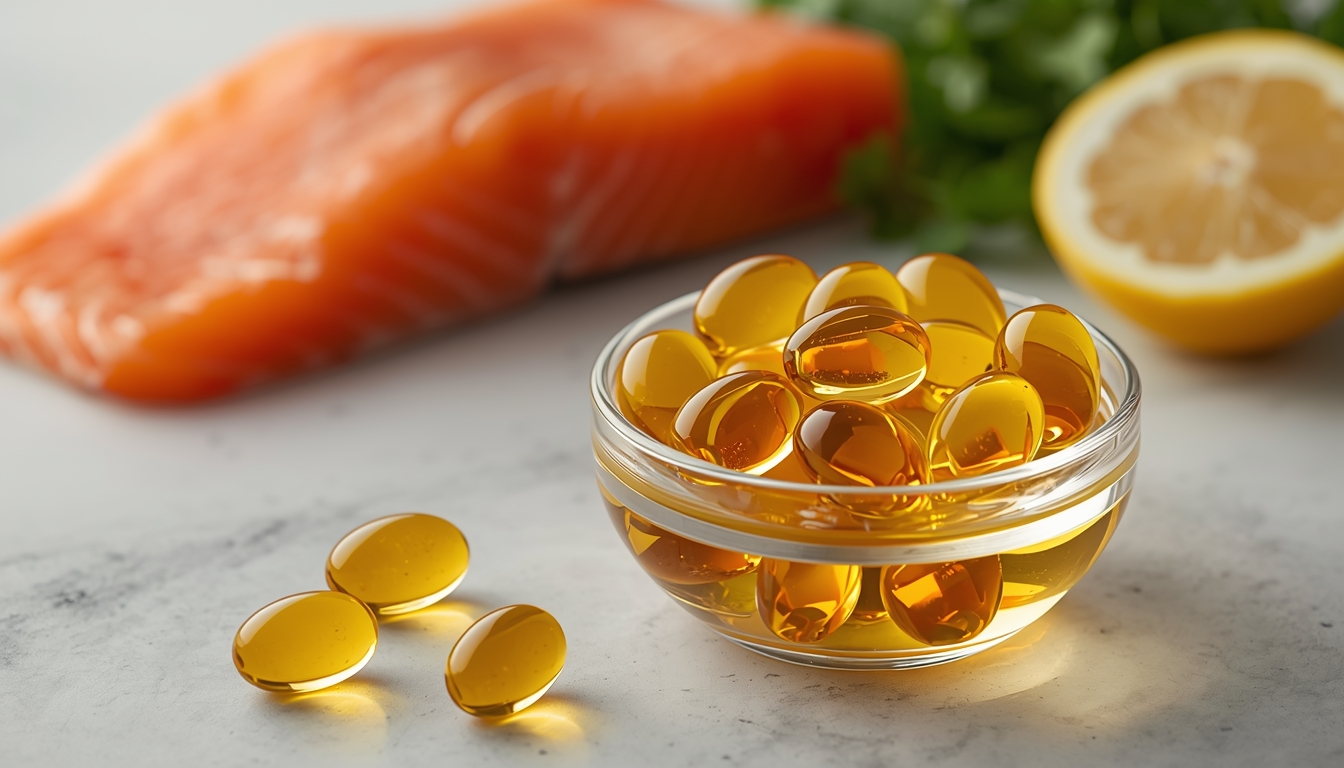
- Omega-3s (found in fish, walnuts, flaxseed)
- Magnesium (leafy greens, nuts, seeds)
- Water (dehydration feels like stress)
Track your fuel: Use our Water Intake Calculator to make sure you're hydrated. Check your BMR Calculator to know if you're eating enough. Use the Sugar Calculator to see if hidden sugar is making things worse.
Do Something That's Just for You
When you're constantly giving to others—work, family, responsibilities you run dry. You need something that fills you back up.
Examples from real people:
- My friend reads for 20 minutes before bed. No exceptions.
- My brother plays guitar. Badly. Doesn't matter.
- My neighbor paints rocks and hides them for kids to find.
- I write. Just for me. Not for anyone else.
It doesn't have to be productive. It just has to be yours.
What to Do When You're in Crisis Mode
Sometimes stress hits hard and fast. A crisis at work. Bad news. A fight with someone you love. In those moments, you need immediate help.
Try this right now:
- Stop what you're doing
- Take 5 deep breaths (slow, from your belly)
- Name 5 things you can see
- Name 4 things you can touch
- Name 3 things you can hear
- Name 2 things you can smell
- Name 1 thing you can taste
This grounding technique forces your brain out of panic mode and back into the present. It works.
How to Know If You Need More Help
Sometimes stress becomes something bigger. Anxiety disorders, depression, burnout these are real medical conditions that need professional help.
When to see a doctor or therapist:
- You can't sleep for weeks
- You're anxious every day
- You feel hopeless or numb
- You're using alcohol or drugs to cope
- You have thoughts of hurting yourself
- Physical symptoms won't go away (headaches, stomach issues, chest pain)
There's no shame in getting help. Your brain is an organ. Sometimes it needs treatment just like any other organ.
Questions People Actually Ask About Stress
Q: How do I know if my stress is normal or too much? A: Normal stress comes and goes. It's tied to specific situations. Too much stress is constant, never lets up, and affects your sleep, mood, and physical health.
Q: Can stress really cause a heart attack? A: Yes. Chronic stress damages your heart over time. Acute stress (like a sudden shock) can trigger a heart attack in vulnerable people.
Q: Why can't I sleep when I'm stressed? A: Your brain stays in alert mode. It can't shut off. That's why stress management during the day helps sleep at night. Use our Sleep Calculator to build a routine.
Q: Does stress make you gain weight? A: Yes. Cortisol (stress hormone) tells your body to store fat, especially around your middle. It also makes you crave high-sugar, high-fat foods. Check your Body Fat Calculator to track changes over time.
Q: What's the fastest way to calm down? A: Deep breathing. Right now. Inhale 4 seconds, hold 4, exhale 6. Do it 5 times. It forces your nervous system to shift gears.
Q: Can stress cause memory problems? A: Absolutely. Chronic stress actually shrinks the part of your brain responsible for memory. The good news: it comes back when stress is managed.
Q: I don't have time to relax. What do I do? A: You don't need an hour. You need 5 minutes. Five minutes of breathing, walking, or sitting without a phone. Everyone has 5 minutes.
Q: Does exercise really help with stress? A: More than almost anything. It burns off stress hormones and releases feel-good chemicals. Even 10 minutes helps.
Q: How do I stop worrying about things I can't control? A: Ask yourself: "Can I do something about this right now?" If yes, do it. If no, practice letting it go. Not easy, but it gets easier with practice.
Your Stress Management Action Plan
Today:
- Take 5 deep breaths right now
- Drink a full glass of water
- Go outside for 5 minutes
- Put your phone away 30 minutes before bed
This Week:
- Move your body for 15 minutes every day
- Say no to one thing you don't have to do
- Call someone who makes you feel better
- Use our Sleep Calculator to set a consistent bedtime
This Month:
- Try one new stress-relief activity (yoga, walking, journaling)
- Check your numbers: BMI Calculator , Body Fat Calculator , BMR Calculator
- Notice what triggers your stress and plan around it
- If you're struggling, talk to someone—friend, family, or professional
The Bottom Line
My brother who was working 60-hour weeks and running on coffee? He finally crashed. Not a heart attack, thank God, but close. His body forced him to stop.
Now he walks every evening. He leaves work at a reasonable hour. He actually takes weekends off. His blood pressure is down. He sleeps better. And you know what? His work didn't fall apart. He's actually more productive because he's not running on empty.
Here's the truth: you can't pour from an empty cup. You can't take care of anyone else if you're falling apart. You can't do your best work if you're running on stress hormones and no sleep.
Stress isn't going away. Life is always going to have demands. But you can change how you respond to it. You can build habits that protect your heart and your mind.
Start small. Pick one thing from this list and do it today. Just one.
Your heart will thank you. Your brain will thank you. And the people who love you will thank you too.
This article is for informational purposes only and isn't medical advice. If you're struggling with severe stress, anxiety, or depression, please reach out to a mental health professional.