Back to Home

Waist-to-Height Ratio: The Simple Number That Tells You More Than BMI
March 20, 2024
Waist-to-Height Ratio: The Simple Number That Tells You More Than BMI

Waist-to-Height Ratio: The Simple Number That Tells You More Than BMI

Let me tell you about my friend Dave. Dave is 42, works out a few times a week, and by BMI standards, he's "overweight." Has been for years. His doctor never worried because Dave's blood work always came back great.

But last year, Dave's new doctor measured his waist. Then divided it by his height. "Dave," she said, "this number is more important than your BMI."

Turns out, where you carry your weight matters way more than how much you weigh. And waist-to-height ratio is the simplest way to track it.

Here's the thing they don't tell you: You can have a "normal" BMI and still be at risk if you carry weight around your middle. Or you can have a "high" BMI like Dave and be perfectly fine because your weight is distributed differently.

Let me walk you through exactly what waist-to-height ratio is, how to measure it, and why you might want to start paying attention to it.

What Is Waist-to-Height Ratio?

It's exactly what it sounds like. You measure your waist, you measure your height, and you divide one by the other.

The formula: Waist circumference ÷ Height = Your number

That's it. No complicated math. No special equipment. Just a tape measure and 30 seconds.

The goal: Keep your number under 0.5. That means your waist is less than half your height.

Why This Number Matters More Than You Think

Here's what researchers have figured out: belly fat is different from fat stored elsewhere.

Fat around your middle (especially the deep stuff surrounding your organs, called visceral fat) is biologically active. It pumps out inflammatory substances that mess with your:

  • Blood pressure
  • Cholesterol levels
  • Blood sugar control
  • Heart health

Fat on your hips and thighs? Mostly harmless. Annoying maybe, but not dangerous.

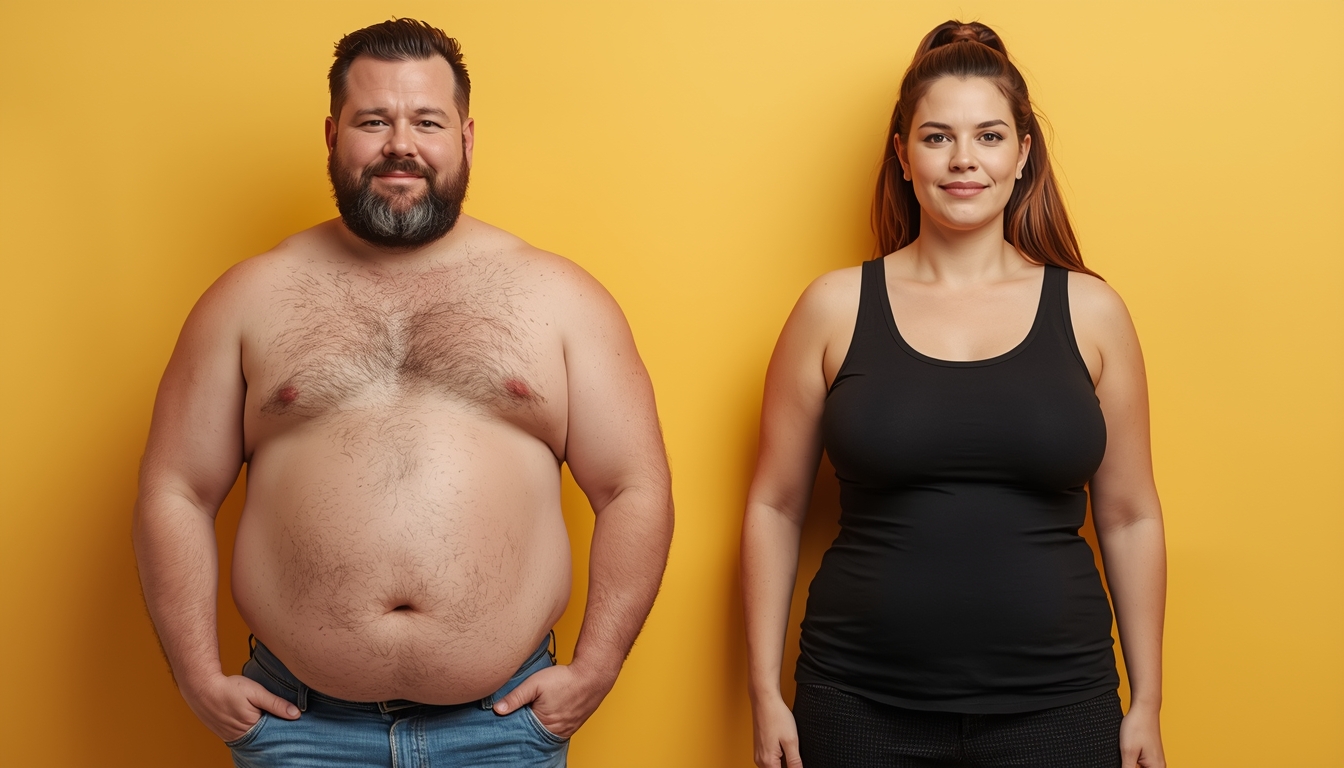
This is why two people can weigh the same and have completely different health risks. It's not about how much fat you have—it's about where it lives.

The research: Multiple large studies have found that waist-to-height ratio predicts heart disease, diabetes, and early death better than BMI. One study called it "a more sensitive screening tool than BMI" for identifying health risks .

How to Measure Your Waist Correctly (Most People Do It Wrong)

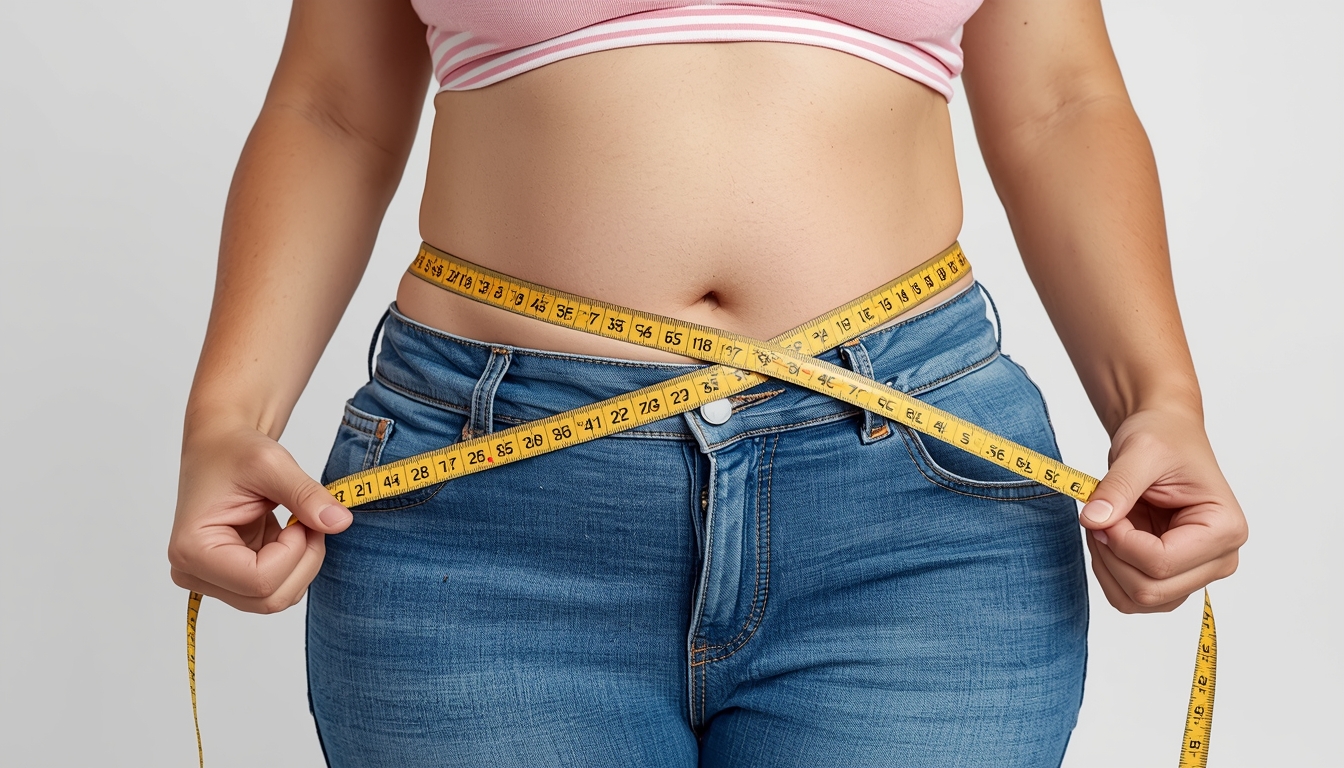
Grab a tape measure. Not the metal one from your toolbox—a soft sewing tape measure works best.

Step-by-step:

  1. Stand up straight
  2. Find your last rib (bottom of your ribcage)
  3. Find the top of your hip bone
  4. The spot halfway between them? That's where you measure
  5. Wrap the tape around, right at belly button level usually
  6. Breathe out normally, then measure
  7. Tape should be snug but not digging in

Don't:

  • Suck in your stomach (cheater!)
  • Measure over thick clothes
  • Use a stretched-out old tape measure
  • Guess

Do:

  • Measure in the morning before eating
  • Use the same tape measure each time
  • Write it down so you remember

What Your Number Means

Once you have your measurement, divide it by your height (use the same units—inches divided by inches, cm divided by cm).

The quick guide:

  • Under 0.4: Very low risk (possibly underweight)
  • 0.4 to 0.49: Healthy range, low risk
  • 0.5 to 0.59: Increased risk
  • 0.6 or higher: High risk

The magic number is 0.5. Keep your waist less than half your height.

Real examples:

  • Sarah is 5'4" (64 inches). Her waist is 30 inches. 30 ÷ 64 = 0.47. She's in the healthy zone.
  • Mike is 5'10" (70 inches). His waist is 38 inches. 38 ÷ 70 = 0.54. He's in the increased risk zone.
  • Dave (my friend from earlier) is 5'9" (69 inches). His waist is 34 inches. 34 ÷ 69 = 0.49. Right at the cutoff.

Want an easier way? Just use our Waist-to-Height Calculator . Plug in your numbers and it does the math for you.

Why This Beat's BMI for Regular People

BMI was invented in the 1830s by a mathematician who wasn't even a doctor. It's fine for looking at large groups of people, but for individuals? It misses a lot.

What BMI gets wrong:

  • Doesn't know if weight is muscle or fat
  • Doesn't know where fat is located
  • Penalizes muscular people
  • Misses "skinny fat" people (normal weight but high body fat)

What waist-to-height gets right:

  • Focuses on the fat that actually matters
  • Works for all body types
  • No complicated math
  • One number to remember (0.5)
  • Free and takes 30 seconds

My sister's story: She's 5'6", 145 pounds. BMI says 23.4—perfectly normal. But her waist is 34 inches. 34 ÷ 66 = 0.52. That puts her in the increased risk category. She'd been wondering why her energy was low and blood work was borderline. The belly fat was the clue.

Who Should Pay Attention to This Number?

Honestly? Almost everyone.

Especially if:

  • Your BMI is "normal" but you have a belly
  • You're muscular and BMI says you're overweight
  • You're over 40 (hormones start shifting fat to the middle)
  • You have family history of heart disease or diabetes
  • You've gained weight around your middle as you've gotten older
  • You want a simple way to track health progress

My uncle Tony: At 58, his BMI has always been "overweight." But he's built like a linebacker—broad shoulders, thick legs. His waist-to-height ratio? 0.48. Perfectly healthy. The BMI was lying to him for years.

What If Your Number Is Too High?

First, don't panic. This isn't a judgment. It's just information.

Second, know that belly fat is often the first fat to respond when you make healthy changes. Your body tends to pull from the middle first when you:

Move more:

  • Walking 30 minutes daily makes a real difference
  • Strength training helps burn visceral fat
  • Even standing more helps

Eat differently:

  • Less sugar (soda is the biggest culprit)
  • Less processed food
  • More protein and fiber
  • Watch the alcohol (it goes straight to the belly)

Sleep enough:

  • Sleep deprivation increases belly fat storage
  • Aim for 7-9 hours

Manage stress:

  • Chronic stress = more cortisol = more belly fat
  • Find what actually helps you unwind

Track your progress: Use our Waist-to-Height Calculator monthly to see if your number is moving in the right direction. Even small changes add up over time.

Questions People Actually Ask

Q: Can I measure at my belly button instead of halfway? A: Yes, belly button is fine for consistency. Just measure the same spot every time.

Q: What if I'm really short or really tall? Does this still work? A: Yes, that's why it's a ratio. It automatically adjusts for height.

Q: I'm pregnant. Should I measure? A: No. Wait until after baby arrives and your body settles.

Q: My number is 0.55. How screwed am I? A: Not screwed at all. Now you know and can do something about it. Belly fat responds well to lifestyle changes.

Q: Is this better than BMI? A: For predicting health risks, many experts think yes. But they work well together. Use our BMI Calculator for one picture, and our Waist-to-Height Calculator for a fuller picture.

Q: How often should I measure? A: Once a month is plenty. Your waist fluctuates with water, food, bloating. Look at trends over time, not daily changes.

Q: Does this work for kids? A: There are separate growth charts for kids, but some research suggests the 0.5 rule works for older kids too. Check with your pediatrician.

Q: I'm an athlete with a 32-inch waist at 5'10". That's 0.46. Good right? A: Excellent. You're in the low-risk zone regardless of what BMI says.

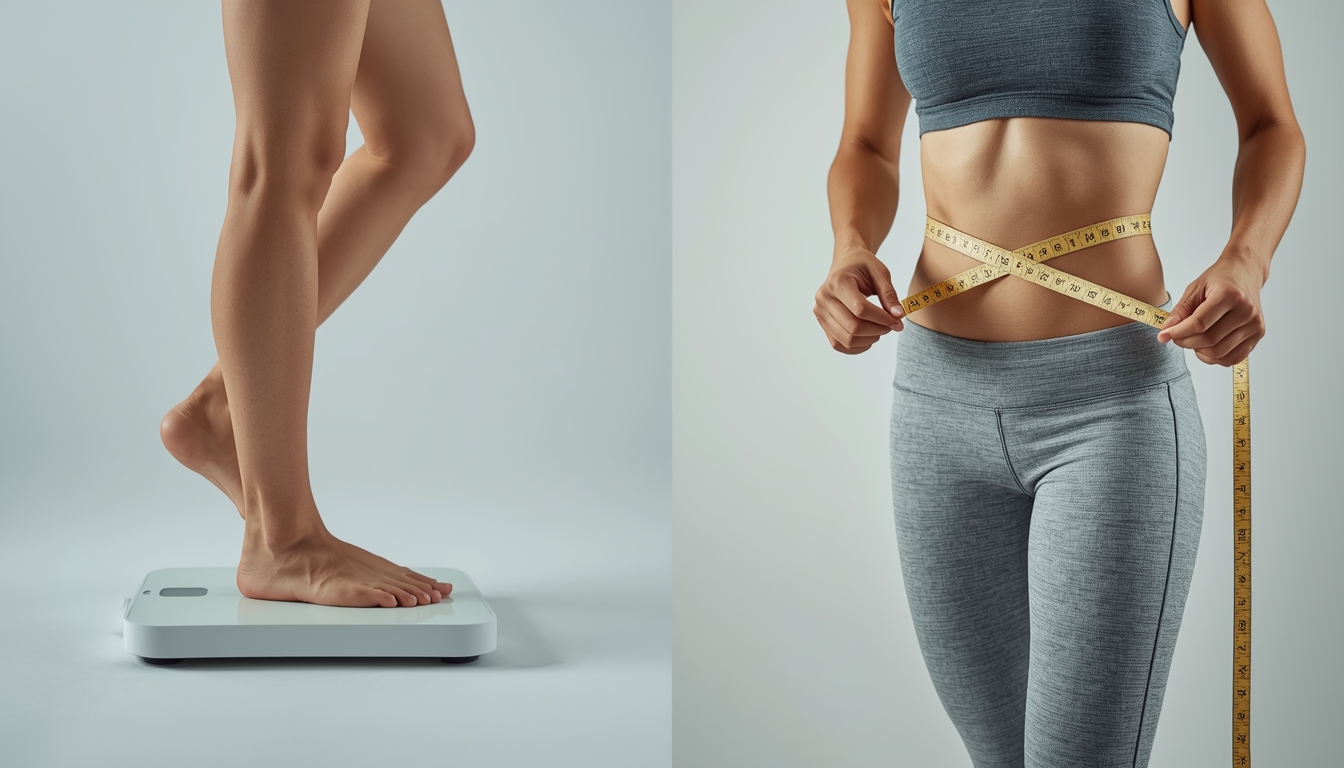
Q: Can I use this to track weight loss progress? A: Absolutely. Many people find their waist shrinks even when the scale doesn't move much. That's real progress.

How This Connects to Your Overall Health Picture

Waist-to-height ratio is one piece of the puzzle. For the full picture, also track:

  • Blood pressure: Aim for under 120/80
  • Cholesterol: Total under 200, LDL under 100
  • Blood sugar: Fasting under 100
  • Weight: Use our BMI Calculator for baseline
  • Body composition: Our Body Fat Calculator shows muscle vs. fat

The combo approach:

  • BMI gives you general weight category
  • Waist-to-height shows where fat lives
  • Body fat percentage shows composition
  • Together, they tell the real story

The Bottom Line

My friend Dave with the "overweight" BMI? His waist-to-height ratio is 0.49. Right at the cutoff. His doctor said, "Keep doing what you're doing, and maybe watch the late-night snacks."

Simple advice based on a simple number.

That's the beauty of waist-to-height ratio. No complicated charts. No confusing categories. Just one number to remember: keep your waist under half your height.

It takes 30 seconds to measure. It's free. And it might tell you more about your health than any other number you track.

Here's your action plan for today:

  1. Grab a tape measure
  2. Find your waist (belly button level is fine)
  3. Measure it (breathe out normally, don't suck in)
  4. Divide by your height (same units)
  5. Use our Waist-to-Height Calculator to double-check
  6. If you're over 0.5, pick ONE small change to make this week

Your waist isn't your worth. It's just information. Information you can use to take better care of yourself.

And that's always a good thing.


This article is for informational purposes only and isn't medical advice. Always talk to your doctor about your specific health situation.

Latest Health Reads

What Is BMI? Simple Guide to Body Mass Index

What Is BMI? Simple Guide to Body Mass Index

Learn what BMI means, how to calculate it, and what your BMI number says about your health.

Read article →
How to Lower BMI: 7 Simple Steps That Actually Work

How to Lower BMI: 7 Simple Steps That Actually Work

Trying to lower your BMI? Here's what works - no crash diets, no gimmicks. Simple steps, real examples, and tools to track your progress.

Read article →
What Is BMR? Simple Guide to Your Metabolism

What Is BMR? Simple Guide to Your Metabolism

Learn what BMR means, why it matters for weight, and how to calculate yours.

Read article →
Ideal Weight for Your Height: Simple Formulas

Ideal Weight for Your Height: Simple Formulas

Find your healthy weight range based on height. Simple formulas and practical tips.

Read article →
BMI vs Body Fat: Which One Actually Matters More?

BMI vs Body Fat: Which One Actually Matters More?

BMI says one thing. Body fat says another. Here's how to know which number to trust for your health.

Read article →
BMI Calculator Limitations: 10 Factors Not Considered

BMI Calculator Limitations: 10 Factors Not Considered

BMI doesn't tell the full story. Learn what factors your BMI calculator ignores and what measurements are more accurate for health assessment.

Read article →
Why Water Intake Is Important: 7 Reasons Your Body Needs It

Why Water Intake Is Important: 7 Reasons Your Body Needs It

Water does more than just quench your thirst. Here's why drinking enough matters for energy, weight loss, skin, and overall health.

Read article →
Superfoods for Heart Health: 10 Foods Cardiologists Actually Eat

Superfoods for Heart Health: 10 Foods Cardiologists Actually Eat

Want a healthier heart? Here are 10 superfoods cardiologists swear by. Simple, delicious, and backed by science - plus tools to track your progress.

Read article →
Weight Loss for Women at Home: 7 Things That Actually Work

Weight Loss for Women at Home: 7 Things That Actually Work

Trying to lose weight at home? Here's what works for real women - no gym required. Simple steps, honest advice, and tools to track your progress.

Read article →
Healthy Weight for Women in Their 30s: What Actually Works

Healthy Weight for Women in Their 30s: What Actually Works

Wondering what a healthy weight looks like for women in their 30s? Here's what changes after 30 and how to find your ideal weight range.

Read article →
Healthy BMI for Women by Age: What's Normal in Your 20s, 30s, 40s, 50s and Beyond

Healthy BMI for Women by Age: What's Normal in Your 20s, 30s, 40s, 50s and Beyond

Wondering what a healthy BMI looks like for women at different ages? Here's exactly how your ideal weight range changes from your 20s through your 70s and beyond.

Read article →
Morning Routine for Weight Loss: 7 Simple Habits That Actually Work

Morning Routine for Weight Loss: 7 Simple Habits That Actually Work

Want to lose weight without crazy diets? Here's exactly what to do in the first hour after waking up to boost metabolism, burn fat, and feel great all day.

Read article →
How to Increase Fertility Naturally: 11 Science-Backed Ways to Boost Your Chances of Getting Pregnant

How to Increase Fertility Naturally: 11 Science-Backed Ways to Boost Your Chances of Getting Pregnant

Wondering how to boost your fertility naturally? From the best foods to eat for ovulation to lifestyle changes that actually work, here's what you need to know.

Read article →
How Much Water Should You Drink During Pregnancy? A Complete Guide for Every Trimester

How Much Water Should You Drink During Pregnancy? A Complete Guide for Every Trimester

Wondering how much water you really need while pregnant? From first trimester nausea to third trimester swelling, here's exactly how to stay hydrated for you and baby.

Read article →
Heart Disease Symptoms, Causes, and the New Treatments Changing Everything (Including AI)

Heart Disease Symptoms, Causes, and the New Treatments Changing Everything (Including AI)

Chest pain? Shortness of breath? Here's what your symptoms mean, plus the latest breakthroughs in heart care—from AI that predicts heart attacks to new meds and high-tech sensors.

Read article →
Heart Attacks in Young People: Why It's Happening and What You Can Do About It

Heart Attacks in Young People: Why It's Happening and What You Can Do About It

Young men and women in their 20s, 30s, and 40s are having heart attacks at alarming rates. Here's why lifestyle, stress, and food choices are to blame—and how to protect yourself.

Read article →
Waist-to-Height Ratio: The Simple Number That Tells You More Than BMI

Waist-to-Height Ratio: The Simple Number That Tells You More Than BMI

Forget complicated health metrics. Your waist-to-height ratio takes two seconds to measure and might predict your health risks better than BMI. Here's how to do it.

Read article →
Healthy Sleep Habits: How to Fall Asleep Faster, Stay Asleep Longer, and Wake Up Refreshed

Healthy Sleep Habits: How to Fall Asleep Faster, Stay Asleep Longer, and Wake Up Refreshed

Struggling to fall asleep or wake up tired? Here's exactly how to fix your sleep schedule, create the perfect bedtime routine, and finally get the rest your body needs.

Read article →
How Much Can You REALLY Lift? Here's How to Find Out Without Crashing

How Much Can You REALLY Lift? Here's How to Find Out Without Crashing

Everyone at the gym wonders how much they could bench if they went all out. But going for a true max is risky. Here's the smarter way to find your real strength.

Read article →
You're Eating WAY More Sugar Than You Think: Here's Where It's Hiding

You're Eating WAY More Sugar Than You Think: Here's Where It's Hiding

That 'healthy' yogurt has more sugar than a donut. Your morning coffee is basically dessert. Here's how to find the hidden sugar in everyday foods and how much is actually okay.

Read article →
Health Calculators That Could Help in an Emergency: What to Know Before You Need It

Health Calculators That Could Help in an Emergency: What to Know Before You Need It

When minutes matter, having the right information about your body can make all the difference. Here's how simple health calculators can help in unexpected situations.

Read article →
First Trimester Survival Guide: What No One Tells You About Weeks 1-12

First Trimester Survival Guide: What No One Tells You About Weeks 1-12

From the exhaustion that hits like a truck to the weird food aversions nobody warned you about. Here's what actually happens in the first trimester and how to survive it.

Read article →
What Is Leucovorin? Why Everyone's Talking About This Drug and Autism

What Is Leucovorin? Why Everyone's Talking About This Drug and Autism

Leucovorin is all over social media right now. Parents are sharing stories, and the FDA just made a major announcement. Here's what you need to know about this medication and its connection to autism.

Read article →
Understanding Autism Spectrum Disorder: Signs, Support, and What Every Parent Should Know

Understanding Autism Spectrum Disorder: Signs, Support, and What Every Parent Should Know

Worried about your child's development? Here's what autism spectrum disorder really means, early signs to watch for, how diagnosis works, and where to find support.

Read article →
How to Reduce Stress: Simple Ways to Calm Your Mind and Protect Your Health

How to Reduce Stress: Simple Ways to Calm Your Mind and Protect Your Health

Feeling overwhelmed, anxious, or just burned out? Here's why stress is so hard on your body, how it affects your heart and brain, and what actually works to calm down in real life.

Read article →
What to Eat After Cancer: A Survivor's Guide to Food, Healing, and Moving Forward

What to Eat After Cancer: A Survivor's Guide to Food, Healing, and Moving Forward

Worried about what to eat after a cancer diagnosis? Here's a practical guide to healthy foods, what to avoid, nourishing drinks, and simple habits that help survivors feel stronger every day.

Read article →
How to Increase Testosterone Naturally: Foods, Workouts, and Lifestyle Changes That Actually Work

How to Increase Testosterone Naturally: Foods, Workouts, and Lifestyle Changes That Actually Work

Low energy? Struggling in the gym? Here's how to boost your testosterone naturally with simple food swaps, effective workouts, and daily habits that make a real difference.

Read article →
Fish Oil Benefits: What It Does for Men, Women, Your Heart, Brain, and Hormones

Fish Oil Benefits: What It Does for Men, Women, Your Heart, Brain, and Hormones

Wondering if fish oil is worth the hype? Here's what omega-3s actually do for your heart, brain, testosterone, cholesterol, and stress levels—plus how to choose the right one.

Read article →
What Is BMI? Simple Guide to Body Mass Index

What Is BMI? Simple Guide to Body Mass Index

Learn what BMI means, how to calculate it, and what your BMI number says about your health.

Read article →
How to Lower BMI: 7 Simple Steps That Actually Work

How to Lower BMI: 7 Simple Steps That Actually Work

Trying to lower your BMI? Here's what works - no crash diets, no gimmicks. Simple steps, real examples, and tools to track your progress.

Read article →
What Is BMR? Simple Guide to Your Metabolism

What Is BMR? Simple Guide to Your Metabolism

Learn what BMR means, why it matters for weight, and how to calculate yours.

Read article →
Ideal Weight for Your Height: Simple Formulas

Ideal Weight for Your Height: Simple Formulas

Find your healthy weight range based on height. Simple formulas and practical tips.

Read article →
BMI vs Body Fat: Which One Actually Matters More?

BMI vs Body Fat: Which One Actually Matters More?

BMI says one thing. Body fat says another. Here's how to know which number to trust for your health.

Read article →
BMI Calculator Limitations: 10 Factors Not Considered

BMI Calculator Limitations: 10 Factors Not Considered

BMI doesn't tell the full story. Learn what factors your BMI calculator ignores and what measurements are more accurate for health assessment.

Read article →
Why Water Intake Is Important: 7 Reasons Your Body Needs It

Why Water Intake Is Important: 7 Reasons Your Body Needs It

Water does more than just quench your thirst. Here's why drinking enough matters for energy, weight loss, skin, and overall health.

Read article →
Superfoods for Heart Health: 10 Foods Cardiologists Actually Eat

Superfoods for Heart Health: 10 Foods Cardiologists Actually Eat

Want a healthier heart? Here are 10 superfoods cardiologists swear by. Simple, delicious, and backed by science - plus tools to track your progress.

Read article →
Weight Loss for Women at Home: 7 Things That Actually Work

Weight Loss for Women at Home: 7 Things That Actually Work

Trying to lose weight at home? Here's what works for real women - no gym required. Simple steps, honest advice, and tools to track your progress.

Read article →
Healthy Weight for Women in Their 30s: What Actually Works

Healthy Weight for Women in Their 30s: What Actually Works

Wondering what a healthy weight looks like for women in their 30s? Here's what changes after 30 and how to find your ideal weight range.

Read article →
Healthy BMI for Women by Age: What's Normal in Your 20s, 30s, 40s, 50s and Beyond

Healthy BMI for Women by Age: What's Normal in Your 20s, 30s, 40s, 50s and Beyond

Wondering what a healthy BMI looks like for women at different ages? Here's exactly how your ideal weight range changes from your 20s through your 70s and beyond.

Read article →
Morning Routine for Weight Loss: 7 Simple Habits That Actually Work

Morning Routine for Weight Loss: 7 Simple Habits That Actually Work

Want to lose weight without crazy diets? Here's exactly what to do in the first hour after waking up to boost metabolism, burn fat, and feel great all day.

Read article →
How to Increase Fertility Naturally: 11 Science-Backed Ways to Boost Your Chances of Getting Pregnant

How to Increase Fertility Naturally: 11 Science-Backed Ways to Boost Your Chances of Getting Pregnant

Wondering how to boost your fertility naturally? From the best foods to eat for ovulation to lifestyle changes that actually work, here's what you need to know.

Read article →
How Much Water Should You Drink During Pregnancy? A Complete Guide for Every Trimester

How Much Water Should You Drink During Pregnancy? A Complete Guide for Every Trimester

Wondering how much water you really need while pregnant? From first trimester nausea to third trimester swelling, here's exactly how to stay hydrated for you and baby.

Read article →
Heart Disease Symptoms, Causes, and the New Treatments Changing Everything (Including AI)

Heart Disease Symptoms, Causes, and the New Treatments Changing Everything (Including AI)

Chest pain? Shortness of breath? Here's what your symptoms mean, plus the latest breakthroughs in heart care—from AI that predicts heart attacks to new meds and high-tech sensors.

Read article →
Heart Attacks in Young People: Why It's Happening and What You Can Do About It

Heart Attacks in Young People: Why It's Happening and What You Can Do About It

Young men and women in their 20s, 30s, and 40s are having heart attacks at alarming rates. Here's why lifestyle, stress, and food choices are to blame—and how to protect yourself.

Read article →
Waist-to-Height Ratio: The Simple Number That Tells You More Than BMI

Waist-to-Height Ratio: The Simple Number That Tells You More Than BMI

Forget complicated health metrics. Your waist-to-height ratio takes two seconds to measure and might predict your health risks better than BMI. Here's how to do it.

Read article →
Healthy Sleep Habits: How to Fall Asleep Faster, Stay Asleep Longer, and Wake Up Refreshed

Healthy Sleep Habits: How to Fall Asleep Faster, Stay Asleep Longer, and Wake Up Refreshed

Struggling to fall asleep or wake up tired? Here's exactly how to fix your sleep schedule, create the perfect bedtime routine, and finally get the rest your body needs.

Read article →
How Much Can You REALLY Lift? Here's How to Find Out Without Crashing

How Much Can You REALLY Lift? Here's How to Find Out Without Crashing

Everyone at the gym wonders how much they could bench if they went all out. But going for a true max is risky. Here's the smarter way to find your real strength.

Read article →
You're Eating WAY More Sugar Than You Think: Here's Where It's Hiding

You're Eating WAY More Sugar Than You Think: Here's Where It's Hiding

That 'healthy' yogurt has more sugar than a donut. Your morning coffee is basically dessert. Here's how to find the hidden sugar in everyday foods and how much is actually okay.

Read article →
Health Calculators That Could Help in an Emergency: What to Know Before You Need It

Health Calculators That Could Help in an Emergency: What to Know Before You Need It

When minutes matter, having the right information about your body can make all the difference. Here's how simple health calculators can help in unexpected situations.

Read article →
First Trimester Survival Guide: What No One Tells You About Weeks 1-12

First Trimester Survival Guide: What No One Tells You About Weeks 1-12

From the exhaustion that hits like a truck to the weird food aversions nobody warned you about. Here's what actually happens in the first trimester and how to survive it.

Read article →
What Is Leucovorin? Why Everyone's Talking About This Drug and Autism

What Is Leucovorin? Why Everyone's Talking About This Drug and Autism

Leucovorin is all over social media right now. Parents are sharing stories, and the FDA just made a major announcement. Here's what you need to know about this medication and its connection to autism.

Read article →
Understanding Autism Spectrum Disorder: Signs, Support, and What Every Parent Should Know

Understanding Autism Spectrum Disorder: Signs, Support, and What Every Parent Should Know

Worried about your child's development? Here's what autism spectrum disorder really means, early signs to watch for, how diagnosis works, and where to find support.

Read article →
How to Reduce Stress: Simple Ways to Calm Your Mind and Protect Your Health

How to Reduce Stress: Simple Ways to Calm Your Mind and Protect Your Health

Feeling overwhelmed, anxious, or just burned out? Here's why stress is so hard on your body, how it affects your heart and brain, and what actually works to calm down in real life.

Read article →
What to Eat After Cancer: A Survivor's Guide to Food, Healing, and Moving Forward

What to Eat After Cancer: A Survivor's Guide to Food, Healing, and Moving Forward

Worried about what to eat after a cancer diagnosis? Here's a practical guide to healthy foods, what to avoid, nourishing drinks, and simple habits that help survivors feel stronger every day.

Read article →
How to Increase Testosterone Naturally: Foods, Workouts, and Lifestyle Changes That Actually Work

How to Increase Testosterone Naturally: Foods, Workouts, and Lifestyle Changes That Actually Work

Low energy? Struggling in the gym? Here's how to boost your testosterone naturally with simple food swaps, effective workouts, and daily habits that make a real difference.

Read article →
Fish Oil Benefits: What It Does for Men, Women, Your Heart, Brain, and Hormones

Fish Oil Benefits: What It Does for Men, Women, Your Heart, Brain, and Hormones

Wondering if fish oil is worth the hype? Here's what omega-3s actually do for your heart, brain, testosterone, cholesterol, and stress levels—plus how to choose the right one.

Read article →

Explore All Health Calculators

From BMI to heart rate, we've got every calculator you need for your health journey.

20+
Free
Trusted