Back to Home

Fish Oil Benefits: What It Does for Men, Women, Your Heart, Brain, and Hormones
April 28, 2024
Fish Oil Benefits: What It Does for Men, Women, Your Heart, Brain, and Hormones

Fish Oil Benefits: What It Does for Men, Women, Your Heart, Brain, and Hormones

My buddy Mark started taking fish oil a few months ago. Not because he read some fancy study, because his doctor told him his triglycerides were creeping up and he needed to do something.

"Just fish oil?" he asked skeptically.

"Start there," his doctor said. "And clean up your diet."

Three months later, Mark's triglycerides dropped 40 points. His joint pain? Gone. His mood? Better. And he swears his skin looks clearer.

Here's the thing about fish oil: it's not magic, but it's pretty close. The research behind omega-3 fatty acids is some of the strongest in nutrition science.

Let me walk you through what fish oil actually does, who benefits most, how to choose a good one, and whether you should be taking it.

What Is Fish Oil, Actually?

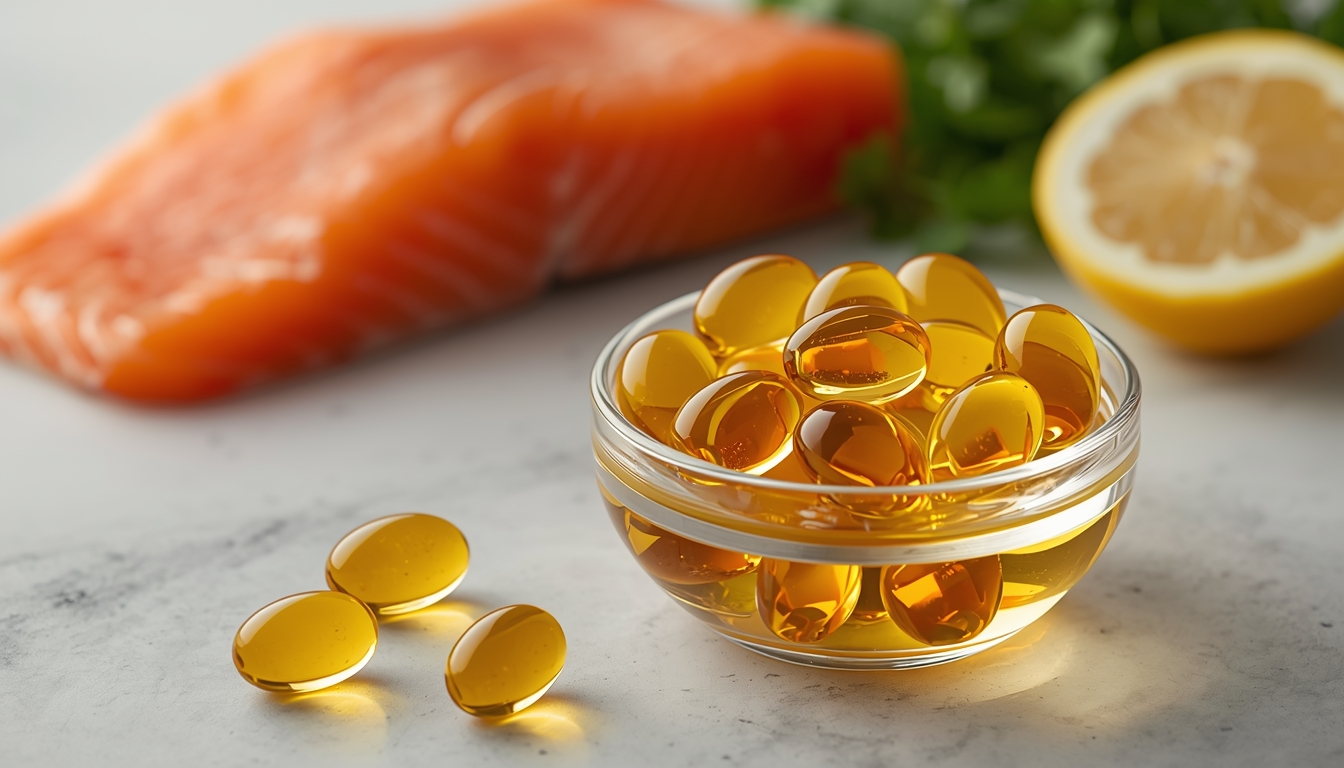
Fish oil comes from fatty fish like salmon, sardines, mackerel, anchovies, and tuna. It contains two types of omega-3 fatty acids that your body desperately needs but can't make on its own:

EPA (eicosapentaenoic acid): The inflammation fighter. Great for heart, mood, and joints.

DHA (docosahexaenoic acid): The brain builder. Crucial for brain function, eye health, and nervous system.

Your body can make some omega-3s from plant sources like flaxseed and walnuts, but the conversion rate is terrible like 5-10%. To get meaningful amounts of EPA and DHA, you either eat fatty fish regularly or take a supplement.

The Heart Benefits: Why Your Cardiologist Loves This Stuff

If there's one thing fish oil is famous for, it's heart health. The research here is rock solid.

Lower triglycerides: This is the big one. Fish oil can reduce triglyceride levels by 15-30% in people with high levels. That's significant. High triglycerides are linked to heart disease, so lowering them matters.

Blood pressure: Regular omega-3 intake can lower blood pressure by a few points. Not enough to replace medication if you have serious hypertension, but enough to make a difference.

Heart rhythm: Omega-3s help stabilize heart rhythms, reducing the risk of dangerous arrhythmias.

Arterial health: They keep arteries flexible and reduce plaque buildup over time.

What to watch: Fish oil can thin your blood slightly. If you're on blood thinners like warfarin, talk to your doctor before starting.

Track your heart health: Use our BMI Calculator to know your baseline weight status, and our Body Fat Calculator to understand your overall health picture.

Brain and Mind Benefits: Sharper Thinking, Better Mood

Your brain is about 60% fat, and a big chunk of that is DHA. You literally need omega-3s for your brain to function properly.

Cognitive function: DHA is essential for brain cell structure. Low omega-3 levels are linked to brain fog, poor memory, and slower processing.

Mental health: EPA, in particular, has been shown to help with depression. Some studies suggest it works as well as certain antidepressants for mild to moderate cases.

Mood stabilization: Omega-3s help regulate neurotransmitters like serotonin and dopamine. People with higher omega-3 levels tend to have better mood stability.

Brain aging: Higher DHA intake is associated with slower cognitive decline as we age. It's not a cure for dementia, but it's protective.

Stress response: Omega-3s help regulate cortisol—your main stress hormone. People with higher omega-3 levels show lower cortisol spikes during stressful situations.

Focus and attention: Some research suggests omega-3s help with attention and focus, especially in people with ADHD-type symptoms.

Testosterone and Hormones: What Men Need to Know

This is where things get interesting for the guys. Fish oil can support healthy testosterone levels in several ways.

Reduces inflammation: Chronic inflammation stresses your entire endocrine system, including testosterone production. By lowering inflammation, fish oil helps your hormones work better.

Improves insulin sensitivity: Better insulin sensitivity means lower insulin levels, and high insulin is linked to lower testosterone. Omega-3s help keep insulin in check.

Supports adrenal function: Your adrenals produce both stress hormones and sex hormones. Omega-3s help keep them balanced so they're not constantly pumping out cortisol.

Lowers SHBG: Sex hormone binding globulin (SHBG) binds to testosterone and makes it unavailable. Some research suggests fish oil can lower SHBG, increasing free testosterone.

Not a testosterone booster: To be clear, fish oil won't turn you into a bodybuilder. It's not a testosterone booster in the way steroids are. But it supports the hormonal environment where your body can produce and use testosterone effectively.

For men with low T: If your testosterone is low due to inflammation, poor diet, or metabolic issues, fish oil can help address some of the underlying causes.

Track your metabolism: Use our BMR Calculator to know your baseline calorie needs, and our TDEE Calculator to see how activity affects your energy balance.

Benefits for Women: Hormones, Pregnancy, and More

Fish oil isn't just for men. Women have unique needs that omega-3s address beautifully.

Menstrual health: Omega-3s can reduce period pain and cramping by lowering inflammatory prostaglandins. Some women report significantly lighter, less painful periods.

Hormonal balance: DHA is crucial for estrogen metabolism. Balanced omega-3 levels help your body process estrogen properly, which matters for everything from mood to breast health.

Pregnancy and breastfeeding: This is huge. DHA is critical for fetal brain development. Pregnant women are advised to get adequate DHA for baby's brain and eye development.

Postpartum mood: Low omega-3 levels after pregnancy are linked to higher risk of postpartum depression. Some studies show supplementation helps.

PCOS: Women with polycystic ovary syndrome often have inflammation and insulin resistance. Omega-3s can help with both.

Bone health: Some research suggests omega-3s help preserve bone density in women, especially as estrogen declines with age.

Cholesterol: The Good, The Bad, and The Fish Oil

Fish oil's effect on cholesterol is a bit mixed, but mostly good.

Triglycerides: Big win. Fish oil consistently lowers triglycerides, sometimes dramatically.

HDL ("good" cholesterol): Fish oil can raise HDL slightly. That's good.

LDL ("bad" cholesterol): Here's the nuance. In some people, fish oil can slightly raise LDL. The effect is usually small, and for most people, the triglyceride benefit outweighs any LDL increase.

LDL pattern: The type of LDL matters. Fish oil shifts LDL toward larger, fluffier particles that are less likely to clog arteries.

Bottom line: If your main issue is high triglycerides, fish oil is excellent. If your LDL is high, talk to your doctor about whether fish oil is right for you.

Inflammation and Joint Health

Inflammation is at the root of so many health problems, and fish oil is one of the best natural anti-inflammatories around.

Joint pain: Omega-3s reduce the inflammation that causes joint pain. People with arthritis often report less pain and stiffness after starting fish oil.

Recovery: For athletes, fish oil helps with post-workout recovery by reducing inflammation and soreness.

Autoimmune conditions: Some autoimmune diseases involve chronic inflammation. Omega-3s can help manage flare-ups.

General inflammation: Even if you don't have a diagnosed condition, chronic low-grade inflammation contributes to everything from heart disease to depression. Fish oil helps keep it in check.

Stress and Cortisol

Stress is unavoidable. How your body handles it? That you can influence.

Cortisol regulation: Omega-3s help regulate the HPA axis (your body's stress response system). People with higher omega-3 levels show lower cortisol spikes in response to stress.

Adrenal support: Chronic stress wears out your adrenal glands. Omega-3s support adrenal function so they're not constantly in overdrive.

Nervous system: EPA and DHA are structural components of your nervous system. They help your nerves handle stress better.

Sleep: Stress and sleep are connected. Omega-3s support better sleep quality, which helps you handle stress better the next day.

**Use our Sleep Calculator to optimize your sleep for better stress management.

How Much Fish Oil Do You Actually Need?

There's no single number that works for everyone. It depends on why you're taking it.

General health: 500-1000 mg combined EPA and DHA daily. That's about 2-3 servings of fatty fish per week.

Heart health support: 1000-2000 mg EPA/DHA daily.

High triglycerides: 2000-4000 mg EPA/DHA daily (only under doctor supervision).

Mood support: Often 1000-2000 mg EPA specifically (look for higher EPA ratios).

Inflammation/joint pain: 1000-3000 mg EPA/DHA.

Important: These are totals of EPA + DHA, not total fish oil. Check your supplement label. A 1000mg fish oil capsule might only have 500mg of actual EPA/DHA.

Track your intake: Our BMR Calculator and TDEE Calculator help you understand your overall nutrition needs.

How to Choose a Good Fish Oil Supplement

Not all fish oil is created equal. Here's what to look for:

Look for EPA and DHA amounts: The label should list how many milligrams of EPA and DHA per serving. Ignore "fish oil 1000mg"—look for the actual omega-3 content.

Check the form:

  • Triglyceride form: Closer to what's in fish. Better absorbed.
  • Ethyl ester form: Cheaper, slightly less absorbed.
  • Phospholipid form (krill oil): Very well absorbed, but usually lower EPA/DHA amounts.

Purity matters: Fish oil can contain contaminants like mercury. Good brands test for purity. Look for third-party testing seals like IFOS (International Fish Oil Standards).

Freshness: Fish oil goes rancid (oxidizes) over time. If your capsules smell fishy, they're probably bad. Good brands add vitamin E to prevent oxidation.

Concentration: Higher concentration means fewer pills. Some quality brands deliver 1000mg EPA/DHA in a single softgel.

Krill oil vs. fish oil: Krill oil is well-absorbed and has astaxanthin (an antioxidant). But it usually provides less EPA/DHA per dollar. Both are good; choose based on your preference and budget.

Food Sources: Can You Get Enough From Diet?

Yes—if you eat fatty fish regularly.

Best sources:

  • Salmon (wild is best, but farmed still good)
  • Sardines (cheap, low in mercury, sustainable)
  • Mackerel
  • Anchovies
  • Herring
  • Tuna (limit to a few times a week due to mercury)

How much: 2-3 servings per week gives you roughly 1000-2000mg EPA/DHA.

Canned fish counts: Canned sardines and salmon are excellent options. Just watch for added sodium.

Vegetarian sources: Algae oil is the only plant-based source of DHA. It's a good option for vegans, but it's usually more expensive than fish oil.

What about flaxseed? Flax, chia, and walnuts contain ALA, which your body converts to EPA/DHA at about 5-10% efficiency. They're healthy, but don't rely on them for meaningful omega-3 levels.

Who Should Take Fish Oil?

Most people benefit from:

  • Anyone who doesn't eat fatty fish regularly
  • People with high triglycerides
  • Those with inflammatory conditions (arthritis, etc.)
  • People with depression or mood issues
  • Athletes looking for better recovery
  • Anyone concerned about heart health
  • People with dry skin or eyes

Be cautious if:

  • You're on blood thinners (fish oil can increase bleeding risk)
  • You have fish allergies
  • You have a bleeding disorder
  • You're about to have surgery (stop taking 1-2 weeks before)

Always talk to your doctor before starting any supplement, especially if you're on medications or have medical conditions.

Questions People Actually Ask About Fish Oil

Q: Can fish oil help with weight loss? A: Indirectly, yes. It improves insulin sensitivity, reduces inflammation, and supports metabolism. But it's not a fat burner. Use our Ideal Weight Calculator to set realistic goals.

Q: How long until I notice benefits? A: Some things (like triglyceride levels) change in weeks. Others (like joint pain) might take 2-3 months. Give it at least 3 months before deciding if it's working.

Q: Does fish oil make you gain weight? A: It has calories (about 10-20 per capsule). That's negligible. It won't make you gain weight.

Q: Can I take fish oil with other supplements? A: Usually yes. It pairs well with vitamin D, magnesium, and CoQ10. Check with your doctor about your specific stack.

Q: Does fish oil cause burping? A: For some people, yes. Take with food, freeze the capsules, or try enteric-coated versions to reduce fishy burps.

Q: Should I take it morning or night? A: Either works. Some people take it with their biggest meal for better absorption. Others take it at night because they find it helps sleep.

Q: Is cod liver oil the same as fish oil? A: Similar, but cod liver oil also has vitamin A and D. Be careful not to overdose on vitamin A if you take high amounts.

Q: Can I give fish oil to my kids? A: Yes, at appropriate doses. Many kids benefit from DHA for brain development. Use a liquid formulated for children.

Q: Does fish oil help with acne? A: For some people, yes. The anti-inflammatory effects can improve skin conditions like acne and eczema.

Q: I'm vegan. What should I take? A: Algae oil is your best bet. It provides DHA directly, and some brands include EPA too.

How Fish Oil Fits Into Your Overall Health Picture

Fish oil is powerful, but it's not a magic bullet. It works best as part of an overall healthy lifestyle:

Combine with a healthy diet: Eat fatty fish, vegetables, nuts, and whole grains. Fish oil supplements fill in the gaps, they don't replace real food.

Exercise matters: Omega-3s work synergistically with exercise for heart health and inflammation control. Use our TDEE Calculator to see how activity affects your calorie needs.

Maintain a healthy weight: Excess body fat, especially belly fat, increases inflammation. Fish oil helps, but losing excess weight helps more. Check your progress with our BMI Calculator and Body Fat Calculator .

Manage stress: Omega-3s help your stress response, but you also need to address the sources of stress. Sleep, movement, and boundaries matter.

Sleep enough: Inflammation and poor sleep feed each other. Fish oil supports sleep quality. Use our Sleep Calculator to optimize your schedule.

The Bottom Line

My buddy Mark with the high triglycerides? He's still taking fish oil. His numbers have stayed good, his joint pain hasn't come back, and he says he just feels better overall.

Is it the fish oil alone? Probably not. He also cleaned up his diet, started walking more, and cut way back on alcohol. But the fish oil was the catalyst the thing that got him paying attention to his health again.

Here's what I want you to remember:

  • Fish oil is one of the most researched supplements for a reason it works
  • EPA and DHA are the active ingredients; look for them on the label
  • Benefits include heart, brain, mood, joints, hormones, and stress
  • Quality matters—choose a brand that tests for purity
  • It's not a replacement for healthy eating and exercise

If you don't eat fatty fish a few times a week, fish oil is probably worth considering. It's safe for most people, it's affordable, and the benefits add up over time.

Start today: Check your health baselines with our calculators, then talk to your doctor about whether fish oil makes sense for you. Your future self with better heart health, clearer thinking, and less inflammation will thank you.


This article is for informational purposes only and isn't medical advice. Always talk to your doctor before starting new supplements, especially if you're on medications or have medical conditions.

Latest Health Reads

What Is BMI? Simple Guide to Body Mass Index

What Is BMI? Simple Guide to Body Mass Index

Learn what BMI means, how to calculate it, and what your BMI number says about your health.

Read article →
How to Lower BMI: 7 Simple Steps That Actually Work

How to Lower BMI: 7 Simple Steps That Actually Work

Trying to lower your BMI? Here's what works - no crash diets, no gimmicks. Simple steps, real examples, and tools to track your progress.

Read article →
What Is BMR? Simple Guide to Your Metabolism

What Is BMR? Simple Guide to Your Metabolism

Learn what BMR means, why it matters for weight, and how to calculate yours.

Read article →
Ideal Weight for Your Height: Simple Formulas

Ideal Weight for Your Height: Simple Formulas

Find your healthy weight range based on height. Simple formulas and practical tips.

Read article →
BMI vs Body Fat: Which One Actually Matters More?

BMI vs Body Fat: Which One Actually Matters More?

BMI says one thing. Body fat says another. Here's how to know which number to trust for your health.

Read article →
BMI Calculator Limitations: 10 Factors Not Considered

BMI Calculator Limitations: 10 Factors Not Considered

BMI doesn't tell the full story. Learn what factors your BMI calculator ignores and what measurements are more accurate for health assessment.

Read article →
Why Water Intake Is Important: 7 Reasons Your Body Needs It

Why Water Intake Is Important: 7 Reasons Your Body Needs It

Water does more than just quench your thirst. Here's why drinking enough matters for energy, weight loss, skin, and overall health.

Read article →
Superfoods for Heart Health: 10 Foods Cardiologists Actually Eat

Superfoods for Heart Health: 10 Foods Cardiologists Actually Eat

Want a healthier heart? Here are 10 superfoods cardiologists swear by. Simple, delicious, and backed by science - plus tools to track your progress.

Read article →
Weight Loss for Women at Home: 7 Things That Actually Work

Weight Loss for Women at Home: 7 Things That Actually Work

Trying to lose weight at home? Here's what works for real women - no gym required. Simple steps, honest advice, and tools to track your progress.

Read article →
Healthy Weight for Women in Their 30s: What Actually Works

Healthy Weight for Women in Their 30s: What Actually Works

Wondering what a healthy weight looks like for women in their 30s? Here's what changes after 30 and how to find your ideal weight range.

Read article →
Healthy BMI for Women by Age: What's Normal in Your 20s, 30s, 40s, 50s and Beyond

Healthy BMI for Women by Age: What's Normal in Your 20s, 30s, 40s, 50s and Beyond

Wondering what a healthy BMI looks like for women at different ages? Here's exactly how your ideal weight range changes from your 20s through your 70s and beyond.

Read article →
Morning Routine for Weight Loss: 7 Simple Habits That Actually Work

Morning Routine for Weight Loss: 7 Simple Habits That Actually Work

Want to lose weight without crazy diets? Here's exactly what to do in the first hour after waking up to boost metabolism, burn fat, and feel great all day.

Read article →
How to Increase Fertility Naturally: 11 Science-Backed Ways to Boost Your Chances of Getting Pregnant

How to Increase Fertility Naturally: 11 Science-Backed Ways to Boost Your Chances of Getting Pregnant

Wondering how to boost your fertility naturally? From the best foods to eat for ovulation to lifestyle changes that actually work, here's what you need to know.

Read article →
How Much Water Should You Drink During Pregnancy? A Complete Guide for Every Trimester

How Much Water Should You Drink During Pregnancy? A Complete Guide for Every Trimester

Wondering how much water you really need while pregnant? From first trimester nausea to third trimester swelling, here's exactly how to stay hydrated for you and baby.

Read article →
Heart Disease Symptoms, Causes, and the New Treatments Changing Everything (Including AI)

Heart Disease Symptoms, Causes, and the New Treatments Changing Everything (Including AI)

Chest pain? Shortness of breath? Here's what your symptoms mean, plus the latest breakthroughs in heart care—from AI that predicts heart attacks to new meds and high-tech sensors.

Read article →
Heart Attacks in Young People: Why It's Happening and What You Can Do About It

Heart Attacks in Young People: Why It's Happening and What You Can Do About It

Young men and women in their 20s, 30s, and 40s are having heart attacks at alarming rates. Here's why lifestyle, stress, and food choices are to blame—and how to protect yourself.

Read article →
Waist-to-Height Ratio: The Simple Number That Tells You More Than BMI

Waist-to-Height Ratio: The Simple Number That Tells You More Than BMI

Forget complicated health metrics. Your waist-to-height ratio takes two seconds to measure and might predict your health risks better than BMI. Here's how to do it.

Read article →
Healthy Sleep Habits: How to Fall Asleep Faster, Stay Asleep Longer, and Wake Up Refreshed

Healthy Sleep Habits: How to Fall Asleep Faster, Stay Asleep Longer, and Wake Up Refreshed

Struggling to fall asleep or wake up tired? Here's exactly how to fix your sleep schedule, create the perfect bedtime routine, and finally get the rest your body needs.

Read article →
How Much Can You REALLY Lift? Here's How to Find Out Without Crashing

How Much Can You REALLY Lift? Here's How to Find Out Without Crashing

Everyone at the gym wonders how much they could bench if they went all out. But going for a true max is risky. Here's the smarter way to find your real strength.

Read article →
You're Eating WAY More Sugar Than You Think: Here's Where It's Hiding

You're Eating WAY More Sugar Than You Think: Here's Where It's Hiding

That 'healthy' yogurt has more sugar than a donut. Your morning coffee is basically dessert. Here's how to find the hidden sugar in everyday foods and how much is actually okay.

Read article →
Health Calculators That Could Help in an Emergency: What to Know Before You Need It

Health Calculators That Could Help in an Emergency: What to Know Before You Need It

When minutes matter, having the right information about your body can make all the difference. Here's how simple health calculators can help in unexpected situations.

Read article →
First Trimester Survival Guide: What No One Tells You About Weeks 1-12

First Trimester Survival Guide: What No One Tells You About Weeks 1-12

From the exhaustion that hits like a truck to the weird food aversions nobody warned you about. Here's what actually happens in the first trimester and how to survive it.

Read article →
What Is Leucovorin? Why Everyone's Talking About This Drug and Autism

What Is Leucovorin? Why Everyone's Talking About This Drug and Autism

Leucovorin is all over social media right now. Parents are sharing stories, and the FDA just made a major announcement. Here's what you need to know about this medication and its connection to autism.

Read article →
Understanding Autism Spectrum Disorder: Signs, Support, and What Every Parent Should Know

Understanding Autism Spectrum Disorder: Signs, Support, and What Every Parent Should Know

Worried about your child's development? Here's what autism spectrum disorder really means, early signs to watch for, how diagnosis works, and where to find support.

Read article →
How to Reduce Stress: Simple Ways to Calm Your Mind and Protect Your Health

How to Reduce Stress: Simple Ways to Calm Your Mind and Protect Your Health

Feeling overwhelmed, anxious, or just burned out? Here's why stress is so hard on your body, how it affects your heart and brain, and what actually works to calm down in real life.

Read article →
What to Eat After Cancer: A Survivor's Guide to Food, Healing, and Moving Forward

What to Eat After Cancer: A Survivor's Guide to Food, Healing, and Moving Forward

Worried about what to eat after a cancer diagnosis? Here's a practical guide to healthy foods, what to avoid, nourishing drinks, and simple habits that help survivors feel stronger every day.

Read article →
How to Increase Testosterone Naturally: Foods, Workouts, and Lifestyle Changes That Actually Work

How to Increase Testosterone Naturally: Foods, Workouts, and Lifestyle Changes That Actually Work

Low energy? Struggling in the gym? Here's how to boost your testosterone naturally with simple food swaps, effective workouts, and daily habits that make a real difference.

Read article →
Fish Oil Benefits: What It Does for Men, Women, Your Heart, Brain, and Hormones

Fish Oil Benefits: What It Does for Men, Women, Your Heart, Brain, and Hormones

Wondering if fish oil is worth the hype? Here's what omega-3s actually do for your heart, brain, testosterone, cholesterol, and stress levels—plus how to choose the right one.

Read article →
What Is BMI? Simple Guide to Body Mass Index

What Is BMI? Simple Guide to Body Mass Index

Learn what BMI means, how to calculate it, and what your BMI number says about your health.

Read article →
How to Lower BMI: 7 Simple Steps That Actually Work

How to Lower BMI: 7 Simple Steps That Actually Work

Trying to lower your BMI? Here's what works - no crash diets, no gimmicks. Simple steps, real examples, and tools to track your progress.

Read article →
What Is BMR? Simple Guide to Your Metabolism

What Is BMR? Simple Guide to Your Metabolism

Learn what BMR means, why it matters for weight, and how to calculate yours.

Read article →
Ideal Weight for Your Height: Simple Formulas

Ideal Weight for Your Height: Simple Formulas

Find your healthy weight range based on height. Simple formulas and practical tips.

Read article →
BMI vs Body Fat: Which One Actually Matters More?

BMI vs Body Fat: Which One Actually Matters More?

BMI says one thing. Body fat says another. Here's how to know which number to trust for your health.

Read article →
BMI Calculator Limitations: 10 Factors Not Considered

BMI Calculator Limitations: 10 Factors Not Considered

BMI doesn't tell the full story. Learn what factors your BMI calculator ignores and what measurements are more accurate for health assessment.

Read article →
Why Water Intake Is Important: 7 Reasons Your Body Needs It

Why Water Intake Is Important: 7 Reasons Your Body Needs It

Water does more than just quench your thirst. Here's why drinking enough matters for energy, weight loss, skin, and overall health.

Read article →
Superfoods for Heart Health: 10 Foods Cardiologists Actually Eat

Superfoods for Heart Health: 10 Foods Cardiologists Actually Eat

Want a healthier heart? Here are 10 superfoods cardiologists swear by. Simple, delicious, and backed by science - plus tools to track your progress.

Read article →
Weight Loss for Women at Home: 7 Things That Actually Work

Weight Loss for Women at Home: 7 Things That Actually Work

Trying to lose weight at home? Here's what works for real women - no gym required. Simple steps, honest advice, and tools to track your progress.

Read article →
Healthy Weight for Women in Their 30s: What Actually Works

Healthy Weight for Women in Their 30s: What Actually Works

Wondering what a healthy weight looks like for women in their 30s? Here's what changes after 30 and how to find your ideal weight range.

Read article →
Healthy BMI for Women by Age: What's Normal in Your 20s, 30s, 40s, 50s and Beyond

Healthy BMI for Women by Age: What's Normal in Your 20s, 30s, 40s, 50s and Beyond

Wondering what a healthy BMI looks like for women at different ages? Here's exactly how your ideal weight range changes from your 20s through your 70s and beyond.

Read article →
Morning Routine for Weight Loss: 7 Simple Habits That Actually Work

Morning Routine for Weight Loss: 7 Simple Habits That Actually Work

Want to lose weight without crazy diets? Here's exactly what to do in the first hour after waking up to boost metabolism, burn fat, and feel great all day.

Read article →
How to Increase Fertility Naturally: 11 Science-Backed Ways to Boost Your Chances of Getting Pregnant

How to Increase Fertility Naturally: 11 Science-Backed Ways to Boost Your Chances of Getting Pregnant

Wondering how to boost your fertility naturally? From the best foods to eat for ovulation to lifestyle changes that actually work, here's what you need to know.

Read article →
How Much Water Should You Drink During Pregnancy? A Complete Guide for Every Trimester

How Much Water Should You Drink During Pregnancy? A Complete Guide for Every Trimester

Wondering how much water you really need while pregnant? From first trimester nausea to third trimester swelling, here's exactly how to stay hydrated for you and baby.

Read article →
Heart Disease Symptoms, Causes, and the New Treatments Changing Everything (Including AI)

Heart Disease Symptoms, Causes, and the New Treatments Changing Everything (Including AI)

Chest pain? Shortness of breath? Here's what your symptoms mean, plus the latest breakthroughs in heart care—from AI that predicts heart attacks to new meds and high-tech sensors.

Read article →
Heart Attacks in Young People: Why It's Happening and What You Can Do About It

Heart Attacks in Young People: Why It's Happening and What You Can Do About It

Young men and women in their 20s, 30s, and 40s are having heart attacks at alarming rates. Here's why lifestyle, stress, and food choices are to blame—and how to protect yourself.

Read article →
Waist-to-Height Ratio: The Simple Number That Tells You More Than BMI

Waist-to-Height Ratio: The Simple Number That Tells You More Than BMI

Forget complicated health metrics. Your waist-to-height ratio takes two seconds to measure and might predict your health risks better than BMI. Here's how to do it.

Read article →
Healthy Sleep Habits: How to Fall Asleep Faster, Stay Asleep Longer, and Wake Up Refreshed

Healthy Sleep Habits: How to Fall Asleep Faster, Stay Asleep Longer, and Wake Up Refreshed

Struggling to fall asleep or wake up tired? Here's exactly how to fix your sleep schedule, create the perfect bedtime routine, and finally get the rest your body needs.

Read article →
How Much Can You REALLY Lift? Here's How to Find Out Without Crashing

How Much Can You REALLY Lift? Here's How to Find Out Without Crashing

Everyone at the gym wonders how much they could bench if they went all out. But going for a true max is risky. Here's the smarter way to find your real strength.

Read article →
You're Eating WAY More Sugar Than You Think: Here's Where It's Hiding

You're Eating WAY More Sugar Than You Think: Here's Where It's Hiding

That 'healthy' yogurt has more sugar than a donut. Your morning coffee is basically dessert. Here's how to find the hidden sugar in everyday foods and how much is actually okay.

Read article →
Health Calculators That Could Help in an Emergency: What to Know Before You Need It

Health Calculators That Could Help in an Emergency: What to Know Before You Need It

When minutes matter, having the right information about your body can make all the difference. Here's how simple health calculators can help in unexpected situations.

Read article →
First Trimester Survival Guide: What No One Tells You About Weeks 1-12

First Trimester Survival Guide: What No One Tells You About Weeks 1-12

From the exhaustion that hits like a truck to the weird food aversions nobody warned you about. Here's what actually happens in the first trimester and how to survive it.

Read article →
What Is Leucovorin? Why Everyone's Talking About This Drug and Autism

What Is Leucovorin? Why Everyone's Talking About This Drug and Autism

Leucovorin is all over social media right now. Parents are sharing stories, and the FDA just made a major announcement. Here's what you need to know about this medication and its connection to autism.

Read article →
Understanding Autism Spectrum Disorder: Signs, Support, and What Every Parent Should Know

Understanding Autism Spectrum Disorder: Signs, Support, and What Every Parent Should Know

Worried about your child's development? Here's what autism spectrum disorder really means, early signs to watch for, how diagnosis works, and where to find support.

Read article →
How to Reduce Stress: Simple Ways to Calm Your Mind and Protect Your Health

How to Reduce Stress: Simple Ways to Calm Your Mind and Protect Your Health

Feeling overwhelmed, anxious, or just burned out? Here's why stress is so hard on your body, how it affects your heart and brain, and what actually works to calm down in real life.

Read article →
What to Eat After Cancer: A Survivor's Guide to Food, Healing, and Moving Forward

What to Eat After Cancer: A Survivor's Guide to Food, Healing, and Moving Forward

Worried about what to eat after a cancer diagnosis? Here's a practical guide to healthy foods, what to avoid, nourishing drinks, and simple habits that help survivors feel stronger every day.

Read article →
How to Increase Testosterone Naturally: Foods, Workouts, and Lifestyle Changes That Actually Work

How to Increase Testosterone Naturally: Foods, Workouts, and Lifestyle Changes That Actually Work

Low energy? Struggling in the gym? Here's how to boost your testosterone naturally with simple food swaps, effective workouts, and daily habits that make a real difference.

Read article →
Fish Oil Benefits: What It Does for Men, Women, Your Heart, Brain, and Hormones

Fish Oil Benefits: What It Does for Men, Women, Your Heart, Brain, and Hormones

Wondering if fish oil is worth the hype? Here's what omega-3s actually do for your heart, brain, testosterone, cholesterol, and stress levels—plus how to choose the right one.

Read article →

Explore All Health Calculators

From BMI to heart rate, we've got every calculator you need for your health journey.

20+
Free
Trusted