Healthy Weight for Women in Their 30s: What Actually Works
Healthy Weight for Women in Their 30s: What Actually Works
My friend Jessica turned 32 last month. She texted me something that sounded familiar: "I eat the same as I did at 25. I work out the same. So why does my body look different?"
Sound like you?
Here's the deal: your body changes in your 30s. That's not a scare tactic - it's just biology. But once you understand what's happening, you can actually work with your body instead of against it.
First Things First: What's a "Healthy Weight" Anyway?
Let's cut through the confusion. There's no magic number that fits every 5'4" woman. Your healthy weight depends on:
- How tall you are (this is the biggest factor)
- Your body frame (small, medium, or large bone structure)
- How much muscle you have (muscle weighs more than fat)
- Your genetics (thanks, Mom and Dad)
Quick Height-Weight Chart (Just a Starting Point)
| Height | Healthy Weight Range |
|---|---|
| 5'0" | 95 - 125 lbs |
| 5'2" | 100 - 135 lbs |
| 5'4" | 108 - 145 lbs |
| 5'6" | 115 - 155 lbs |
| 5'8" | 125 - 165 lbs |
| 5'10" | 135 - 175 lbs |
Want your exact number? Use our BMI Calculator . It takes 30 seconds.
What Actually Changes in Your 30s? (The Science, Made Simple)
1. You Start Losing Muscle
Here's something nobody tells you: after 30, women lose about 3-5% of their muscle every decade.
Why this matters:
- Muscle burns calories even when you're sitting on the couch
- Less muscle = slower metabolism
- The scale might stay the same while your body changes
Real example: My neighbor Karen is 35. She weighs exactly what she did at 27. But her clothes fit differently because she lost 5 pounds of muscle and gained 5 pounds of fat. The scale lied to her.
What helps: Our Body Fat Calculator shows you what the scale misses.
2. Hormones Start Playing Games
Your 30s bring hormonal shifts that affect weight:
- Stress hormone (cortisol) goes up (hello, career and family pressure)
- Estrogen fluctuates throughout your monthly cycle
- Progesterone changes affect bloating and cravings
One week you feel lean. Next week you feel puffy. That's normal.
3. Life Gets Busier
Let's be honest about what happens in our 30s:
- More time sitting at desks
- Less time for workouts
- More stress, less sleep
- More convenience foods, less meal prep
This isn't your fault. But understanding it helps you work around it.
Better Ways to Track Your Health (The Scale Lies)
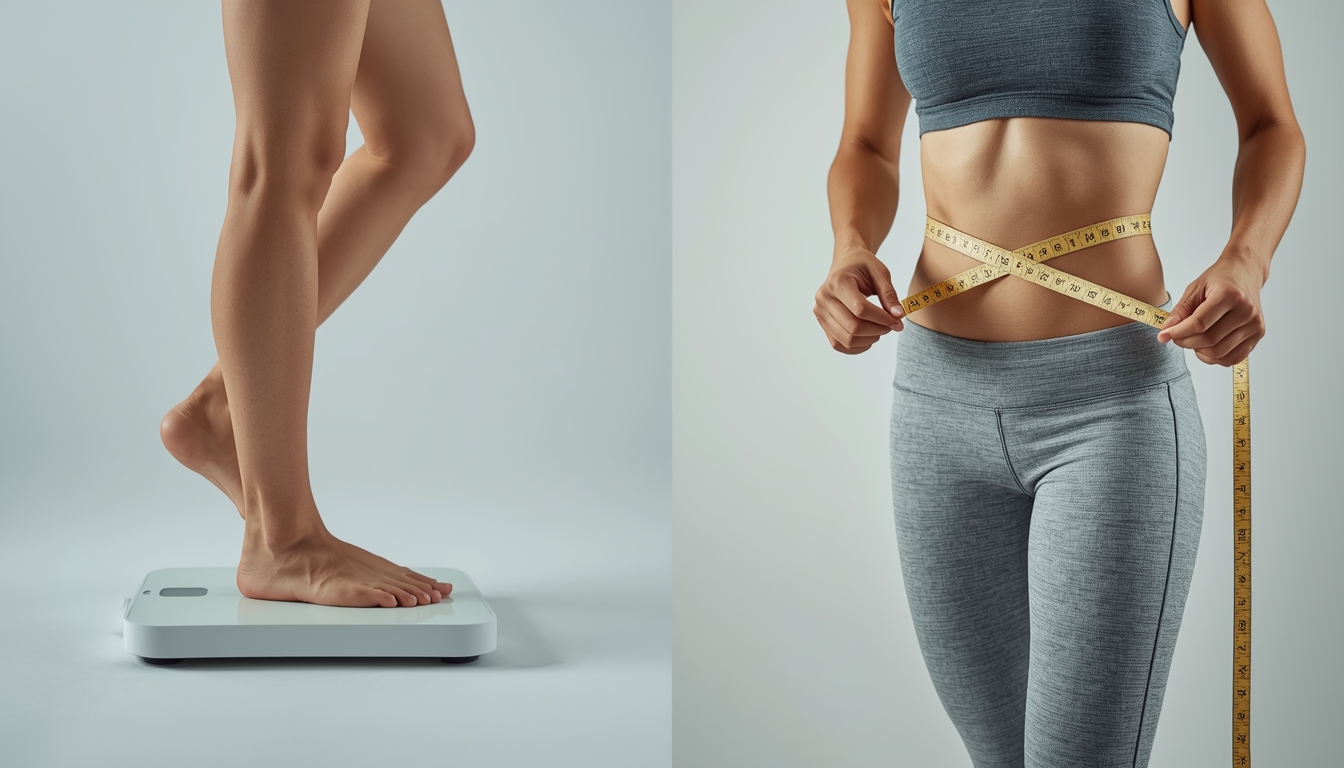
1. Waist-to-Height Ratio
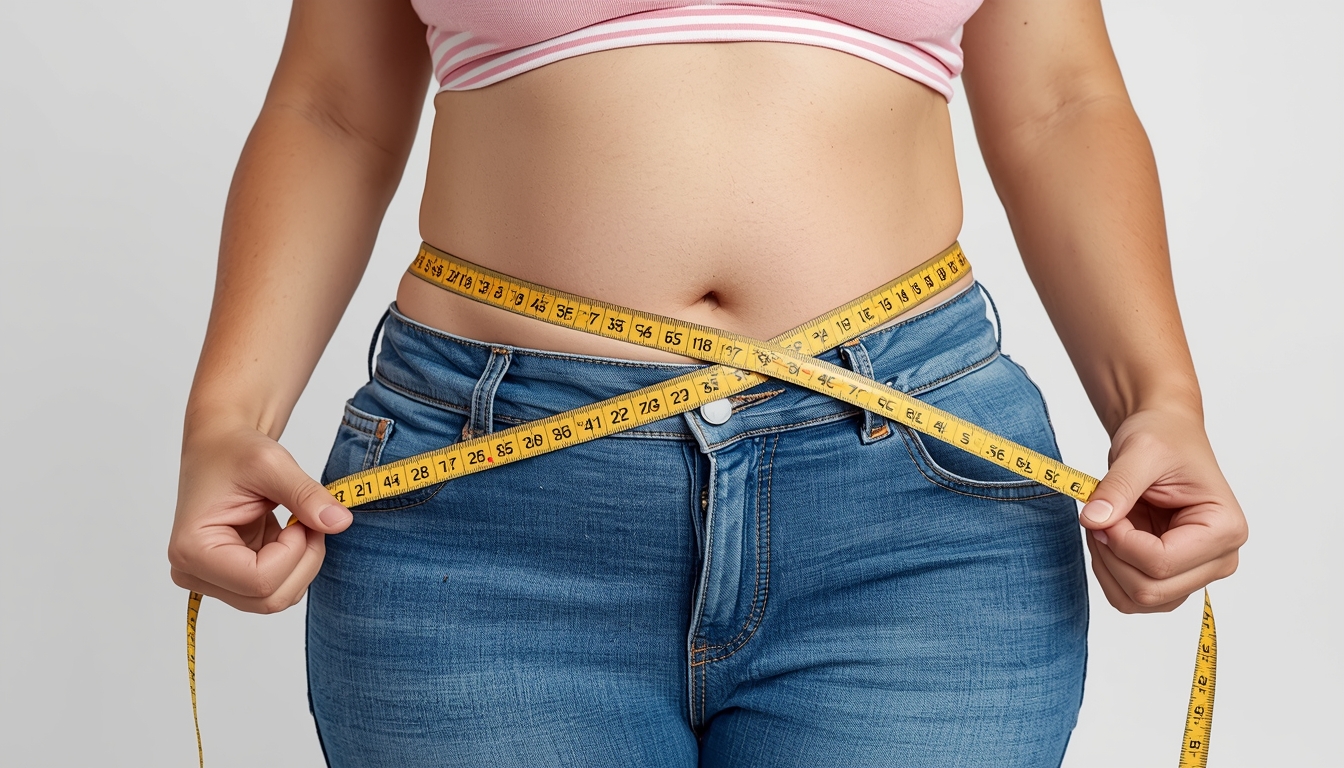
This is the simplest, most useful measurement. Here's how:
Step 1: Measure your waist at your belly button Step 2: Measure your height Step 3: Divide waist by height
What your number means:
- Less than 0.5: You're in a good place
- 0.5 to 0.6: Room for improvement
- Over 0.6: Time to make some changes
Example: Jessica is 5'4" (64 inches) with a 30-inch waist 30 ÷ 64 = 0.47 (healthy range)
2. Body Fat Percentage
This tells you what you're actually made of. For women in their 30s:
| Category | Body Fat % |
|---|---|
| Athlete | 14-20% |
| Fit | 21-24% |
| OK range | 25-31% |
| Needs work | 32%+ |
Try our Body Fat Calculator . It uses the Navy method - just a tape measure and 2 minutes.
3. The "Truth Pants" Test
Pick one pair of pants. Try them on once a month. If they're consistently tight or loose, that's useful info. Simple.
4. How You Feel (Seriously)
Track this weekly on a scale of 1-10:
- Energy levels
- Sleep quality
- Mood
- Hunger/cravings
If these are improving, you're heading in the right direction - even if the scale hasn't moved.
What Your Numbers Actually Mean at This Age
If Your BMI Says "Overweight" (25-29.9)
Don't stress yet. First, check your Body Fat Percentage .
You might be fine if you:
- Do strength training
- Do yoga or Pilates
- Play sports
- Have a physical job
Real example: My friend Dana is a CrossFit coach. BMI says she's "overweight" at 27. Her body fat is 19%. BMI is useless for her.
If Your BMI Says "Healthy" (18.5-24.9)
Good for you. But check your waist measurement anyway. Some women are "skinny fat" - normal weight but too little muscle and too much fat. These women often have:
- Low energy
- Poor sleep
- Health risks despite "normal" weight
If Your BMI Says "Underweight" (Under 18.5)
Check with your doctor. Being underweight in your 30s can affect:
- Bone density (osteoporosis risk)
- Fertility
- Immune system
- Energy levels
Realistic Goals for Women in Their 30s
For Weight Loss:
- Safe rate: 1-2 pounds per week
- Calorie deficit: 300-500 below maintenance
- Best approach: Small changes you can stick with
Use our BMR Calculator to find your baseline.
For Weight Gain (if you need it):
- Healthy rate: 0.5-1 pound per week
- Focus on: Nutrient-dense foods, not junk
- Add: Strength training to build muscle
For Body Recomposition (Lose Fat, Gain Muscle)
The scale might not move. Track instead:
- Measurements monthly
- Progress photos
- How your clothes fit
- Strength gains (can you lift more?)
The 4-Step Plan That Works for Women in Their 30s
Step 1: Get Your Numbers
Stop guessing. Know where you stand:
- BMI Calculator (30 seconds)
- Body Fat Calculator (2 minutes)
- BMR Calculator (1 minute)
- Ideal Weight Calculator (see your range)
Step 2: Eat to Support Your Body (Not Starve It)
Protein is non-negotiable now. Aim for 20-30g per meal.
Breakfast (20g protein):
- 3 eggs = 18g
- Greek yogurt = 15-20g
- Protein shake = 25g
Lunch (25-30g protein):
- Chicken breast (4 oz) = 35g
- Tuna pouch = 22g
- Lentil soup = 18g
Dinner (25-30g protein):
- Salmon (5 oz) = 30g
- Lean beef (4 oz) = 28g
- Tofu stir-fry = 20g
Fiber keeps you full and helps gut health. Aim for 25-30g daily from:
- Vegetables
- Fruits
- Beans
- Whole grains
Step 3: Move Smarter
Strength training is #1 for women in their 30s. It:
- Builds metabolism-boosting muscle
- Protects your bones
- Prevents injuries
- Actually shapes your body
Do it 2-3 times a week. Bodyweight exercises count!
Walk more. This is free and easy. Add steps by:
- Taking phone calls standing up
- Parking farther away
- Taking stairs
- Walking at lunch
Step 4: Fix Your Sleep (Seriously)
Sleep is when your body:
- Repairs muscle
- Balances hunger hormones
- Lowers stress hormones
- Resets your metabolism
Aim for 7-9 hours. If you're not sleeping well, weight loss is 10x harder.
Common Problems and Simple Fixes
"I'm Hungry All the Time"
Try this: Add protein to every meal. Also drink a glass of water first - thirst feels like hunger.
"I Crave Sugar at 3 PM"
Try this: Your lunch didn't have enough protein or fat. Add avocado, nuts, or eggs to lunch. Have a planned snack like apple with peanut butter.
"Nothing Fits During My Period"
Try this: It's water retention. Reduce salt, drink more water, and don't weigh yourself 3 days before and during your period.
"No Energy to Work Out"
Try this: Check if you're eating enough. Many women undereat and wonder why they're exhausted. Use our TDEE Calculator to check.
"Post-Baby Body Won't Change"
Try this: Give yourself grace. Work with a pelvic floor specialist first. Focus on nutrition, then exercise.
A Realistic Day of Eating
7:30 AM - Breakfast 3 scrambled eggs with spinach ≈ 280 cal, 18g protein
10:30 AM - Snack Apple with 1 tbsp peanut butter ≈ 180 cal, 5g protein
1:00 PM - Lunch Big salad with 4 oz grilled chicken, olive oil ≈ 400 cal, 35g protein
4:00 PM - Snack Greek yogurt with berries ≈ 150 cal, 15g protein
7:00 PM - Dinner 5 oz salmon, roasted broccoli, sweet potato ≈ 450 cal, 35g protein
Total: ~1,460 calories, 108g protein
Quick Tracking Guide
Weekly (5 minutes)
- Weight (same day, morning)
- Waist measurement
- Energy level (1-10)
Monthly (10 minutes)
- Progress photo
- Full measurements
- How do clothes fit?
Every 3 Months
- Body fat %
- BMI check
- Review what's working
Questions Women in Their 30s Ask
Q: "Is it harder to lose weight after 30?" A: Yes, but not impossible. You need about 50-100 fewer calories daily than in your 20s. Small tweaks, not drastic diets.
Q: "Should I weigh myself every day?" A: No. Weekly is enough. Hormones, water, and digestion make daily numbers meaningless.
Q: "What's more important - diet or exercise?" A: For weight loss, diet matters more. For how you look and feel, both matter equally.
Q: "Can I still eat carbs?" A: Yes! Women need carbs for energy and hormones. Just choose whole food carbs (fruits, veggies, oats) over processed stuff.
Q: "How do I know if I'm at a healthy weight?" A: Use multiple measures: BMI, body fat %, waist measurement, and most importantly - how you feel.
The Bottom Line
Your 30s aren't the end of feeling good in your body. They're just a new chapter.
The women who thrive in this decade aren't the ones with perfect genetics. They're the ones who:
- Understand their bodies instead of fighting them
- Make small, consistent changes
- Use data (like our calculators) to make decisions
- Prioritize strength over thinness
- Take sleep and stress seriously
Start today:
- BMI Calculator - 30 seconds
- Body Fat Calculator - 2 minutes
- BMR Calculator - 1 minute
- Pick ONE small change this week
Your 30s can be your healthiest decade yet. Not because you're getting younger, but because you're getting smarter about what your body actually needs.