Heart Attacks in Young People: Why It's Happening and What You Can Do About It

Heart Attacks in Young People: Why It's Happening and What You Can Do About It
My cousin Malik called me two weeks ago, shaken. He's 34, healthy weight, works out occasionally. His friend same age, same lifestyle just had a heart attack. Out of nowhere. Or so it seemed.
Turns out, it wasn't out of nowhere. His friend had been living on energy drinks, fast food, and six hours of sleep for years. He was stressed about work, vaping to "relax," and hadn't seen a doctor since college.
Here's the truth nobody told us growing up: heart disease isn't just for grandpa anymore. It's hitting people in their 20s, 30s, and 40s hard. And the main reasons? The way we live, eat, and handle stress.
Let me break down what's really going on and what you can actually do about it.
The Scary Reality: Heart Disease Is Getting Younger
The numbers don't lie. Heart related hospitalizations among adults under 40 have been climbing about 2% every year since 2018. A decade ago, only 1 in 10 heart attacks happened in people 40 or younger. Now it's 1 in 5.
Think about that. One out of every five heart attacks hits someone who should be in their prime.
Even more concerning: since the pandemic, heart attacks have jumped a whopping 30% for Americans under 45. And nearly half of adults aged 20 to 44 already have at least one major cardiovascular risk factor.
This isn't about bad luck. It's about lifestyle.
Why Is This Happening? The Main Culprits
1. Ultra-Processed Foods (The Real Enemy)
Let's talk about what most of us actually eat. Fast food, frozen meals, chips, sugary cereals, energy drinks, processed snacks. The stuff that comes in packages with ingredient lists a mile long.
CDC data shows that nearly 55% of all calories consumed by Americans come from ultra-processed foods. For young adults, that number might be even higher.
What this does to your body:
- High sugar intake causes constant spikes in blood sugar and insulin
- Insulin acts like sandpaper on the lining of your arteries
- That damage invites cholesterol to stick and form plaque
- Trans fats and seed oils drive up "bad" LDL cholesterol
- High sodium from processed foods pushes blood pressure up
The result? A 30-year-old can have arteries that look like they belong to a 60-year-old. Your heart is aging faster than you are.
My friend Derek's wake-up call: He lived on gas station food during his 60-hour work weeks. Energy drinks for breakfast, fast food lunch, frozen pizza dinner. At 32, his cholesterol hit 240. "I thought I was too young to worry about that stuff," he said. Now he meal-preps on Sundays.
2. Chronic Stress and "Hustle Culture"
We're the first generation raised on 24/7 connectivity. Work emails at 10 PM. Social media comparison scrolling. Financial pressure. Career anxiety. It never stops.
What stress does to your heart:
- Triggers constant release of cortisol and adrenaline
- Keeps blood pressure elevated all day
- Promotes inflammation throughout your body
- Makes you more likely to make poor food choices
- Disrupts sleep (which your heart needs to recover)
This "fight or flight" mode was designed for short-term threats, not years of chronic stress. Over time, it hardens arteries and damages heart muscle.
Real talk from my neighbor James: "I thought grinding was just what you do in your 30s. Sleep when you're dead, right? Then I started getting chest tightness during meetings. Doctor said my blood pressure was 150/95. I'm 37."
3. Sitting Is the New Smoking
Most of us sit at work, sit in the car, sit on the couch, sit at restaurants. We might get a 30-minute workout in, but the other 15.5 waking hours are spent sedentary.
Studies suggest nearly one-third of Americans are sitting more than 8 hours daily while also not getting enough sleep.
The sitting damage:
- Blood flow slows down
- Fat-burning enzymes decrease
- Metabolism slows
- Weight creeps up
- Heart gets weaker
Your heart is a muscle. It needs to work to stay strong. Sitting all day lets it get lazy.
4. Vaping and Nicotine (Not Safer Than Smoking)
Here's what the vaping industry doesn't tell you: nicotine is terrible for your heart.
An estimated 20 million adults and 2 million youth currently vape. Most think it's harmless compared to cigarettes.
What nicotine actually does:
- Spikes adrenaline, heart rate, and blood pressure
- Stiffens arterial walls
- Constricts blood vessels
- Keeps cardiovascular system under constant stress
For young people who vape constantly (the "pacifier" effect), the heart never gets a real break. That permanent low-grade stress adds up over years.
5. Skimping on Sleep
We wear lack of sleep like a badge of honor. "I'll sleep when I'm dead." But that attitude might make "dead" come sooner.
What happens with chronic sleep loss:
- Stress hormones stay elevated
- Blood pressure doesn't get its nighttime dip
- Hunger hormones go haywire (more cravings)
- Inflammation increases
- Heart doesn't get its repair time
Your heart does important maintenance work while you sleep. When you short-change sleep, you short-change your heart.
What's Actually Happening Inside Your Arteries
Let me explain this simply.
Your arteries start out smooth and clean, like new pipes. But over years of:
- Poor food choices (high sugar, bad fats)
- Chronic stress (high blood pressure)
- Smoking/vaping (damaged artery lining)
- Lack of movement (sluggish circulation)
...your artery walls develop tiny injuries. Your body tries to repair them with cholesterol, sort of like patching a wound. But that patch builds up over time. That's plaque.
When plaque ruptures, a clot forms. If that clot blocks blood flow to part of your heart, that's a heart attack.
The scary part: This process starts young. Like, really young—sometimes in your teens. You just don't feel it until something catastrophic happens.
Early Warning Signs Young People Miss
Here's the problem: young people don't expect heart attacks, so they ignore the signs. Symptoms in younger adults are often "atypical"—not the classic clutching-chest movie scene.
Symptoms to take seriously:
- Chest discomfort: Pressure, squeezing, or fullness that comes and goes
- Shortness of breath: With or without chest pain
- Unexplained extreme fatigue (days or weeks before)
- Pain in one or both arms, back, neck, jaw, or stomach
- Cold sweat, nausea, or lightheadedness
For young women especially: You're more likely than men to have shortness of breath, nausea, vomiting, and back or jaw pain without chest pain. My friend's sister had "indigestion" for three days before her heart attack at 41.
If something feels wrong, don't wait. Call 911. Driving yourself wastes time.
What You Can Actually Do (Real Actions)
1. Eat Like Your Heart Depends On It (Because It Does)
You don't need a fancy diet. Just shift toward:
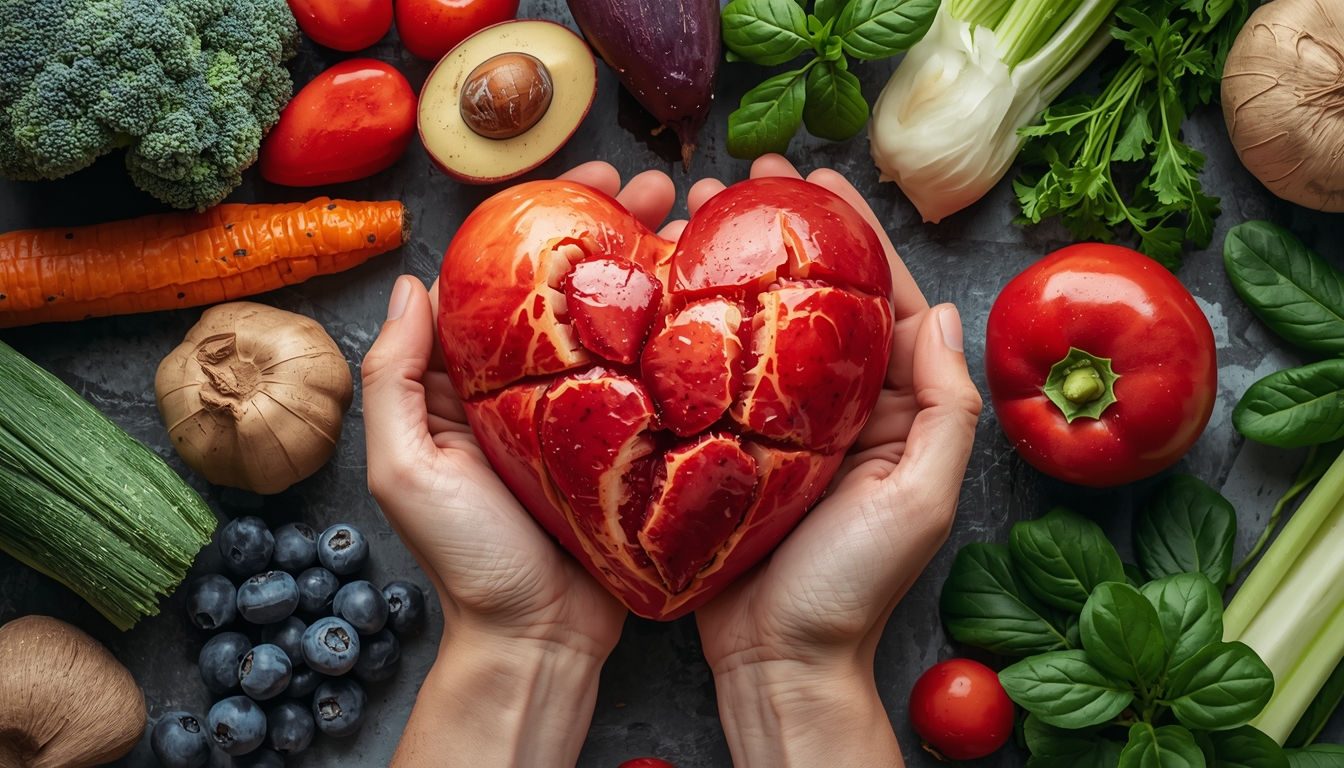
- More whole foods: Fruits, vegetables, lean proteins, whole grains
- Less processed crap: If it comes in a package with 20 ingredients, skip it
- Watch the salt: Aim for under 2,300mg daily (that's about one teaspoon)
- Better fats: Olive oil, avocados, nuts, fish. Less fried food, less processed oils.
The "rainbow" rule: Eat different colored vegetables and fruits. Different colors mean different nutrients.
Simple swap: Instead of soda, try sparkling water with lemon. Instead of chips, try nuts or veggies with hummus. Small changes add up.
2. Move Your Body (Even a Little Helps)
You don't need to become a gym person. You just need to move more than you currently do.
What works:
- 30 minutes of brisk walking, 5 days a week
- Take stairs instead of elevators
- Park farther from the store entrance
- Stand during phone calls
- Walk during lunch instead of scrolling
The goal is 150 minutes weekly of moderate activity where you're slightly breathless. That's it. Nothing crazy.
3. Actually Manage Stress (Not Just "Relax")
"Just relax" is useless advice. Here's what actually helps real people:
- Set boundaries: Stop answering emails at 10 PM
- Move to manage stress: Walk, run, lift, whatever—just move
- Talk to someone: Friends, family, therapist—don't hold it all in
- Find something that's just yours: A hobby that has nothing to do with work
- Prioritize sleep: 7-9 hours. Your heart repairs itself while you sleep.
My cousin's trick: He does 10 minutes of deep breathing in his car before going into the house. "Lets the work stress stay in the car," he says.
4. Quit Smoking and Vaping (For Real)
If you smoke, quit. If you vape, quit. If you use nicotine pouches, quit.
The stiffening of arteries caused by nicotine starts to reverse within weeks of quitting. Your body wants to heal itself if you let it.
Need help: Talk to your doctor about cessation programs. There are medications and resources that make quitting easier.
5. Know Your Numbers
You can't manage what you don't measure. Get regular check-ups and know:
- Blood pressure: Aim for under 120/80
- Cholesterol: Total under 200, LDL under 100 (under 70 if you have risk factors)
- Blood sugar: Fasting under 100
- Weight: Use our BMI Calculator to know where you stand
Family history matters: If a parent or sibling had early heart disease (under 50 for men, under 60 for women), you're at higher risk. Tell your doctor.
6. Watch the Hidden Dangers
Energy drinks: High caffeine doses (especially mixed with alcohol) can trigger dangerous irregular heartbeats. One is probably fine. Multiple daily? Not safe.
Gym supplements: Many unregulated pre-workout supplements contain stimulants that mimic amphetamines and put massive strain on the heart.
Recreational drugs: Cocaine is a leading cause of heart attacks in young people. It can cause arteries to clamp shut even in people with clean arteries. Not worth it.
Questions Young People Actually Ask
Q: I'm 28 and healthy. Do I really need to worry about heart disease? A: Plaque buildup starts in childhood. The habits you build now determine your heart at 50. Check your numbers with our BMI Calculator and Body Fat Calculator to know your baseline.
Q: My dad had a heart attack at 50. Am I doomed? A: Not at all. Family history means you need to be more aggressive about the things you CAN control—diet, exercise, not smoking, stress management. Use our Advanced BMI Calculator to track your risk factors.
Q: Can stress really cause a heart attack in young people? A: Yes. Chronic stress keeps blood pressure high and arteries inflamed. Over years, that damage adds up.
Q: I vape but don't smoke. Is that safe for my heart? A: No. Nicotine raises blood pressure, stiffens arteries, and stresses your cardiovascular system constantly. It's not safe.
Q: How do I know if my chest pain is serious or just anxiety? A: If it comes with shortness of breath, nausea, cold sweat, or spreads to your arm/jaw, call 911. If you're not sure, err on the side of caution. Better to be embarrassed than dead.
Q: I'm a woman in my 30s. Why does everyone say symptoms are different for women? A: Because they are. Women often have "atypical" symptoms—extreme fatigue, indigestion, back pain—that get dismissed. Trust your gut. If something feels wrong, push for answers.
Q: What's the single best thing I can do for my heart? A: Move more. Eat better. Sleep enough. Don't smoke. Know your numbers. Not exciting, but it's the truth.
Your Heart Health Action Plan
This Week:
- Get your blood pressure checked (free at many pharmacies)
- Use our BMI Calculator to know your number
- Take a 15-minute walk every day
- Swap one processed meal for real food
This Month:
- Schedule a physical if you haven't had one in a while
- Ask about cholesterol and blood sugar tests
- Use our TDEE Calculator to see if you're eating right for your activity level
- Add one more healthy habit (less soda, more sleep, whatever works)
This Year:
- Know your family history and share it with your doctor
- Keep tracking your numbers
- Stay consistent with healthy habits
- Celebrate small wins
The Bottom Line
My cousin Malik's friend survived his heart attack at 34. He's now on blood pressure medication, cholesterol meds, and has completely changed how he lives. "I thought I was invincible," he told Malik. "Turns out, I was just ignoring the signs."
Here's the truth: your body keeps score. Every energy drink, every sleepless night, every fast-food meal, every day spent sitting—it all adds up.
But the good news? Your body also responds when you treat it right. Start making changes now, and your heart will thank you for decades.
You're not too young to worry about heart disease. You're exactly the right age to prevent it.
Start today. Use our BMI Calculator to know your baseline. Then use our Body Fat Calculator for the full picture. Pick one thing—just one—to change this week.
Your heart has been working for you every second since before you were born. It deserves a little attention in return.
This article is for informational purposes only and isn't medical advice. Always talk to your doctor about your specific health situation.