Heart Disease Symptoms, Causes, and the New Treatments Changing Everything (Including AI)

Heart Disease Symptoms, Causes, and the New Treatments Changing Everything (Including AI)
My uncle Frank called me last month, worried. At 62, he'd started feeling this weird tightness in his chest when walking up the stairs to his apartment. "Probably just heartburn," he said. "Or getting old."
Turns out, it wasn't heartburn. Two weeks later, he ended up in the ER with a blocked artery. He's fine now, thanks to quick action and some seriously advanced technology that didn't exist even five years ago.
Here's the thing about heart disease: it's still the number one killer in America, but how we find it, treat it, and manage it has changed dramatically. And some of the newest tools including artificial intelligence are literally saving lives every day.
Let me walk you through what you actually need to know about heart disease, from symptoms to brand new treatments you might not have heard about yet.
First, What Exactly Is Heart Disease?
"Heart disease" isn't one thing. It's a catch-all term for several conditions that affect your heart. The most common ones Americans deal with:
Coronary artery disease (CAD): Plaque builds up in your arteries, narrowing them and reducing blood flow. This is what causes most heart attacks.
Heart failure: Doesn't mean your heart stops working. It means it's not pumping as well as it should. About 6 million Americans live with this.
Arrhythmias: Your heart's electrical system goes haywire. Too fast, too slow, or just irregular. Atrial fibrillation (AFib) is the most common type.
Heart valve problems: Your heart's doors don't open or close right, messing up blood flow.
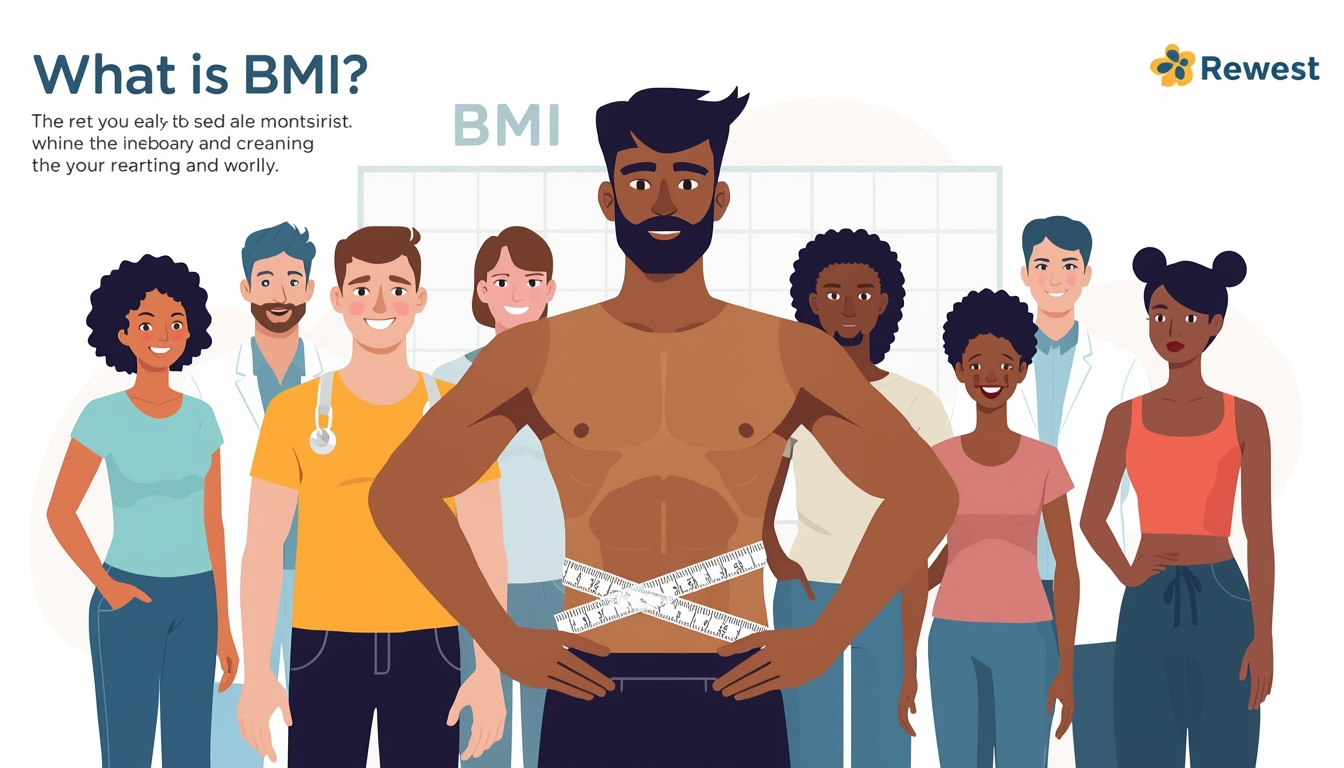
Know your risk: Your weight plays a role. Use our BMI Calculator to see where you stand. Extra weight means your heart works harder.
Heart Attack Symptoms: What Actually Feels Like
Here's what scares me: most people think a heart attack hits like in the movies clutching your chest, dramatic collapse. Reality is often way more subtle.
Common symptoms:
- Chest discomfort: Pressure, squeezing, or fullness that comes and goes
- Shortness of breath: With or without chest pain
- Upper body pain: One or both arms, back, neck, jaw, or stomach
- Cold sweat, nausea, or lightheadedness
For women especially: Symptoms can be different. My aunt had no chest pain at all just extreme fatigue and what she called "indigestion." Women are more likely than men to have shortness of breath, nausea, vomiting, and back or jaw pain.
When to act: If something feels wrong, don't wait. Call 911. Driving yourself to the hospital wastes precious time.
Who's at Risk? The Factors You Can (and Can't) Control
The ones you can't change:
- Age: Risk goes up after 55 for women, 45 for men
- Family history: Especially if a parent had early heart disease
- Race: Higher risk for African Americans and Mexican Americans
The ones you CAN change (this is where you have power):
- High blood pressure (the "silent killer")
- High cholesterol
- Smoking (including vaping)
- Diabetes
- Being overweight (check your Ideal Weight Calculator for targets)
- Not moving enough
- Poor diet
- Stress that never lets up
Quick reality check: If you have high blood pressure or diabetes and don't know it, you're not alone. Millions of Americans walk around with these and have no idea. That's why knowing your numbers matters.
New Treatments That Are Changing Heart Care
Okay, here's where it gets exciting. The last few years have brought breakthroughs that would have sounded like science fiction not long ago.
1. New Cholesterol Medications Beyond Statins
You know how statins have been the go-to for cholesterol forever? There's a new class of drugs changing the game. These are PCSK9 inhibitors, and they're incredibly effective at lowering "bad" LDL cholesterol.
How they work: They help your liver remove more cholesterol from your blood. Some are injections you take every few weeks. Newer versions in pill form are now becoming available.
Why this matters: Fewer than half of Americans with heart disease reach their LDL cholesterol goals with statins alone. These new options change that dramatically.
2. Tiny Sensors That Monitor Heart Failure
For the millions of Americans with heart failure, there's a new tool that's nothing short of remarkable. It's a tiny sensor implanted in an artery that monitors pressure in your heart.
What it does: Every day, you lie on a special pillow for a few minutes. The sensor reads pressure and sends it to your care team. They can spot trouble days or weeks before you feel symptoms, adjust your meds, and keep you out of the hospital.
One patient's story: "It's given me peace of mind and helped keep me out of the hospital. I actually sleep better knowing someone's watching."
3. AI That Reads ECGs Faster and Sometimes Better
This one blows my mind. Researchers have developed AI models that can spot problems in a standard ECG that human eyes might miss.
What this means for you: Faster, more accurate diagnosis when every minute counts. The AI doesn't replace doctors—it helps them see things they might otherwise miss.
Some hospitals now use AI to flag high-risk ECGs within seconds, before a human even looks at them. That speed saves heart muscle. And saved heart muscle means saved lives.
4. Minimally Invasive Valve Replacements
Remember when fixing a heart valve meant open-heart surgery? Months of recovery, huge scar down your chest? Not anymore.
TAVR (transcatheter aortic valve replacement) lets doctors replace a damaged valve through a tiny incision in your leg. You're up and walking the next day. Home in a few days. Back to normal life in weeks, not months.
It started as treatment for patients too sick for surgery. Now it's becoming standard for many patients, even younger ones.
5. Wearables That Actually Watch Your Heart
You might already wear an Apple Watch, Fitbit, or Garmin. But the latest versions are getting seriously good at detecting real problems.
What they can do:
- Alert you to irregular heart rhythms (like AFib)
- Track your heart rate trends over time
- Detect falls and call for help
- Take an ECG anytime, anywhere
The catch: They're not perfect. They can give false alarms. But for long-term monitoring, they're opening up new possibilities for catching problems early without being tied to a hospital.
6. AI That Predicts Heart Attacks Before They Happen
This is the holy grail, and it's starting to become real. Researchers have developed AI models that can analyze routine medical data and predict your risk of a heart attack years in advance.
How it works: The AI looks at patterns in your data and related things like subtle changes in ECGs, blood work trends, even retinal scans that humans wouldn't notice. It builds a risk profile that gets more accurate over time.
One hospital system is testing an AI that flags patients at high risk for a heart attack in the next year. Doctors can then step in with preventive treatment before anything happens.
7. The AI That Saves Doctors Time (So They Can Spend It With You)
Here's a trend you'll see more of: AI handling paperwork so doctors can focus on patients.
Some cardiology practices now use AI that:
- Listens to your conversation with the doctor
- Automatically writes up clinical notes
- Flags important information for follow-up
- Schedules tests and reminders
Early results show doctors saving hours daily on charting alone. That means more time actually talking to you, answering questions, and making sure you understand your care.
What You Can Do Right Now (Real Actions)
You don't need fancy tech to start protecting your heart today.
Step 1: Know your numbers
- Blood pressure: Aim for under 120/80
- Cholesterol: Know your LDL ("bad") and HDL ("good")
- Blood sugar: Know your A1C if you're at risk
- Weight: Use our BMI Calculator and Body Fat Calculator to understand your full picture
Step 2: Move your body You don't need a gym. Walk. Garden. Take stairs. Aim for 30 minutes a day, 5 days a week. Just get slightly breathless.
Step 3: Eat like you care about yourself More vegetables, less processed stuff. Not complicated, just hard to actually do consistently.
Step 4: Sleep Seven to eight hours. Your heart repairs itself while you sleep.
Step 5: Don't smoke If you do, quit. If you vape, know that it's not risk-free.
Step 6: Know your family history Talk to your parents and siblings. Find out if heart disease runs in your family. Then tell your doctor.
Questions People Actually Ask About Heart Health
Q: I'm 45 and healthy. Do I really need to worry about heart disease? A: Plaque buildup starts young. Like, really young—sometimes in your 20s. The habits you build now determine your heart health at 65. Check your BMR Calculator to understand your metabolism and calorie needs.
Q: My dad had a heart attack at 50. Am I doomed? A: Not at all. Family history is a red flag, not a death sentence. It means you need to be more aggressive about the things you CAN control—diet, exercise, not smoking, keeping your weight in check with our Ideal Weight Calculator .
Q: Can stress really cause a heart attack? A: Yes. Chronic stress keeps your blood pressure high and your arteries inflamed. Find ways to manage it that actually work for you. Walk, talk to someone, get enough sleep.
Q: I get chest pain when I'm stressed but not when I exercise. Is that heart-related? A: Could be. Could also be anxiety or even heartburn. But don't guess. See a doctor and get checked out. Use our Advanced BMI Calculator to check your risk factors while you wait for your appointment.
Q: What's the deal with aspirin for heart health? A: Used to be standard advice. Now doctors are more careful because aspirin can cause bleeding. Don't start aspirin without talking to your doctor.
Q: How do I know if my chest pain is serious? A: If it comes with shortness of breath, nausea, cold sweat, or spreads to your arm/jaw, call 911. If you're not sure, err on the side of caution. Better to be embarrassed than dead.
Q: I'm a woman. Why does everyone keep saying heart disease symptoms are different for women? A: Because they are. Women's arteries tend to be smaller. Plaque builds up differently. And women often have "atypical" symptoms, extreme fatigue, indigestion, back pain—that get dismissed. Trust your gut. If something feels wrong, push for answers.
Q: Can AI really predict heart attacks? A: It's getting there. Some systems can now flag high-risk patients months or years in advance. But AI is a tool, not a crystal ball. It helps doctors make better decisions faster.
Q: I have high blood pressure but feel fine. Do I really need treatment? A: Yes. High blood pressure is called the "silent killer" for a reason. No symptoms until something bad happens. Get it checked and treated. Use our calculators to track your other numbers while you're at it.
Q: What's the single best thing I can do for my heart? A: Move more. Eat better. Don't smoke. Know your numbers. Boring answer, but it's the truth.
Your Heart Health Action Plan
This Week:
- Get your blood pressure checked
- Use our BMI Calculator to know your number
- Take a 15-minute walk every day
- Eat one extra vegetable at dinner
This Month:
- Schedule a physical if you haven't had one in a while
- Ask about cholesterol and blood sugar tests
- Use our TDEE Calculator to see if you're eating right for your activity level
- Add one more healthy habit (less soda, more sleep, whatever works)
This Year:
- Know your family history
- Keep tracking your numbers
- Stay consistent with healthy habits
- Celebrate small wins
The Bottom Line
My uncle Frank? He's doing great. He had a stent placed in that blocked artery, a tiny mesh tube that props it open. He's on new medications that keep his cholesterol in check. And he wears a smartwatch that tracks his heart rate and alerts him to anything weird.
He also walks every day now. Eats more vegetables. Actually reads food labels. And he calls me every few weeks to tell me his latest numbers.
"Wish I'd taken this stuff seriously 20 years ago," he said. "But I'm grateful for today."
That's the thing about heart health. You can't change yesterday. But you can absolutely change today and tomorrow.
Start here: Use our BMI Calculator to know your baseline. Then use our Body Fat Calculator for the full picture. Then pick one thing just one to change this week.
Your heart's been working for you every second of every day since before you were born. It deserves a little attention in return.
This article is for informational purposes only and isn't medical advice. Always talk to your doctor about your specific health situation.