El Niño Is Coming: How to Stay Safe, Hydrated, and Healthy in the Months Ahead
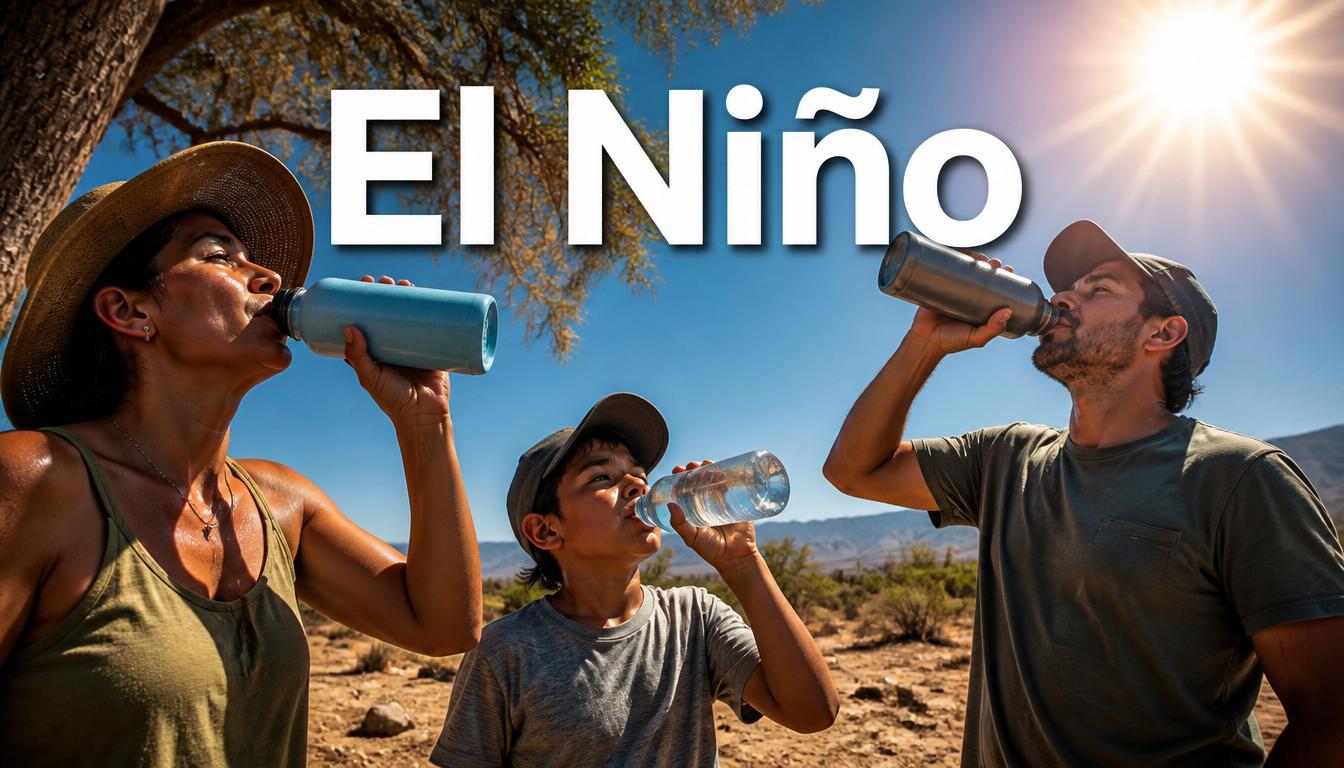
El Niño Is Coming: How to Stay Safe, Hydrated, and Healthy in the Months Ahead
You might have seen "El Niño" in the news lately and wondered what it actually means for you and your family.
Here's the short version: El Niño is a natural climate pattern that happens every few years when ocean temperatures in the Pacific get warmer than usual. That warmth changes weather patterns all around the world.
The forecast for 2026 is clear. El Niño conditions are developing and expected to get stronger over the next few months. The chance of it sticking around through 2026 is over 90%. Some experts predict it could be one of the strongest on record.
What does that mean for you? Hotter weather, more extreme conditions, and real health risks. But with the right preparation, you can keep yourself and your family safe.
Let me walk you through what's coming, how it affects your health, and exactly what you need to do.
What Is El Niño? (The Short Version)
El Niño is a warming of ocean waters in the central and eastern Pacific Ocean. This warm water affects weather patterns globally.
What it means for most of us:
- Hotter than usual temperatures
- More extreme weather (droughts in some areas, floods in others)
- Shifting rain patterns
- Longer, more intense heat waves
El Niño vs. La Niña: Think of them as opposites. El Niño warms the Pacific and usually brings warmer weather. La Niña cools it and often brings cooler, wetter conditions. We're heading into El Niño now.
When will it peak? El Niño typically peaks during late fall and winter. For 2026, experts expect conditions to intensify through the summer and reach their strongest point in the coming months. Heat waves could be more frequent and more severe.
What El Niño Means for Your Health
Extreme heat isn't just uncomfortable it's dangerous.
Heat-Related Illnesses
When temperatures rise, your body works hard to cool itself through sweating. But when it's too hot for too long, that system can fail.
Heat exhaustion:
- Heavy sweating
- Cold, clammy skin
- Dizziness or fainting
- Headache
- Nausea
- Weakness
Heatstroke (medical emergency):
- Body temperature above 103°F
- Confusion or disorientation
- Hot, dry skin (no sweating)
- Rapid, strong pulse
- Loss of consciousness
Who's most at risk:
- Children (they sweat less efficiently)
- Elderly adults (reduced thirst sensation)
- Pregnant women (higher body temperature)
- People with chronic conditions (heart disease, diabetes)
- People taking certain medications
- Outdoor workers and athletes
Dehydration Becomes a Bigger Threat
In extreme heat, you lose water through sweat faster than you realize. By the time you feel thirsty, you're already dehydrated.
Mild dehydration:
- Thirst
- Dry mouth
- Dark yellow urine
- Headache
- Fatigue
Severe dehydration:
- No urine output
- Dizziness or fainting
- Rapid heartbeat
- Confusion
- Low blood pressure
Air Quality Problems
Heat and sunlight combine with pollution to create ground-level ozone essentially, smog. This makes it harder to breathe, especially for people with asthma or lung conditions.
The Golden Rule: Hydrate Like Your Health Depends On It
Because it does.
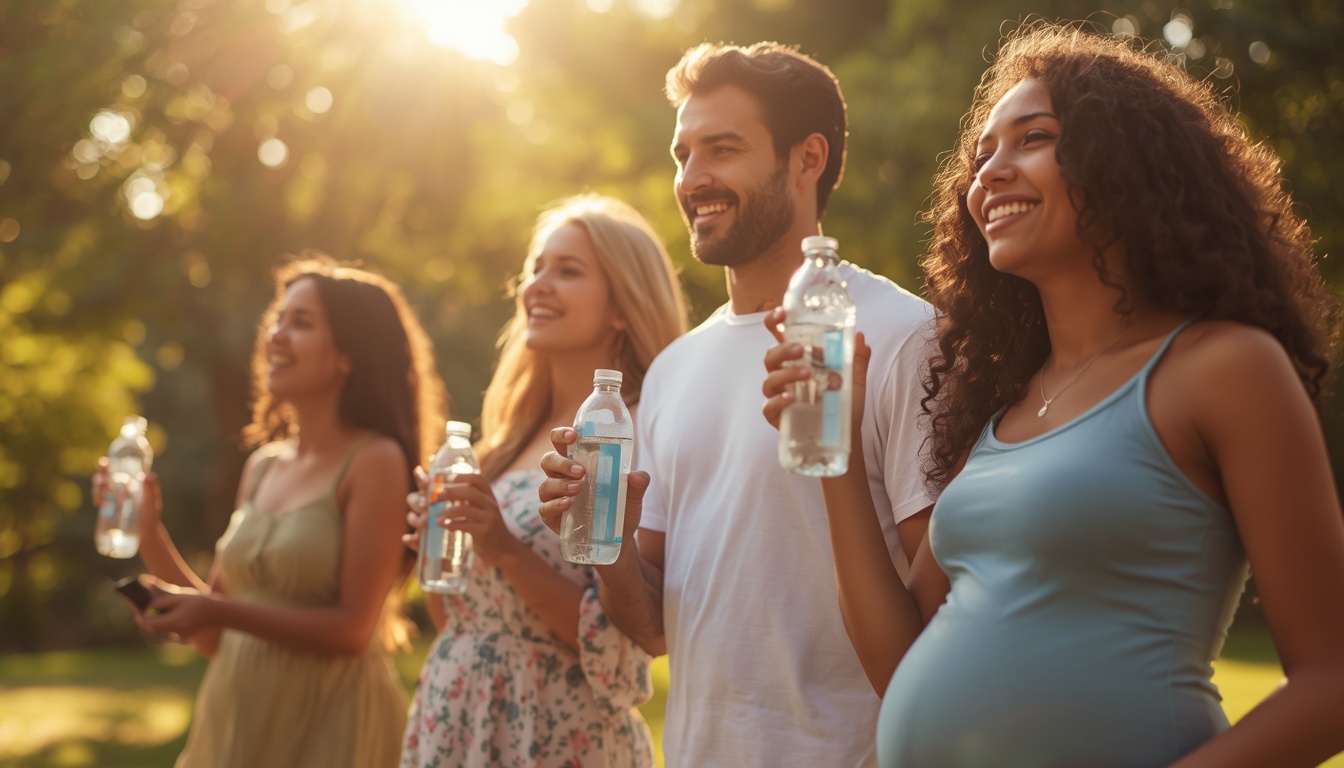
When the heat is on, drinking enough water isn't optional. Health experts agree that we need to stay ahead of thirst, not wait for it.
How Much Water Do You Need in Extreme Heat?
General guidelines during heat waves:
| Group | Daily Water Needs |
|---|---|
| Kids (4-8 years) | 6-8 cups (48-64 oz) |
| Kids (9-13 years) | 8-10 cups (64-80 oz) |
| Teens (14-18) | 10-12 cups (80-96 oz) |
| Adult Women | 11-13 cups (88-104 oz) |
| Adult Men | 15-17 cups (120-136 oz) |
| Pregnant Women | 12-14 cups (96-112 oz) |
| Breastfeeding Women | 14-16 cups (112-128 oz) |
| Seniors (65+) | 9-10 cups (72-80 oz) |
Remember: These are BASELINES for hot weather. Add more if you're:
- Exercising or doing physical work
- Spending time outdoors
- Sweating heavily
- In a space without air conditioning
Signs You're Not Drinking Enough
Check these daily:
- Urine color: Pale yellow - good. Dark yellow = drink more.
- Frequency: Should be every 3-4 hours
- Thirst: If you're thirsty, you're already behind
Electrolytes Matter Too
When you sweat, you lose minerals like sodium, potassium, and magnesium. Plain water replaces the fluid, but you also need to replace these minerals.
Good sources during heat waves:
- Electrolyte drinks (Gatorade, Powerade, Pedialyte)
- Coconut water (natural source)
- Salted foods (soup, broth, pickles)
- Fruits (bananas for potassium)
For kids: Pedialyte is better than sports drinks. Sports drinks have too much sugar.
For pregnant women: Coconut water and electrolyte drinks can help, but check with your doctor about sodium intake.
Foods That Help With Hydration
About 20-30% of your daily water comes from food. During heat waves, eat more:
High-water fruits:
- Watermelon (92% water)
- Cantaloupe (90% water)
- Strawberries (91% water)
- Oranges (88% water)
High-water vegetables:
- Cucumber (96% water)
- Celery (95% water)
- Lettuce (96% water)
- Zucchini (94% water)
Other hydrating foods:
- Soups and broths
- Smoothies
- Yogurt
- Oatmeal
**Use our Water Intake Calculator for a personalized daily goal. This tool is extra important during El Niño because it accounts for your activity level and the climate you're in.
Practical Tips to Stay Safe in Extreme Heat
At Home
Keep your space cool:
- Close curtains and blinds during the hottest part of the day
- Use fans to circulate air
- If you have AC, set it to 78°F or higher to save energy while staying safe
- If you don't have AC, find cooling centers in your community
Stay on top of hydration:
- Fill a pitcher with water every morning and track how much you drink
- Keep water bottles in every room
- Set phone reminders to drink every hour
- Drink before, during, and after any activity
Cook smart:
- Use slow cookers or stovetops instead of the oven
- Cook in the morning or evening
- Eat cool meals like salads and sandwiches
**Use our Sleep Calculator to optimize your sleep during hot nights. Poor sleep makes you more vulnerable to heat-related issues.
When You Go Outside
Plan ahead:
- Limit outdoor activity to early morning or evening (before 10 AM, after 4 PM)
- Stay in shade when possible
- Wear light colored, loose fitting clothing
- Wear a wide-brimmed hat and sunglasses
Stay hydrated on the go:
- Carry a water bottle everywhere
- Drink 4-8 ounces every 15-20 minutes when active
- Don't wait until you're thirsty
Know when to stop:
- If you feel dizzy, weak, or nauseous, stop and rest in a cool place
- If symptoms worsen, seek medical help immediately
For Kids
Keep them hydrated:
- Offer water on a schedule (every 15-20 minutes during play)
- Use fun cups or water bottles with their favorite characters
- Add fruit slices to make water interesting
- Offer hydrating snacks (fruit, yogurt, popsicles)
Signs of dehydration in kids:
- Dry lips and mouth
- Dark yellow urine (or less than 3-4 pees daily)
- No tears when crying
- Lethargy or irritability
- Sunken eyes
For active kids: Make them drink before, during, and after sports or play. Don't rely on them to remember set a timer.
Track their growth and health: Use our BMI Calculator and Body Fat Calculator to monitor overall wellness during extreme weather.
For Seniors
Older adults are especially vulnerable because:
- Thirst sensation decreases with age
- Kidneys become less efficient
- Some medications increase fluid loss
- Mobility issues may limit access to water
Keep seniors safe:
- Offer water on a schedule (every 1-2 hours)
- Don't wait for them to ask—they may not feel thirsty
- Make water easily accessible (leave bottles in living room, by bed)
- Check in regularly during heat waves
- Move them to air conditioning if their home is too hot
**Use our Water Intake Calculator to know their specific needs.
For Pregnant Women
Pregnancy increases your water needs even without extreme heat. El Niño makes it even more important.
What to do:
- Track your water intake closely
- Drink small amounts often (not huge amounts at once)
- Electrolyte drinks can help if you're sweating heavily
- Eat water-rich foods
- Avoid being outdoors during peak heat (10 AM - 4 PM)
- Check with your doctor about your specific needs
Warning signs to watch for:
- Dizziness or fainting
- Reduced fetal movement
- Contractions (even irregular ones)
- Severe headache
- Swelling in hands and face
Track your pregnancy: Use our Pregnancy Calculator to stay on top of your weeks, and our Water Intake Calculator for hydration goals.
Other Health Tools to Monitor During El Niño
Extreme weather affects your whole body. Here are tools that help you stay on top of your health:
Track Your Weight: Use our BMI Calculator and Body Fat Calculator to monitor changes. Weight fluctuations can happen in heat, so track trends over time.
Understand Your Calorie Needs: In hot weather, your body works harder to cool itself. Use our BMR Calculator and TDEE Calculator to understand your body's energy needs.
Stay on Top of Hydration: Our Water Intake Calculator is your best friend during El Niño. It gives you a personalized goal based on your weight, activity, and climate.
Optimize Your Sleep: Hot nights make sleep harder. Use our Sleep Calculator to create the best bedtime routine for better rest.
Questions People Actually Ask About El Niño and Heat Safety
Q: What is El Niño in simple terms? A: El Niño is a warming of Pacific Ocean waters that changes weather patterns around the world. It usually means hotter temperatures, more extreme weather, and longer heat waves.
Q: How long will this El Niño last? A: El Niño typically peaks in late fall and winter. The current El Niño is expected to strengthen over the coming months and may last through 2026.
Q: How much water should I drink during a heat wave? A: More than usual. For adults, aim for 11-17 cups daily depending on your size and activity level. Use our Water Intake Calculator for a personalized number.
Q: Can I drink too much water? A: Yes, but it's rare. "Water intoxication" happens when you drink huge amounts without electrolytes. For most people, the bigger risk is not drinking enough.
Q: What should I do if I feel dizzy or nauseous in the heat? A: Move to a cool place, drink water, and rest. If symptoms don't improve quickly or if you feel worse, seek medical help immediately.
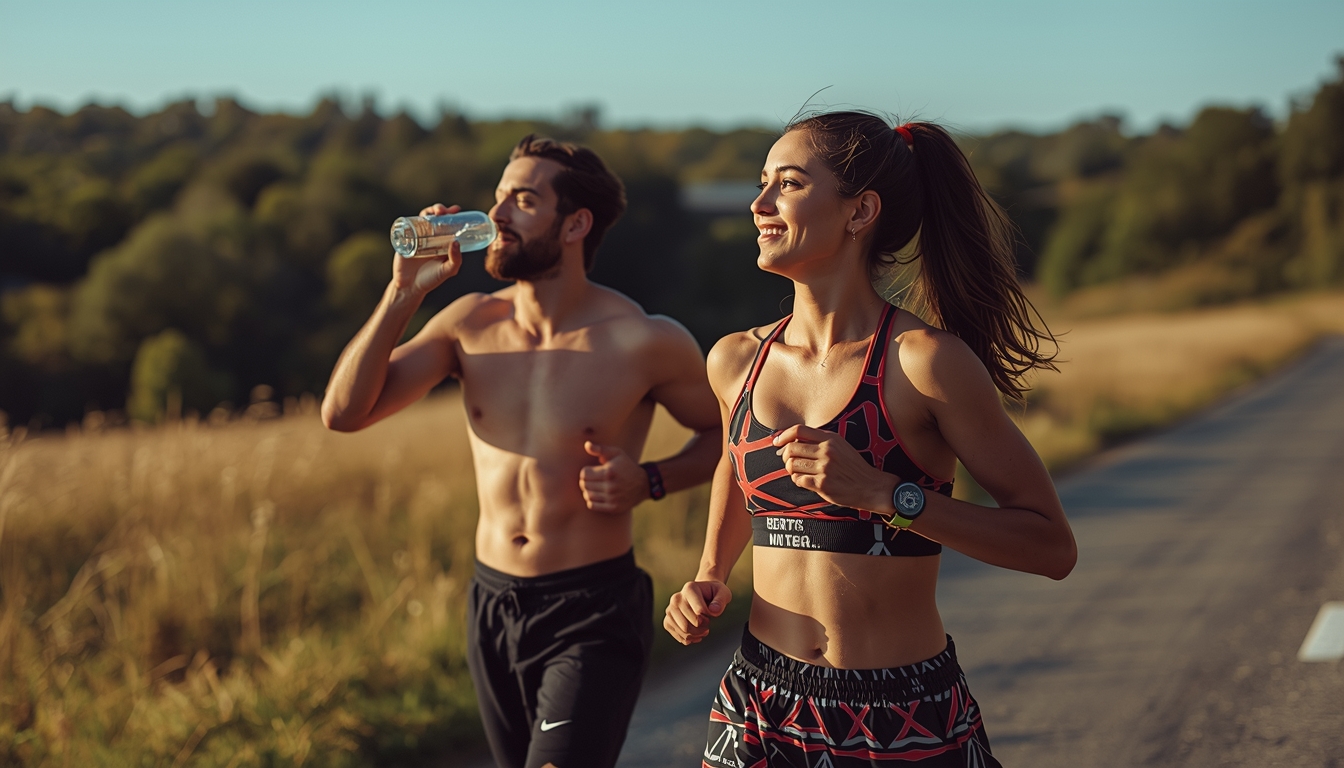
Q: Can I still exercise outside during El Niño? A: Yes, but be smart. Exercise early morning or evening. Drink before, during, and after. Take breaks in shade. Listen to your body—if you feel off, stop.
Q: What's the best way to stay cool without AC? A: Close curtains during the day. Use fans. Take cool showers. Wear light clothing. Spend time in air-conditioned public places like libraries or malls during peak heat.
Q: Should pregnant women drink more water during El Niño? A: Yes. Pregnancy already increases water needs. Extreme heat adds more. Check with your doctor about your specific hydration goals.
Q: How do I know if my child is dehydrated? A: Check for dry lips, dark urine, no tears when crying, and lethargy. If they're not peeing every 3-4 hours, they need more water.
Q: Do I need electrolyte drinks for everyday hydration? A: Usually not for everyday. Water is fine if you're not sweating heavily. If you're outside working or exercising for more than an hour, electrolyte drinks can help.
The Bottom Line
El Niño is coming, and it's bringing extreme heat with it. But you don't need to panic—you just need to prepare.
Your action plan:
- Calculate your water needs with our Water Intake Calculator right now
- Stock up on water and electrolyte supplies
- Create a family hydration schedule (everyone drinks at set times)
- Find your local cooling centers if you don't have AC
- Check on vulnerable neighbors (elderly, new parents, those with health conditions)
- Monitor your health with our tools (BMI, body fat, BMR, TDEE)
When the heat wave hits, you'll be ready.
Here's what I want you to remember: preparation saves lives. Not panic. Not stress. Just simple, smart preparation.
El Niño is coming. But you and your family are going to be okay.
Start today: Use our Water Intake Calculator to know your hydration goal. Stock up on water. Check on the people you love.
Stay cool. Stay hydrated. Stay safe.
This article is for informational purposes only and isn't medical advice. If you or someone you know shows signs of heat illness, seek emergency medical help immediately.