How Much Water Should You Drink During Pregnancy? A Complete Guide for Every Trimester

How Much Water Should You Drink During Pregnancy? A Complete Guide for Every Trimester
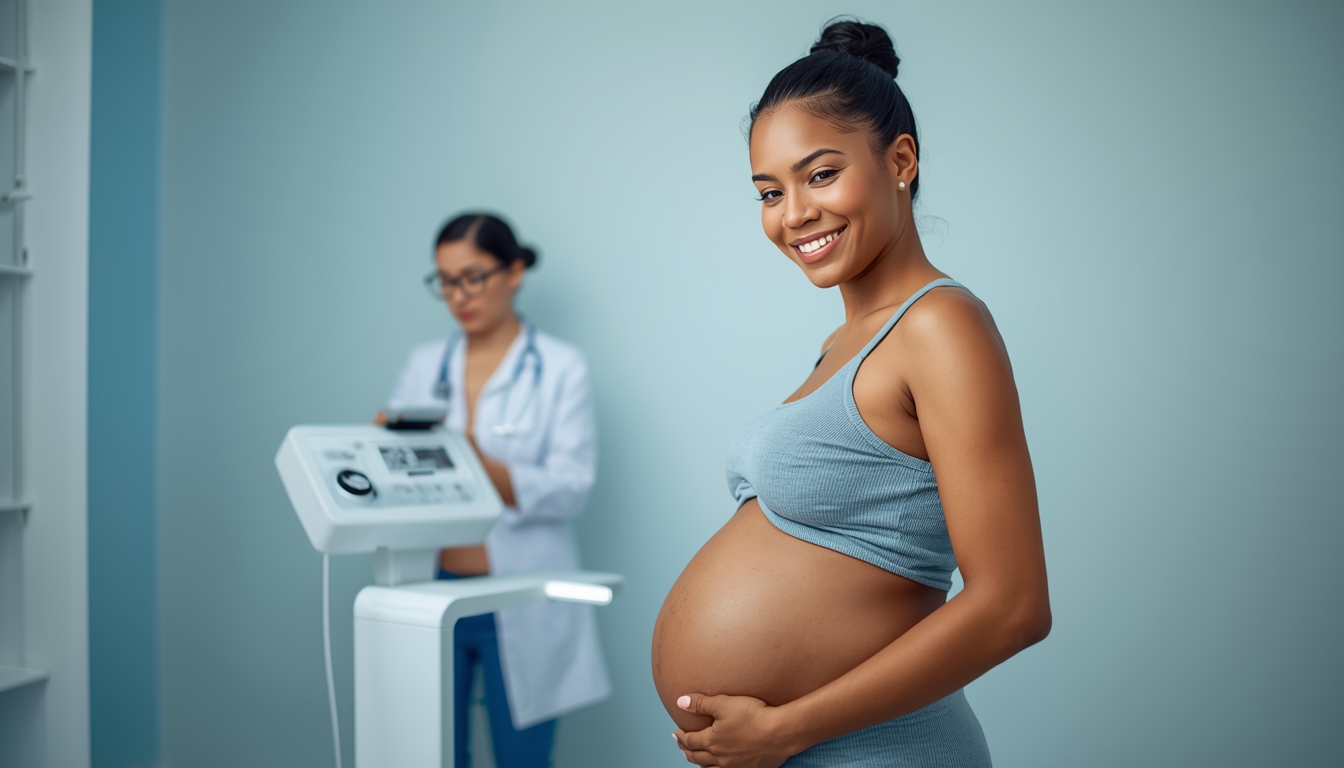
My sister called me at 7 PM, six months pregnant, practically in tears. "My ankles look like balloons, I have a headache that won't quit, and my doctor just told me I need to drink MORE water. How is that possible? I feel like I'm swimming already."
She wasn't dehydrated. She was actually overhydrated, drinking plenty of water but not getting enough electrolytes. And nobody had explained the difference.
Here's the thing nobody tells you about pregnancy hydration: It's not just about chugging water. It's about understanding what your changing body actually needs at each stage.
Let me walk you through exactly how much water you need during pregnancy, trimester by trimester, and how to know if you're getting it right.
Why Water Matters So Much When You're Pregnant
When you're pregnant, your body is basically running a 24/7 construction site. You're building a whole human from scratch. That takes water. Lots of it.
What water does during pregnancy:
- Forms the amniotic fluid that cushions your baby
- Helps build new tissue (for you AND baby)
- Carries nutrients through your blood to the placenta
- Aids digestion and prevents constipation (huge during pregnancy)
- Flushes out waste and toxins
- Regulates your body temperature
- Keeps your joints working (hello, third trimester!)
The numbers: Your blood volume increases by about 50% during pregnancy. That's a lot of extra fluid your body needs to manufacture.
How Much Water Do You Actually Need?
The old "8 glasses a day" rule doesn't cut it when you're pregnant. You need more.
General guideline for pregnant women:
- First trimester: 8-10 cups (64-80 ounces) daily
- Second trimester: 9-11 cups (72-88 ounces) daily
- Third trimester: 10-12 cups (80-96 ounces) daily
- Breastfeeding: 12-14 cups (96-112 ounces) daily
But here's the catch: These are general numbers. Your actual needs depend on:
- Your body size (use our BMI Calculator for your pre-pregnancy baseline)
- Your activity level (check your TDEE Calculator to see how many calories you're burning)
- Your climate (hot weather = more water)
- How far along you are
My sister's mistake: She's 5'2" and was trying to drink the same amount as her 5'8" friend. Smaller body = smaller water needs generally.
First Trimester: When Water Feels Impossible
First trimester hydration is HARD. You're exhausted, nauseous, and the thought of drinking plain water might make you gag. I've been there.
Common first trimester challenges:
- Nausea makes drinking water tough
- Food aversions (even water can taste wrong)
- Fatigue means you forget to drink
- Frequent peeing (why add more?!)
What actually helps:
Sip don't gulp. Chugging water when you're nauseous is a recipe for throwing up. Small sips throughout the day work better.
Try cold water. Many women find ice-cold water easier to keep down. Add ice cubes. Keep a insulated cup nearby.
Flavor it naturally. Lemon, lime, cucumber, mint like anything that makes water more appealing. My friend Sarah swore by lemon water with a tiny pinch of salt during her first trimester.
Eat your water. Watermelon, cucumbers, oranges, grapes, all high-water-content foods count toward hydration.
Check your electrolyte balance. If you're vomiting, you're losing electrolytes. Our Body Fat Calculator can help you understand your baseline body composition, but for electrolytes, pay attention to: do you feel dizzy? Muscle cramps? That's a sign you need more than just water.
Real talk from my cousin Maria: "I lived on ice chips and watermelon for weeks. My doctor said 'whatever you can keep down' and meant it."
Second Trimester: The Sweet Spot
Second trimester is usually when energy returns and nausea fades. Your water needs increase now because your blood volume is really ramping up.
What's happening:
- Baby is growing fast
- Amniotic fluid is increasing
- Your heart is working harder
- You might start feeling warmer
Second trimester hydration tips:
Invest in a good water bottle. Get one with ounce markings so you can track. Keep it with you always. I'm talking bedside, desk, car, purse.
Set phone reminders. Every hour, drink a few ounces. It's easy to get busy and forget.
Add electrolytes once daily. You don't need expensive sports drinks. A pinch of salt and a squeeze of lemon in water works. Coconut water is another good option.
Watch for dehydration signs:
- Dark yellow urine (should be pale yellow)
- Dry mouth or lips
- Dizziness when standing up
- Headaches
- Fewer than 4 bathroom trips in 24 hours
Track your baseline: Use our BMR Calculator to understand your body's basic needs. Pregnancy increases your calorie needs, which increases water needs too.
Third Trimester: The Swelling Struggle
Third trimester brings new challenges. Your growing baby is pressing on your bladder (more peeing), but you also might notice swelling in your feet and ankles.
The swelling confusion: Many women think drinking less water will reduce swelling. Actually, the opposite is true. When you're dehydrated, your body holds onto every drop it can, making swelling worse.
What's happening:
- Baby is taking up space, including stomach room
- You're peeing constantly
- Swelling is common (especially feet and ankles)
- You might get heartburn (water can help or hurt)
Third trimester hydration tips:
Small amounts, often. Your stomach has less room now. Chugging water leads to discomfort. Sip throughout the day instead.
Elevate and hydrate. If your feet are swollen, put them up AND drink water. The combination helps your body circulate fluids better.
Watch the sodium. Not just in salt shakers—check food labels. Canned soups, processed snacks, restaurant food all hide a lot of sodium. Pair salty meals with extra water.
Know when to call the doctor. Sudden severe swelling in hands and face, along with headache and vision changes, can be a sign of preeclampsia. That's an emergency.
Check your weight gain: Use our Ideal Weight Calculator to see if your pregnancy weight gain is on track. Too much too fast can affect fluid balance.
Drinks That Count (And Drinks That Don't)
YES, these count toward your water intake:
- Plain water (best choice)
- Sparkling water (fine in moderation)
- Herbal teas (check which are pregnancy-safe)
- Milk (counts as fluid)
- Juice (limit to 4-6 ounces daily, because too much sugar)
- Smoothies (count as fluid and food)
- Soups and broths (especially good if you're sick)
NO, these don't count (or make things worse):
- Soda (too much sugar, caffeine)
- Coffee (limit caffeine to 200mg daily, about 12 ounces)
- Sugary drinks (empty calories, dehydrating)
- Alcohol (none during pregnancy, period)
Smart swaps from my nutritionist:
- Craving soda? Try sparkling water with a splash of juice
- Need flavor? Infuse water with fruit overnight
- Bored with plain water? Try different temperatures (iced, room temp, warm with lemon)
Foods That Help With Hydration
About 20% of your water intake comes from food. During pregnancy, that matters.
Top high-water foods:
- Watermelon (92% water)
- Cucumbers (96% water—basically water in vegetable form)
- Strawberries (91% water)
- Cantaloupe (90% water)
- Peaches (89% water)
- Oranges (88% water)
- Lettuce (96% water)
- Celery (95% water)
- Zucchini (94% water)
- Tomatoes (94% water)
Easy ways to add them:
- Add berries to morning yogurt
- Keep cut veggies in the fridge for snacks
- Make a big salad with dinner
- Blend fruit into smoothies
- Infuse water with cucumber and mint
Signs You're Drinking Enough (Or Not)
Good signs:
- Pale yellow urine (not dark, not totally clear)
- Regular bathroom trips (5-8 times daily)
- Normal skin (pinch test-skin snaps back)
- Regular bowel movements (fiber + water = less constipation)
- Good energy levels
Warning signs of dehydration:
- Dark yellow or amber urine
- Dry mouth or lips
- Dizziness or lightheadedness
- Headaches that won't quit
- Constipation (common in pregnancy anyway, but worse with low water)
- Fewer bathroom trips than usual for YOU
Warning signs of overhydration (yes, it's possible):
- Clear urine constantly
- Frequent urination (more than every hour)
- Nausea or headache
- Muscle cramps (from low sodium)
My sister's lesson: She was drinking so much her sodium got diluted. Now she adds electrolytes and feels way better.
Real Questions Pregnant Women Ask About Water
Q: Does drinking water help with morning sickness? A: Yes and no. Staying hydrated helps overall, but chugging water on an empty stomach can make nausea worse. Small sips throughout the day, maybe with lemon or ginger, works better.
Q: I'm peeing constantly. Do I really need to drink more? A: Yes. Frequent peeing is normal in pregnancy (baby pressing on bladder). Don't cut water to reduce bathroom trips—that leads to dehydration and can cause UTIs.
Q: Can I drink sparkling water? A: Yes, in moderation. The bubbles might cause gas or heartburn for some women. If it bothers you, stick to still water.
Q: How do I know if I'm drinking enough for my body size? A: Start with your pre-pregnancy numbers in our BMI Calculator . Then add 8-12 ounces per trimester. For example: pre-pregnancy needs 64 ounces + first trimester 8 ounces = 72 ounces daily.
Q: Does water affect swelling? A: Yes. Drinking enough water actually helps reduce swelling. Dehydration makes your body hold onto fluid. Well-hydrated bodies circulate fluid better.
Q: I hate plain water. What can I do? A: Try infused water (fruit + herbs in water overnight), herbal tea, sparkling water with splash of juice, or eat more high-water foods. You don't have to suffer through plain water.
Q: Can I drink coconut water? A: Yes, coconut water is great for natural electrolytes. Just check labels—some have added sugar. Plain coconut water is best.
Q: Does water help with leg cramps? A: Often yes. Leg cramps in pregnancy can be from low magnesium or dehydration. Water + magnesium-rich foods (bananas, nuts, leafy greens) helps many women.
Q: I'm due in August and terrified of summer heat. Help? A: Increase water by 8-12 ounces on hot days. Wear loose clothing. Stay indoors during peak heat. Electrolytes become extra important when you're sweating. Use our TDEE Calculator to adjust for increased activity in heat.
Q: When should I call the doctor about hydration? A: If you can't keep water down for 24 hours, have severe dizziness, notice sudden swelling in hands and face, or have fewer than 4 wet diapers/bathroom trips in 24 hours.
Your Pregnancy Hydration Action Plan
First Trimester:
- Keep water by your bed for morning sips
- Try cold water with lemon if nauseous
- Eat high-water foods when drinking feels hard
- Track intake with marked water bottle
Second Trimester:
- Increase to 9-11 cups daily
- Add electrolytes once daily
- Set hourly reminders to drink
- Watch urine color as guide
Third Trimester:
- Sip small amounts often (stomach has less room)
- Don't cut water to reduce peeing
- Elevate feet AND hydrate for swelling
- Watch for preeclampsia signs
All Trimesters:
- Use our Body Fat Calculator to track healthy body composition changes
- Check your BMR Calculator to understand calorie needs (which affect water needs)
- Know your baseline from BMI Calculator
Helpful Tips That Actually Work
Tip 1: Make it a habit loop Put your water bottle next to things you already do: by coffee maker (drink water while coffee brews), by bed (drink when you wake up), in car (drink while driving).
Tip 2: Use the "two sip" rule Every time you pass a water source (kitchen, water cooler), take two sips. It adds up without feeling like effort.
Tip 3: Try temperature variations Some women love ice water. Others prefer room temp. Some like warm water with lemon. Experiment and find YOUR preference.
Tip 4: Track with an app Many pregnancy apps have water tracking. Seeing your progress helps you stay on track.
Tip 5: Involve your partner Ask your partner to hand you water when they get some for themselves. Makes it a team effort.
Tip 6: Flavor without sugar Mason jar + water + fruit + herbs overnight = delicious infused water. Try strawberry-basil, lemon-ginger, cucumber-mint.
Tip 7: Don't stress perfection Some days you'll drink plenty. Some days you'll fall short. Aim for average over time, not perfection daily.
The Bottom Line
My sister who called about her swollen ankles? She started adding electrolytes to one bottle of water daily, kept sipping throughout the day, and stopped chugging huge amounts at once.
Two weeks later: "My ankles look normal, my headache is gone, and I actually feel better than I have in months. Why didn't anyone explain this sooner?"
Here's what I want you to remember:
- Your water needs increase every trimester
- It's not just about amount—electrolytes matter too
- Food counts toward hydration
- Listen to your body's signs
- Use our calculators to understand YOUR body, not averages
Start today: Grab your water bottle. Fill it up. Take a few sips right now. Then use our ovulation calculator if you're planning pregnancy, or our BMI Calculator for your baseline if you're already pregnant.
Your body is doing amazing things right now. Give it the water it needs to do that job well.
This article is for informational purposes only and isn't medical advice. Always talk to your doctor about your specific pregnancy needs.