How to Increase Fertility Naturally: 11 Science-Backed Ways to Boost Your Chances of Getting Pregnant
How to Increase Fertility Naturally: 11 Science-Backed Ways to Boost Your Chances of Getting Pregnant
My cousin Jenna sat at my kitchen table, tears streaming down her face. "I've been doing everything right," she said. "I cut out coffee, I'm taking prenatal vitamins, I even stopped having wine with dinner. Why isn't it working?"
She'd been trying to conceive for eight months. Eight months of obsessing, tracking, and wondering if her body was broken.
Here's what I told her: Most fertility advice is either too vague or way too complicated. Eat this, don't eat that, do yoga, don't stress, have sex, but not too much sex—it's enough to make anyone crazy.
So let's cut through the noise. Here are the things that actually help, backed by real experience from women who've been there.
First Things First: Know When You're Actually Fertile
Before you change anything else, make sure you're timing things right. Because you can eat all the kale in the world, but if you're missing your fertile window, it won't matter.
Your fertile window is about 6 days each month: the five days before you ovulate plus the day of ovulation itself. Sperm can live inside you for up to five days, so having sex in the days leading up to ovulation gives you the best shot.
Not sure when you ovulate? Use our ovulation calculator to figure out your most fertile days based on your cycle length.
Real talk from my friend Lauren: "I was using a generic app that assumed I ovulated on day 14. Turns out I ovulate on day 18. We'd been missing our window for four months without realizing it."
Fertility Food #1: Eat for Blood Sugar Stability
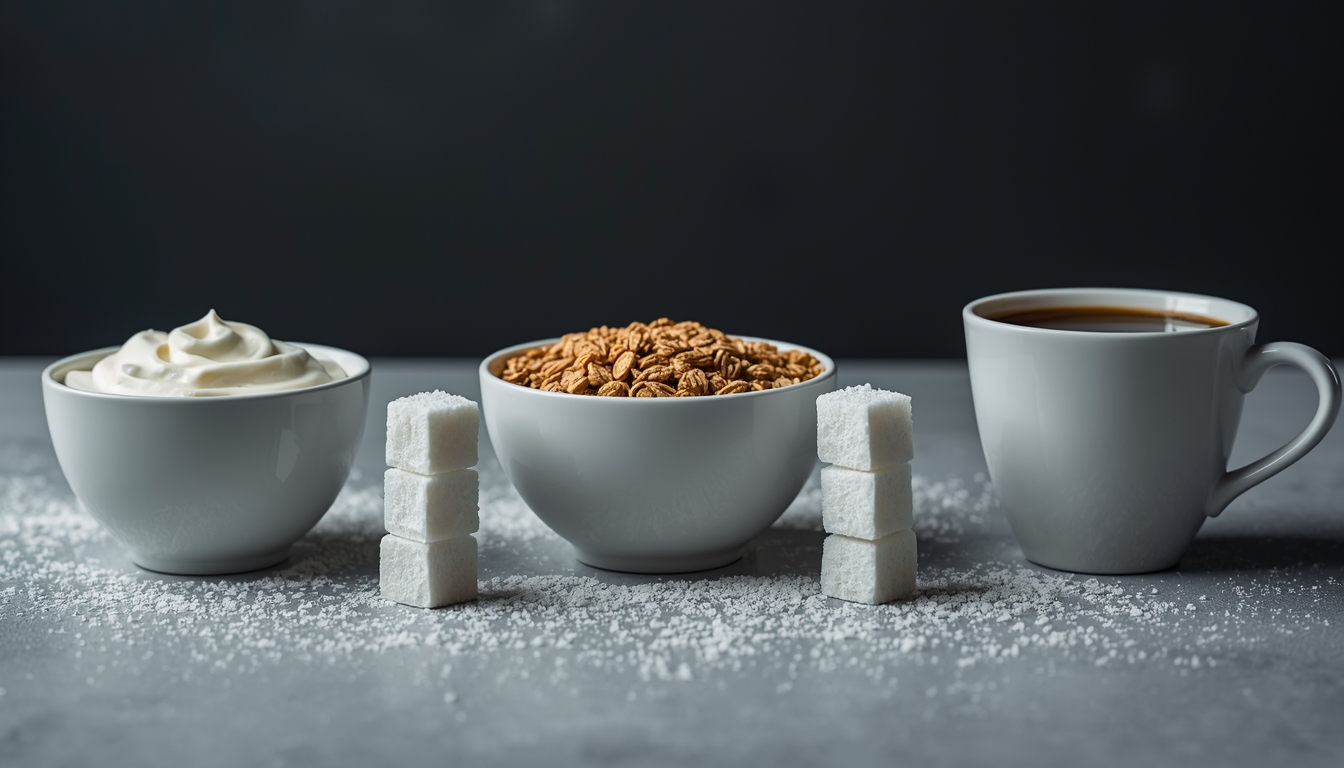
Here's something most people don't connect: blood sugar spikes mess with your hormones.
When your blood sugar crashes, your body releases stress hormones. Those stress hormones can delay or even stop ovulation.
What helps:
- Protein at every meal (eggs, chicken, fish, beans, Greek yogurt)
- Healthy fats (avocado, olive oil, nuts, seeds)
- Fiber-rich carbs (vegetables, beans, whole grains)
- Less sugar and white flour (they spike blood sugar)
My sister's change: She swapped her morning bagel for eggs and avocado. "My energy stopped crashing mid-morning and my cycles got more regular within two months."
Fertility Food #2: Full-Fat Dairy Might Be Better Than Low-Fat
This one surprised me. Studies suggest that women who eat full-fat dairy have better ovulation rates than women who stick to low-fat or non-fat dairy.
Why: Fat helps your body absorb fat-soluble vitamins (A, D, E, K) that matter for hormone production.
What that looks like:
- Full-fat yogurt instead of fat-free
- Whole milk lattes instead of skim
- Real cheese, not processed cheese products
Heads up: This isn't a license to eat unlimited cheese. Just choose full-fat versions of what you normally eat.
Fertility Food #3: Complex Carbs Over Simple Carbs
Simple carbs (white bread, white rice, sugary snacks, soda) spike blood sugar fast. Complex carbs (vegetables, beans, quinoa, oats, brown rice) release energy slowly.
Simple swap: Instead of white rice with dinner, try brown rice or quinoa. Instead of crackers for a snack, try veggies with hummus.
Check your overall nutrition: Use our BMR Calculator to see if you're eating enough calories. Eating too little can actually shut down ovulation.
Fertility Food #4: Don't Forget Healthy Fats
Your body needs fat to make hormones. No fat = no hormones = no ovulation.
Best sources:
- Avocados
- Olive oil
- Nuts (especially walnuts)
- Seeds (flax, chia, pumpkin)
- Fatty fish (salmon, sardines)
- Eggs with yolks (yes, eat the yolk)
Lifestyle Change #1: Get Your Weight in a Healthy Range
This one's tough to hear, but it matters. Both being underweight and being overweight can affect ovulation.
Too thin: Your body may not have enough energy reserves to support a pregnancy. It can literally "turn off" ovulation.
Too heavy: Excess fat cells produce extra estrogen, which can throw off your hormone balance and make ovulation irregular.
Where to check: Use our BMI Calculator to see where you fall. Then use our Ideal Weight Calculator to get a target range based on your height and frame.
My friend Maria's story: "I'd been struggling with irregular periods for years. Lost 15 pounds (just by walking more and swapping soda for water) and my cycles got regular for the first time since high school."
Lifestyle Change #2: Move Your Body, But Not Too Much
Exercise is great for fertility. But too much intense exercise can actually work against you.
What works best:
- Moderate exercise most days (walking, swimming, gentle cycling, yoga)
- Strength training 2-3 times a week
- High-intensity workouts limited to 2-3 times a week (not daily)
The red flag: If your periods become irregular or stop when you exercise a lot, you might be overdoing it.
Track your activity: Use our TDEE Calculator to see how many calories you're actually burning. Eating too little for your activity level can stress your body.
Lifestyle Change #3: Sleep Matters More Than You Think
Your body repairs hormones while you sleep. Skimp on sleep, and your hormones pay the price.
What happens with too little sleep:
- Cortisol (stress hormone) goes up
- Melatonin (sleep hormone) gets out of balance
- Ovulation can get delayed or skipped
Aim for: 7-9 hours of quality sleep. Same bedtime, same wake time, even on weekends.
Lifestyle Change #4: Watch Your Caffeine
You don't have to quit coffee completely. But too much caffeine is linked to longer time to pregnancy.
The general guideline: Keep it under 200mg per day. That's about one 12-ounce cup of coffee.
What that means: One coffee is fine. Three coffees plus soda plus tea? Too much.
Lifestyle Change #5: Be Careful With Alcohol
The research here is mixed. Some studies say occasional drinking is fine. Others say even moderate drinking affects fertility.
The safe bet: If you're actively trying to conceive, limit alcohol to 1-2 drinks per week, or skip it entirely during your fertile window.
My approach when I was trying: I'd have a glass of wine on Friday night, but that was it. Felt doable and not restrictive.
Lifestyle Change #6: Check What You're Putting On Your Body
Your skin absorbs things. Some personal care products contain chemicals that can mess with hormones.
Things to check:
- Fragrances (often contain phthalates)
- Non-stick cookware (when scratched)
- Plastic food containers (especially if heated)
- Receipts (thermal paper has BPA)
Simple swaps:
- Glass containers instead of plastic for leftovers
- Stainless steel or cast iron pans
- "Fragrance-free" or "phthalate-free" products
- Wash hands after handling receipts
Don't stress about this one—just make swaps when you can.
Lifestyle Change #7: Manage Stress (For Real, Not Just "Relax")
I know, I know. "Just relax" is the most annoying advice ever. But chronic stress really does affect fertility.
Why: Stress hormones tell your body "not now, too dangerous for a baby."
What actually helps:
- Morning sunlight (sets your circadian rhythm)
- Movement you enjoy (not exercise you dread)
- Talking to someone who gets it
- Saying no to things that drain you
- Acupuncture (some women swear by it)
My friend Dana's experience: "I started doing 10 minutes of deep breathing every morning. Sounds silly, but my cycle went from 45 days to 32 days in three months."
Lifestyle Change #8: Know Your Partner's Health Matters Too
Fertility isn't just on you. About one-third of fertility issues are male factor, one-third female factor, and one-third both or unknown.
Things that affect sperm health:
- Heat (hot tubs, laptops on lap, tight underwear)
- Smoking and marijuana
- Heavy drinking
- Certain medications
- Weight (too high or too low)
What helps:
- Boxers instead of briefs
- Cooler environment
- Healthy diet (same foods that help you, help him)
- Exercise (but not too much intense cycling)
Have him use our BMI Calculator too. It's a team effort.
Supplements That Might Help
Always talk to your doctor before starting supplements. But here's what many women try:
For women:
- Prenatal vitamin (with folate)
- CoQ10 (especially if over 35)
- Vitamin D (most of us are low)
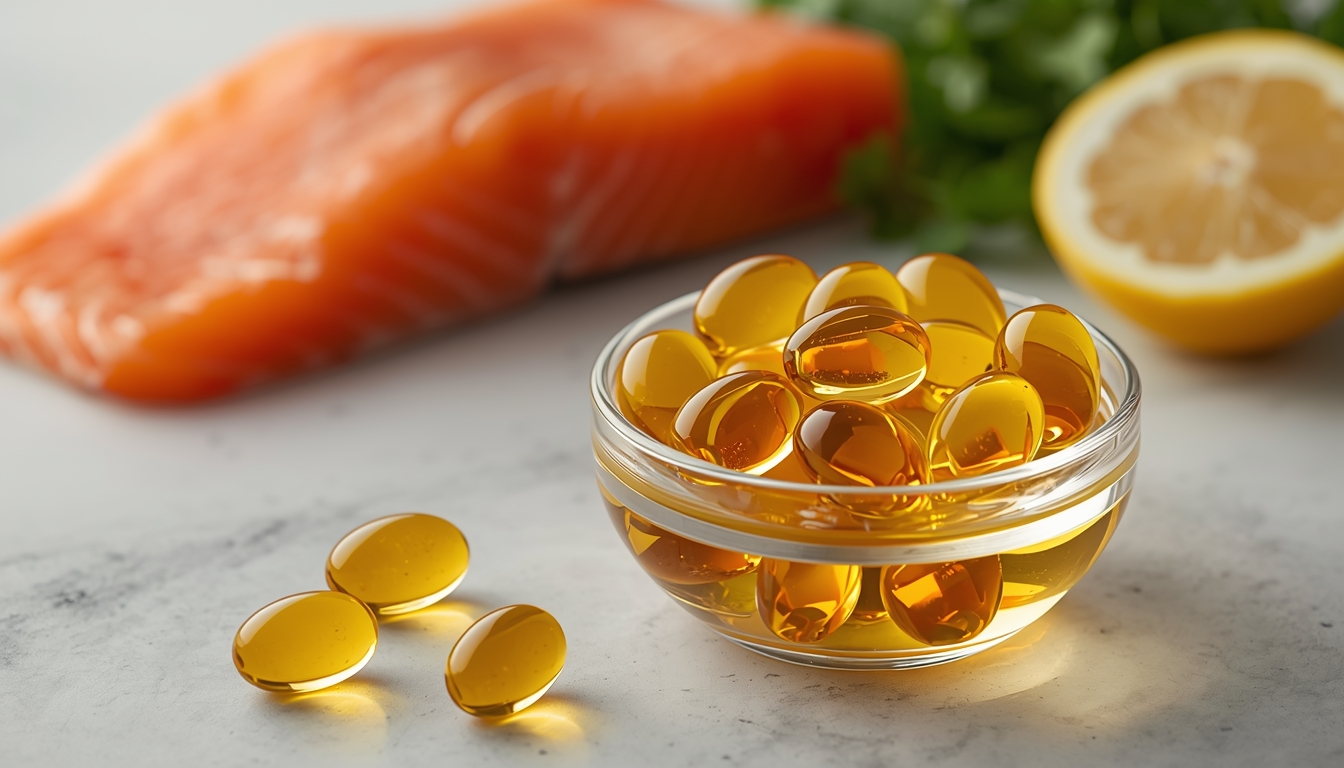
- Omega-3s (fish oil)
For men:
- Multivitamin
- Zinc
- CoQ10
- Vitamin C
Questions Women Actually Ask About Boosting Fertility
Q: How long does it take to see results from these changes? A: Sperm take about 70-90 days to mature. Eggs take about 90 days to develop before ovulation. So give any changes at least 3 months to work.
Q: I'm 38. Is it too late to boost my fertility naturally? A: Not at all. Age affects egg quality and quantity, but healthy habits still matter. Focus on blood sugar balance, good sleep, and managing stress. And don't wait too long to see a doctor if you've been trying 6 months.
Q: Can I still exercise during my two-week wait? A: Yes. Moderate exercise is fine. Avoid super intense workouts and overheating. Listen to your body.
Q: Does acupuncture really help? A: Some studies say yes, especially around the time of embryo transfer for IVF. For natural conception, many women find it helps with stress, which can only help.
Q: I have PCOS. Will any of this help? A: Yes, especially blood sugar balance. PCOS is closely linked to insulin resistance. Eating for stable blood sugar (protein + fat + fiber at every meal) can make a big difference. Use our Body Fat Calculator to track changes in body composition over time.
Q: How do I know if I'm even ovulating? A: Regular cycles (21-35 days) usually mean you're ovulating. Other signs: egg-white cervical mucus, mild cramping mid-cycle, temperature shift after ovulation. Use our ovulation calculator to track.
Q: Should I have sex every day during my fertile window? A: Every other day works just as well as every day. Sperm quality might actually be better with a day in between. Every 2-3 days all month covers your bases without pressure.
Q: I'm over 40. What should I focus on most? A: Don't waste time. See a reproductive specialist after 3-6 months of trying. In the meantime, focus on CoQ10, blood sugar balance, and reducing stress. Time matters most at this age.
When to Stop "Natural" and See a Doctor
These lifestyle changes help, but they're not magic. Make an appointment if:
- You're under 35 and have been trying for 12 months
- You're 35-40 and have been trying for 6 months
- You're over 40 and have been trying for 3-6 months
- You have irregular or absent periods
- You have known health issues (PCOS, endometriosis, thyroid problems)
- Your partner has known fertility concerns
Simple Action Plan to Boost Fertility Naturally
Week 1-2: Track and Observe
- Start using our ovulation calculator
- Pay attention to cervical mucus and cycle signs
- Notice energy patterns and mood changes
Week 3-4: Make Food Swaps
- Add protein to breakfast
- Swap one simple carb for complex carb daily
- Choose full-fat dairy once a day
Week 5-6: Adjust Lifestyle
- Check your BMI and ideal weight range
- Add 10-15 minutes of morning sunlight
- Move your body in ways you enjoy
- Start a gentle bedtime routine
Week 7-8: Fine-Tune
- Review what's working
- Adjust based on how you feel
- Keep tracking cycles
- Consider supplements with doctor guidance
The Bottom Line
My cousin Jenna who was crying at my kitchen table? She started tracking ovulation with our ovulation calculator . She added protein to breakfast. She stopped her evening wine and replaced it with herbal tea and a walk with her husband.
Four months later, she sent me a photo of a positive pregnancy test.
"It wasn't one big thing," she said. "It was a bunch of small things that added up to my body finally feeling ready."
That's the truth about boosting fertility naturally. It's not about perfection. It's about giving your body what it needs and getting out of its way.
Start today: Use our ovulation calculator to know your fertile window. Pick ONE food swap to try this week. Add ONE lifestyle change next week.
Small steps. Consistent over time. That's how it happens.
This article is for informational purposes only and isn't medical advice. Always talk to your doctor about your specific situation.