Back to Home

BMI Limitations: 5 Things Your Doctor Won't Tell You About BMI

March 3, 2024
BMI Limitations: 5 Things Your Doctor Won't Tell You About BMI

BMI Limitations: 5 Things Your Doctor Won't Tell You About BMI

My friend Mark called me furious last month. "I just got back from my physical," he said. "The doctor told me my BMI is 28 and I'm 'overweight.' Mark is 6'2", 220 pounds, and can bench press more than most guys at the gym. He runs 5Ks for fun. His body fat? 16%.

Sound familiar?

BMI is everywhere. Doctors use it. Insurance companies use it. Fitness apps use it. But here's the truth: BMI has major limitations that don't get talked about enough.

Let's break down what BMI actually measures, where it falls short, and what you should track instead.

First: What Is BMI, Really?

Quick refresher. Body Mass Index (BMI) is a number calculated from your height and weight:

BMI = weight (lbs) ÷ height (inches)² × 703

Or in metric: BMI = weight (kg) ÷ height (m)²

The categories:

  • Below 18.5: Underweight
  • 18.5 - 24.9: Healthy weight
  • 25.0 - 29.9: Overweight
  • 30.0 and above: Obese

Use our BMI Calculator to get your number in 30 seconds.

Here's what doctors don't always tell you.

Limitation #1: BMI Can't Tell Muscle from Fat

This is the biggest one. Muscle and fat weigh the same on a scale. But they're completely different when it comes to health.

Real example: My friend Dana is a CrossFit coach. She's 5'6", 160 pounds, with visible abs. Her BMI is 25.8 - technically "overweight." Her body fat percentage? 19% - firmly in the "athlete" range.

BMI sees her as unhealthy. She's one of the fittest people I know.

Another example: Tom Brady during his playing days was 6'4", 225 pounds. His BMI was 27.4 - "overweight." Nobody in their right mind would call Tom Brady unhealthy.

What BMI misses:

  • Muscle weighs more than fat (about 18% more)
  • Athletes and active people get penalized
  • You can be "overweight" by BMI but have low body fat

What to use instead: Our Body Fat Calculator shows you what you're actually made of.

Limitation #2: BMI Ignores Where Fat Is Stored

Where your body stores fat matters more than how much fat you have.

Visceral fat is the dangerous kind. It wraps around your organs - liver, pancreas, intestines - and releases inflammatory substances that increase risk for:

  • Heart disease
  • Type 2 diabetes
  • High blood pressure
  • Certain cancers

Subcutaneous fat is the pinchable stuff under your skin. It's less harmful to your health.

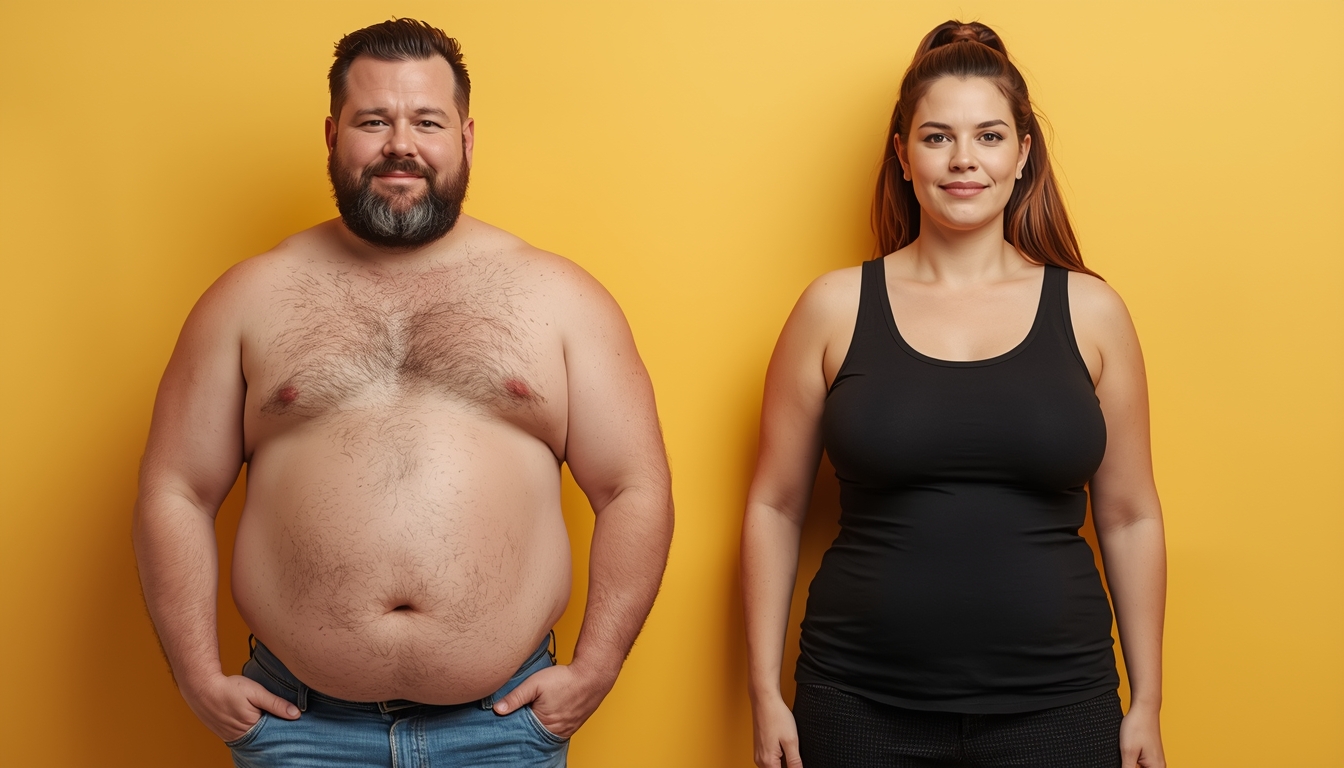
Real example: Two women can both be 5'4", 150 pounds, BMI 25.7. Same number. Completely different health profiles.

  • Woman A carries weight in her hips and thighs (pear shape). Lower health risk.
  • Woman B carries weight in her belly (apple shape). Higher health risk for diabetes and heart disease.

What BMI misses: It can't see inside your body. It doesn't know if that weight is around your organs or under your skin.

What to use instead: Measure your waist. Use our Advanced BMI Calculator which considers waist circumference for a better picture.

Limitation #3: BMI Doesn't Account for Age

Your body changes as you age. BMI treats a 25-year-old and a 65-year-old the same.

What happens with age:

  • You naturally lose muscle (sarcopenia)
  • You gain fat, especially around the middle
  • Bones can become less dense

Real example: My mom is 68, active, walks daily, eats well. Her BMI is 24.5 - technically "healthy." But her body fat is 34% because she's lost muscle over the years. Her health risks are different now than they were at 40.

What BMI misses: Age-related changes in body composition are normal. A "healthy" BMI at 65 might actually mean you've lost too much muscle.

What to use instead: Our Body Fat Calculator gives you age-adjusted context.

Limitation #4: BMI Doesn't Work for All Ethnicities

This is a big one that doesn't get talked about enough. The BMI categories were developed mostly using data from white European populations. They don't apply equally to everyone.

Research shows:

  • People of Asian descent have higher health risks at lower BMIs
  • The healthy BMI range for many Asian populations is 18.5-23, not 18.5-25
  • People of South Asian descent may need even lower targets
  • Some studies suggest different cutoffs for Black and Hispanic populations too

Real example: My friend Priya is Indian-American, 5'3", 130 pounds. Her BMI is 23 - "healthy" by standard charts. But her doctor told her she's at increased risk for diabetes at this weight because of her ethnic background.

What BMI misses: One size doesn't fit all. Your ethnicity affects how your body stores fat and responds to weight.

What to use instead: Talk to your doctor about appropriate targets for your background. Use our Body Fat Calculator for a more personalized picture.

Limitation #5: BMI Says Nothing About Your Actual Health

This might be the most important limitation. BMI tells you about weight. It tells you nothing about:

  • Blood pressure - You can have "healthy" BMI with high blood pressure
  • Blood sugar - Normal weight doesn't guarantee normal blood sugar
  • Cholesterol - Thin people can have high cholesterol
  • Fitness level - Can you climb stairs without getting winded?
  • Diet quality - Are you eating nutrient-dense foods?
  • Sleep quality - Do you wake up rested?
  • Stress levels - How's your mental health?
  • Energy - Do you feel good throughout the day?

Real example: I know someone with BMI 22 who eats fast food daily, never exercises, and has high cholesterol. I also know someone with BMI 28 who eats well, exercises regularly, and has perfect blood work.

BMI would tell you the first person is healthy and the second isn't. That's wrong.

What BMI misses: It's a weight measurement, not a health measurement.

What to use instead: Our suite of tools gives you the full picture:

When BMI Actually Is Useful

I'm not saying BMI is useless. It has its place.

BMI is good for:

  • Population studies - Tracking obesity rates across large groups
  • Quick screening - Identifying people who might need further assessment
  • Research - Standardized measure across studies
  • Your starting point - It's not nothing, it's just not everything

Think of BMI like this: It's the check engine light in your car. It tells you something might be worth looking at. It doesn't tell you exactly what's wrong or how to fix it.

Better Ways to Track Your Health

1. Body Fat Percentage

This tells you what you're actually made of - muscle vs. fat.

Healthy ranges for women:

  • Athlete: 14-20%
  • Fit: 21-24%
  • Acceptable: 25-31%
  • Needs work: 32%+

Healthy ranges for men:

  • Athlete: 6-13%
  • Fit: 14-17%
  • Acceptable: 18-24%
  • Needs work: 25%+

Use our Body Fat Calculator to find your number.

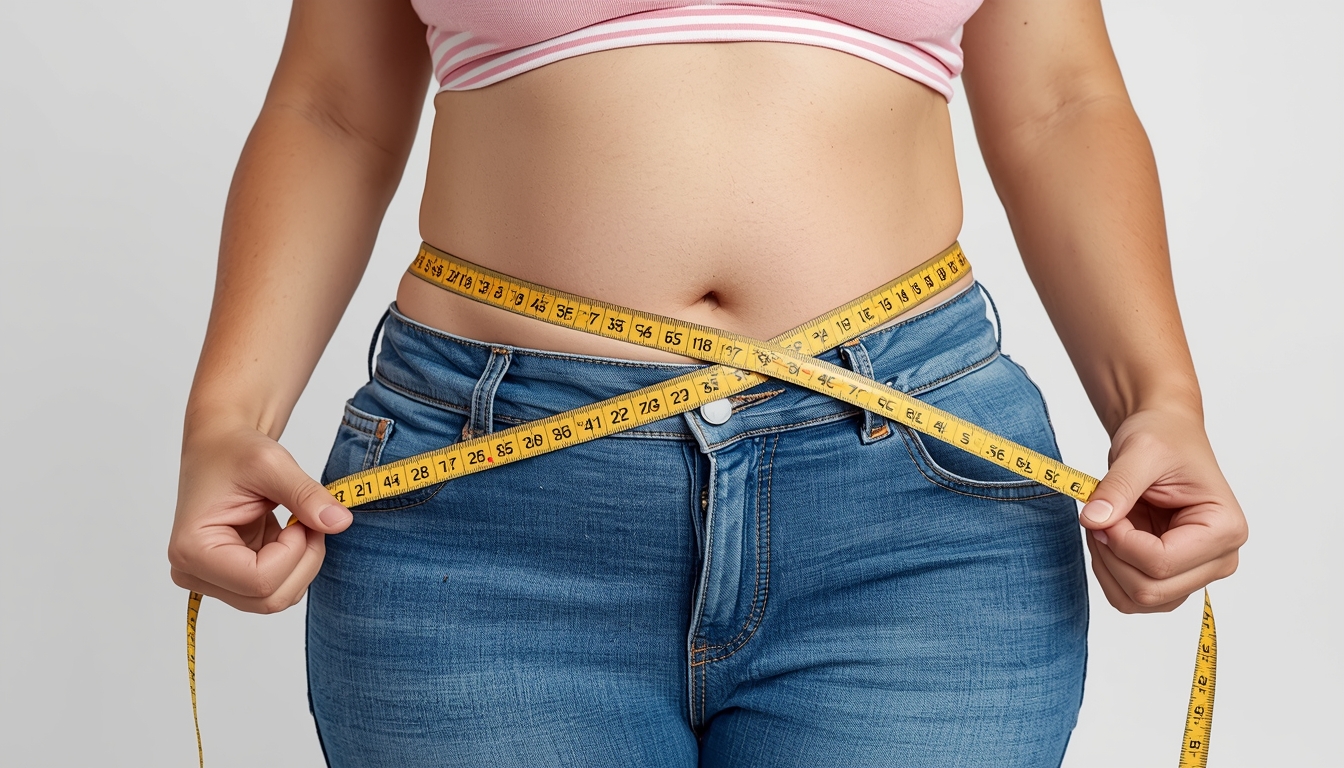
2. Waist Circumference

This measures dangerous belly fat. It's simple and predicts health risks better than BMI.

How to measure: Wrap tape measure around your waist at belly button level. Breathe out normally. Measure.

Healthy targets:

  • Women: Under 35 inches
  • Men: Under 40 inches

Even better: Waist-to-height ratio. Divide your waist by your height. Aim for under 0.5.

3. Waist-to-Hip Ratio

This shows where you carry weight.

How to calculate: Waist ÷ Hip

Healthy targets:

  • Women: Under 0.85
  • Men: Under 0.90

4. Blood Work

Actual health markers your doctor can check:

  • Blood pressure
  • Fasting glucose (blood sugar)
  • Cholesterol (LDL, HDL, triglycerides)
  • Inflammation markers (CRP)

5. How You Feel

Never underestimate this:

  • Energy levels
  • Sleep quality
  • Mood
  • Strength and stamina
  • Recovery from exercise

Real People, Real Examples

Case 1: The Athlete

Mark (my friend from earlier)

  • 6'2", 220 pounds
  • BMI: 28 ("overweight")
  • Body fat: 16% (fit)
  • Waist: 34 inches (healthy)
  • Blood work: Perfect
  • Runs 5Ks, lifts heavy

Verdict: BMI says unhealthy. Reality says he's in great shape.

Case 2: The "Skinny Fat" Person

Sarah

  • 5'4", 130 pounds
  • BMI: 22.3 ("healthy")
  • Body fat: 32% (high end)
  • Waist: 32 inches (borderline)
  • Blood work: Cholesterol elevated
  • Exercises: Rarely
  • Diet: Processed foods, low protein

Verdict: BMI says healthy. Reality says she has metabolic risks despite normal weight.

Case 3: The Older Adult

Robert

  • 5'9", 170 pounds
  • BMI: 25.1 ("overweight")
  • Body fat: 28% (high)
  • Waist: 38 inches (borderline)
  • Blood work: Good for his age
  • Active: Walks daily, golfs
  • Lost muscle with age

Verdict: BMI says overweight. Reality says he's active and healthy for 72, but could benefit from strength training.

Tools to Get the Full Picture

Use these together for a complete health assessment:

Questions People Ask About BMI

Q: "Should I ignore my BMI entirely?" A: No. Use it as one data point among many. If your BMI is high, it's worth checking other markers. If your BMI is normal, don't assume you're automatically healthy.

Q: "Why do doctors still use BMI if it's flawed?" A: It's quick, free, and standardized. For population health, it works. For individuals, it's just a starting point.

Q: "What's the most accurate way to measure health?" A: No single measure. Combine body fat percentage, waist measurement, blood work, and how you feel.

Q: "Can I have a high BMI and still be healthy?" A: Yes, especially if you're muscular. Check your body fat percentage and waist measurement. If those are healthy, your BMI matters less.

Q: "Can I have a normal BMI and still be unhealthy?" A: Yes. This is called "normal weight obesity" or "skinny fat." Check your body fat percentage and blood work.

Q: "What's a better number than BMI?" A: Waist-to-height ratio is simple and predicts health risks well. Body fat percentage gives you more detail.

Q: "How do I lower my BMI if I have a lot of muscle?" A: You don't need to. BMI wasn't designed for you. Focus on body fat percentage instead.

When BMI Might Be Right for You

BMI is more accurate for:

  • People who don't exercise much
  • People with average muscle mass
  • Population screening
  • Tracking trends over time (if your muscle stays the same)

BMI is less accurate for:

  • Athletes and bodybuilders
  • Older adults who've lost muscle
  • People with certain ethnic backgrounds
  • Very tall or very short people

Your Action Plan

Step 1: Get your full picture

Step 2: Interpret your numbers

  • If BMI and body fat agree, that's your answer
  • If they disagree, trust body fat and waist measurement more
  • Use blood work as the gold standard

Step 3: Track what matters

  • How you feel (energy, sleep, mood)
  • How your clothes fit
  • Strength and stamina
  • Blood work trends over time

Step 4: Focus on what you can control

  • Eat protein and vegetables
  • Move your body daily
  • Strength train 2-3 times weekly
  • Sleep 7-8 hours
  • Manage stress

The Bottom Line

BMI isn't useless. But it's also not the final word on your health.

Think of it like this: BMI is the headline. Body fat percentage, waist measurement, blood work, and how you feel are the full story.

My friend Mark with BMI 28? He got a DEXA scan that confirmed his body fat is 16%. His doctor adjusted the chart and stopped worrying about his BMI.

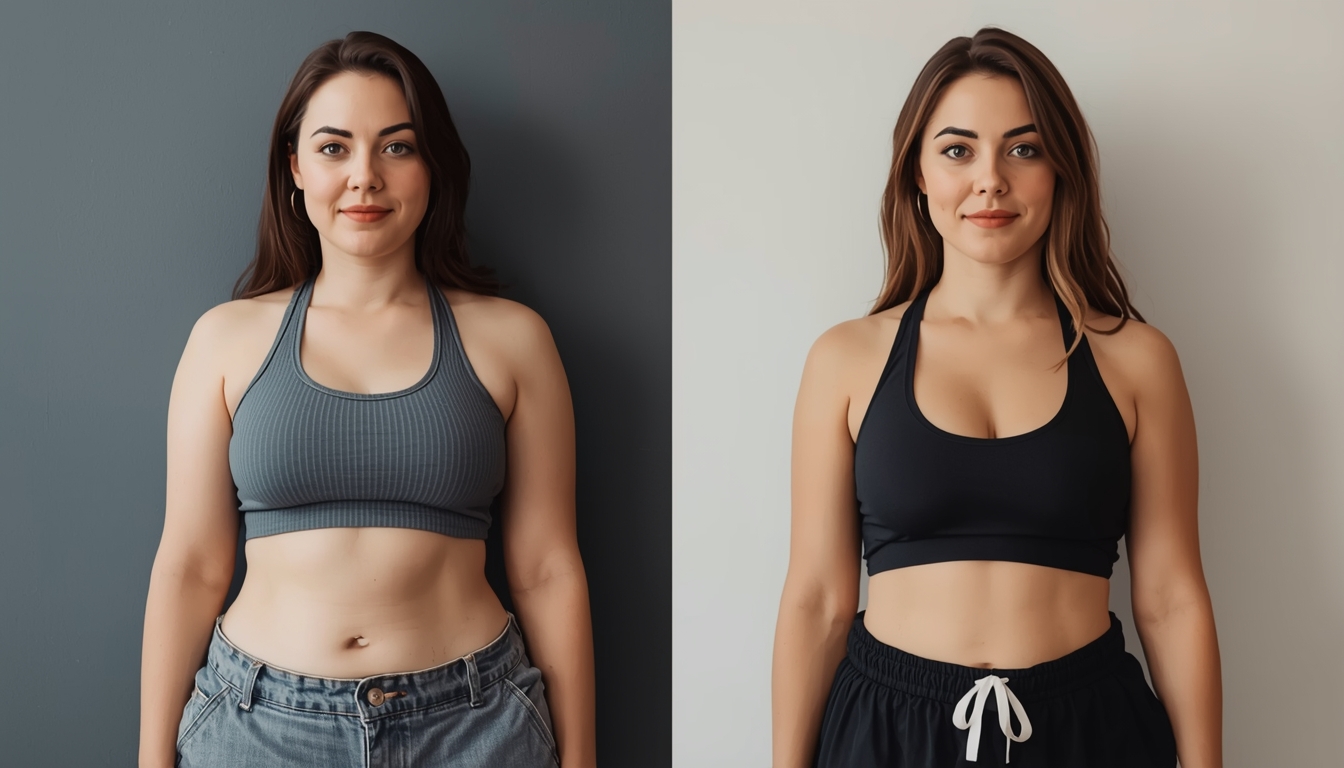
My mom with BMI 24.5? She started strength training to rebuild muscle and improve her body composition. Her weight hasn't changed much, but she's stronger and healthier.

Start today:

  1. BMI Calculator - 30 seconds (just for reference)
  2. Body Fat Calculator - 2 minutes (for the real story)
  3. Measure your waist
  4. Ask yourself: How do I actually feel?

Your health is more than a number. Don't let BMI tell you otherwise.


Note: This information is for general guidance. Talk to your doctor about what numbers matter for your specific situation.

Latest Health Reads

What Is BMI? Simple Guide to Body Mass Index

What Is BMI? Simple Guide to Body Mass Index

Learn what BMI means, how to calculate it, and what your BMI number says about your health.

Read article →
How to Lower BMI: 7 Simple Steps That Actually Work

How to Lower BMI: 7 Simple Steps That Actually Work

Trying to lower your BMI? Here's what works - no crash diets, no gimmicks. Simple steps, real examples, and tools to track your progress.

Read article →
What Is BMR? Simple Guide to Your Metabolism

What Is BMR? Simple Guide to Your Metabolism

Learn what BMR means, why it matters for weight, and how to calculate yours.

Read article →
Ideal Weight for Your Height: Simple Formulas

Ideal Weight for Your Height: Simple Formulas

Find your healthy weight range based on height. Simple formulas and practical tips.

Read article →
BMI vs Body Fat: Which One Actually Matters More?

BMI vs Body Fat: Which One Actually Matters More?

BMI says one thing. Body fat says another. Here's how to know which number to trust for your health.

Read article →
BMI Calculator Limitations: 10 Factors Not Considered

BMI Calculator Limitations: 10 Factors Not Considered

BMI doesn't tell the full story. Learn what factors your BMI calculator ignores and what measurements are more accurate for health assessment.

Read article →
Why Water Intake Is Important: 7 Reasons Your Body Needs It

Why Water Intake Is Important: 7 Reasons Your Body Needs It

Water does more than just quench your thirst. Here's why drinking enough matters for energy, weight loss, skin, and overall health.

Read article →
Superfoods for Heart Health: 10 Foods Cardiologists Actually Eat

Superfoods for Heart Health: 10 Foods Cardiologists Actually Eat

Want a healthier heart? Here are 10 superfoods cardiologists swear by. Simple, delicious, and backed by science - plus tools to track your progress.

Read article →
Weight Loss for Women at Home: 7 Things That Actually Work

Weight Loss for Women at Home: 7 Things That Actually Work

Trying to lose weight at home? Here's what works for real women - no gym required. Simple steps, honest advice, and tools to track your progress.

Read article →
Healthy Weight for Women in Their 30s: What Actually Works

Healthy Weight for Women in Their 30s: What Actually Works

Wondering what a healthy weight looks like for women in their 30s? Here's what changes after 30 and how to find your ideal weight range.

Read article →
Healthy BMI for Women by Age: What's Normal in Your 20s, 30s, 40s, 50s and Beyond

Healthy BMI for Women by Age: What's Normal in Your 20s, 30s, 40s, 50s and Beyond

Wondering what a healthy BMI looks like for women at different ages? Here's exactly how your ideal weight range changes from your 20s through your 70s and beyond.

Read article →
Morning Routine for Weight Loss: 7 Simple Habits That Actually Work

Morning Routine for Weight Loss: 7 Simple Habits That Actually Work

Want to lose weight without crazy diets? Here's exactly what to do in the first hour after waking up to boost metabolism, burn fat, and feel great all day.

Read article →
How to Increase Fertility Naturally: 11 Science-Backed Ways to Boost Your Chances of Getting Pregnant

How to Increase Fertility Naturally: 11 Science-Backed Ways to Boost Your Chances of Getting Pregnant

Wondering how to boost your fertility naturally? From the best foods to eat for ovulation to lifestyle changes that actually work, here's what you need to know.

Read article →
How Much Water Should You Drink During Pregnancy? A Complete Guide for Every Trimester

How Much Water Should You Drink During Pregnancy? A Complete Guide for Every Trimester

Wondering how much water you really need while pregnant? From first trimester nausea to third trimester swelling, here's exactly how to stay hydrated for you and baby.

Read article →
Heart Disease Symptoms, Causes, and the New Treatments Changing Everything (Including AI)

Heart Disease Symptoms, Causes, and the New Treatments Changing Everything (Including AI)

Chest pain? Shortness of breath? Here's what your symptoms mean, plus the latest breakthroughs in heart care—from AI that predicts heart attacks to new meds and high-tech sensors.

Read article →
Heart Attacks in Young People: Why It's Happening and What You Can Do About It

Heart Attacks in Young People: Why It's Happening and What You Can Do About It

Young men and women in their 20s, 30s, and 40s are having heart attacks at alarming rates. Here's why lifestyle, stress, and food choices are to blame—and how to protect yourself.

Read article →
Waist-to-Height Ratio: The Simple Number That Tells You More Than BMI

Waist-to-Height Ratio: The Simple Number That Tells You More Than BMI

Forget complicated health metrics. Your waist-to-height ratio takes two seconds to measure and might predict your health risks better than BMI. Here's how to do it.

Read article →
Healthy Sleep Habits: How to Fall Asleep Faster, Stay Asleep Longer, and Wake Up Refreshed

Healthy Sleep Habits: How to Fall Asleep Faster, Stay Asleep Longer, and Wake Up Refreshed

Struggling to fall asleep or wake up tired? Here's exactly how to fix your sleep schedule, create the perfect bedtime routine, and finally get the rest your body needs.

Read article →
How Much Can You REALLY Lift? Here's How to Find Out Without Crashing

How Much Can You REALLY Lift? Here's How to Find Out Without Crashing

Everyone at the gym wonders how much they could bench if they went all out. But going for a true max is risky. Here's the smarter way to find your real strength.

Read article →
You're Eating WAY More Sugar Than You Think: Here's Where It's Hiding

You're Eating WAY More Sugar Than You Think: Here's Where It's Hiding

That 'healthy' yogurt has more sugar than a donut. Your morning coffee is basically dessert. Here's how to find the hidden sugar in everyday foods and how much is actually okay.

Read article →
Health Calculators That Could Help in an Emergency: What to Know Before You Need It

Health Calculators That Could Help in an Emergency: What to Know Before You Need It

When minutes matter, having the right information about your body can make all the difference. Here's how simple health calculators can help in unexpected situations.

Read article →
First Trimester Survival Guide: What No One Tells You About Weeks 1-12

First Trimester Survival Guide: What No One Tells You About Weeks 1-12

From the exhaustion that hits like a truck to the weird food aversions nobody warned you about. Here's what actually happens in the first trimester and how to survive it.

Read article →
What Is Leucovorin? Why Everyone's Talking About This Drug and Autism

What Is Leucovorin? Why Everyone's Talking About This Drug and Autism

Leucovorin is all over social media right now. Parents are sharing stories, and the FDA just made a major announcement. Here's what you need to know about this medication and its connection to autism.

Read article →
Understanding Autism Spectrum Disorder: Signs, Support, and What Every Parent Should Know

Understanding Autism Spectrum Disorder: Signs, Support, and What Every Parent Should Know

Worried about your child's development? Here's what autism spectrum disorder really means, early signs to watch for, how diagnosis works, and where to find support.

Read article →
How to Reduce Stress: Simple Ways to Calm Your Mind and Protect Your Health

How to Reduce Stress: Simple Ways to Calm Your Mind and Protect Your Health

Feeling overwhelmed, anxious, or just burned out? Here's why stress is so hard on your body, how it affects your heart and brain, and what actually works to calm down in real life.

Read article →
What to Eat After Cancer: A Survivor's Guide to Food, Healing, and Moving Forward

What to Eat After Cancer: A Survivor's Guide to Food, Healing, and Moving Forward

Worried about what to eat after a cancer diagnosis? Here's a practical guide to healthy foods, what to avoid, nourishing drinks, and simple habits that help survivors feel stronger every day.

Read article →
How to Increase Testosterone Naturally: Foods, Workouts, and Lifestyle Changes That Actually Work

How to Increase Testosterone Naturally: Foods, Workouts, and Lifestyle Changes That Actually Work

Low energy? Struggling in the gym? Here's how to boost your testosterone naturally with simple food swaps, effective workouts, and daily habits that make a real difference.

Read article →
Fish Oil Benefits: What It Does for Men, Women, Your Heart, Brain, and Hormones

Fish Oil Benefits: What It Does for Men, Women, Your Heart, Brain, and Hormones

Wondering if fish oil is worth the hype? Here's what omega-3s actually do for your heart, brain, testosterone, cholesterol, and stress levels—plus how to choose the right one.

Read article →
What Is BMI? Simple Guide to Body Mass Index

What Is BMI? Simple Guide to Body Mass Index

Learn what BMI means, how to calculate it, and what your BMI number says about your health.

Read article →
How to Lower BMI: 7 Simple Steps That Actually Work

How to Lower BMI: 7 Simple Steps That Actually Work

Trying to lower your BMI? Here's what works - no crash diets, no gimmicks. Simple steps, real examples, and tools to track your progress.

Read article →
What Is BMR? Simple Guide to Your Metabolism

What Is BMR? Simple Guide to Your Metabolism

Learn what BMR means, why it matters for weight, and how to calculate yours.

Read article →
Ideal Weight for Your Height: Simple Formulas

Ideal Weight for Your Height: Simple Formulas

Find your healthy weight range based on height. Simple formulas and practical tips.

Read article →
BMI vs Body Fat: Which One Actually Matters More?

BMI vs Body Fat: Which One Actually Matters More?

BMI says one thing. Body fat says another. Here's how to know which number to trust for your health.

Read article →
BMI Calculator Limitations: 10 Factors Not Considered

BMI Calculator Limitations: 10 Factors Not Considered

BMI doesn't tell the full story. Learn what factors your BMI calculator ignores and what measurements are more accurate for health assessment.

Read article →
Why Water Intake Is Important: 7 Reasons Your Body Needs It

Why Water Intake Is Important: 7 Reasons Your Body Needs It

Water does more than just quench your thirst. Here's why drinking enough matters for energy, weight loss, skin, and overall health.

Read article →
Superfoods for Heart Health: 10 Foods Cardiologists Actually Eat

Superfoods for Heart Health: 10 Foods Cardiologists Actually Eat

Want a healthier heart? Here are 10 superfoods cardiologists swear by. Simple, delicious, and backed by science - plus tools to track your progress.

Read article →
Weight Loss for Women at Home: 7 Things That Actually Work

Weight Loss for Women at Home: 7 Things That Actually Work

Trying to lose weight at home? Here's what works for real women - no gym required. Simple steps, honest advice, and tools to track your progress.

Read article →
Healthy Weight for Women in Their 30s: What Actually Works

Healthy Weight for Women in Their 30s: What Actually Works

Wondering what a healthy weight looks like for women in their 30s? Here's what changes after 30 and how to find your ideal weight range.

Read article →
Healthy BMI for Women by Age: What's Normal in Your 20s, 30s, 40s, 50s and Beyond

Healthy BMI for Women by Age: What's Normal in Your 20s, 30s, 40s, 50s and Beyond

Wondering what a healthy BMI looks like for women at different ages? Here's exactly how your ideal weight range changes from your 20s through your 70s and beyond.

Read article →
Morning Routine for Weight Loss: 7 Simple Habits That Actually Work

Morning Routine for Weight Loss: 7 Simple Habits That Actually Work

Want to lose weight without crazy diets? Here's exactly what to do in the first hour after waking up to boost metabolism, burn fat, and feel great all day.

Read article →
How to Increase Fertility Naturally: 11 Science-Backed Ways to Boost Your Chances of Getting Pregnant

How to Increase Fertility Naturally: 11 Science-Backed Ways to Boost Your Chances of Getting Pregnant

Wondering how to boost your fertility naturally? From the best foods to eat for ovulation to lifestyle changes that actually work, here's what you need to know.

Read article →
How Much Water Should You Drink During Pregnancy? A Complete Guide for Every Trimester

How Much Water Should You Drink During Pregnancy? A Complete Guide for Every Trimester

Wondering how much water you really need while pregnant? From first trimester nausea to third trimester swelling, here's exactly how to stay hydrated for you and baby.

Read article →
Heart Disease Symptoms, Causes, and the New Treatments Changing Everything (Including AI)

Heart Disease Symptoms, Causes, and the New Treatments Changing Everything (Including AI)

Chest pain? Shortness of breath? Here's what your symptoms mean, plus the latest breakthroughs in heart care—from AI that predicts heart attacks to new meds and high-tech sensors.

Read article →
Heart Attacks in Young People: Why It's Happening and What You Can Do About It

Heart Attacks in Young People: Why It's Happening and What You Can Do About It

Young men and women in their 20s, 30s, and 40s are having heart attacks at alarming rates. Here's why lifestyle, stress, and food choices are to blame—and how to protect yourself.

Read article →
Waist-to-Height Ratio: The Simple Number That Tells You More Than BMI

Waist-to-Height Ratio: The Simple Number That Tells You More Than BMI

Forget complicated health metrics. Your waist-to-height ratio takes two seconds to measure and might predict your health risks better than BMI. Here's how to do it.

Read article →
Healthy Sleep Habits: How to Fall Asleep Faster, Stay Asleep Longer, and Wake Up Refreshed

Healthy Sleep Habits: How to Fall Asleep Faster, Stay Asleep Longer, and Wake Up Refreshed

Struggling to fall asleep or wake up tired? Here's exactly how to fix your sleep schedule, create the perfect bedtime routine, and finally get the rest your body needs.

Read article →
How Much Can You REALLY Lift? Here's How to Find Out Without Crashing

How Much Can You REALLY Lift? Here's How to Find Out Without Crashing

Everyone at the gym wonders how much they could bench if they went all out. But going for a true max is risky. Here's the smarter way to find your real strength.

Read article →
You're Eating WAY More Sugar Than You Think: Here's Where It's Hiding

You're Eating WAY More Sugar Than You Think: Here's Where It's Hiding

That 'healthy' yogurt has more sugar than a donut. Your morning coffee is basically dessert. Here's how to find the hidden sugar in everyday foods and how much is actually okay.

Read article →
Health Calculators That Could Help in an Emergency: What to Know Before You Need It

Health Calculators That Could Help in an Emergency: What to Know Before You Need It

When minutes matter, having the right information about your body can make all the difference. Here's how simple health calculators can help in unexpected situations.

Read article →
First Trimester Survival Guide: What No One Tells You About Weeks 1-12

First Trimester Survival Guide: What No One Tells You About Weeks 1-12

From the exhaustion that hits like a truck to the weird food aversions nobody warned you about. Here's what actually happens in the first trimester and how to survive it.

Read article →
What Is Leucovorin? Why Everyone's Talking About This Drug and Autism

What Is Leucovorin? Why Everyone's Talking About This Drug and Autism

Leucovorin is all over social media right now. Parents are sharing stories, and the FDA just made a major announcement. Here's what you need to know about this medication and its connection to autism.

Read article →
Understanding Autism Spectrum Disorder: Signs, Support, and What Every Parent Should Know

Understanding Autism Spectrum Disorder: Signs, Support, and What Every Parent Should Know

Worried about your child's development? Here's what autism spectrum disorder really means, early signs to watch for, how diagnosis works, and where to find support.

Read article →
How to Reduce Stress: Simple Ways to Calm Your Mind and Protect Your Health

How to Reduce Stress: Simple Ways to Calm Your Mind and Protect Your Health

Feeling overwhelmed, anxious, or just burned out? Here's why stress is so hard on your body, how it affects your heart and brain, and what actually works to calm down in real life.

Read article →
What to Eat After Cancer: A Survivor's Guide to Food, Healing, and Moving Forward

What to Eat After Cancer: A Survivor's Guide to Food, Healing, and Moving Forward

Worried about what to eat after a cancer diagnosis? Here's a practical guide to healthy foods, what to avoid, nourishing drinks, and simple habits that help survivors feel stronger every day.

Read article →
How to Increase Testosterone Naturally: Foods, Workouts, and Lifestyle Changes That Actually Work

How to Increase Testosterone Naturally: Foods, Workouts, and Lifestyle Changes That Actually Work

Low energy? Struggling in the gym? Here's how to boost your testosterone naturally with simple food swaps, effective workouts, and daily habits that make a real difference.

Read article →
Fish Oil Benefits: What It Does for Men, Women, Your Heart, Brain, and Hormones

Fish Oil Benefits: What It Does for Men, Women, Your Heart, Brain, and Hormones

Wondering if fish oil is worth the hype? Here's what omega-3s actually do for your heart, brain, testosterone, cholesterol, and stress levels—plus how to choose the right one.

Read article →

Explore All Health Calculators

From BMI to heart rate, we've got every calculator you need for your health journey.

20+
Free
Trusted