How to Lower BMI: 7 Simple Steps That Actually Work

How to Lower BMI: 7 Simple Steps That Actually Work
My cousin Mark called me last month frustrated. His doctor told him his BMI was 29 - "overweight" on the chart. "I don't even know where to start," he said. "Do I need to go on some crazy diet? Run marathons?"
Sound familiar?
Here's the good news: lowering your BMI doesn't require extreme measures. It requires understanding what BMI actually measures and making small, consistent changes that add up over time.
Let's walk through what actually works.
First: Understand What BMI Really Is
Before you try to lower your BMI, know what you're dealing with.
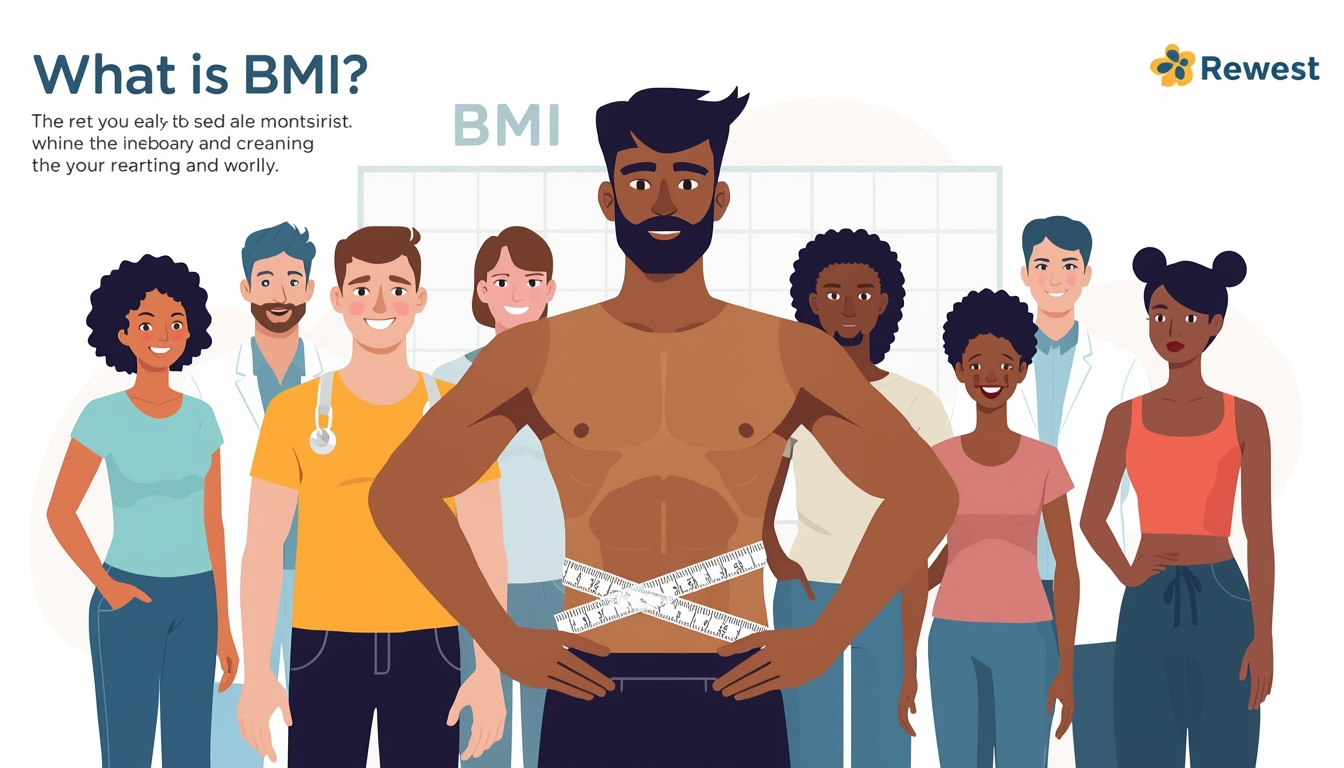
BMI (Body Mass Index) is a simple number calculated from your height and weight. The formula is: BMI = weight (lbs) ÷ height (inches)² × 703
Or if you use metric: BMI = weight (kg) ÷ height (m)²
What the numbers mean:
- Below 18.5: Underweight
- 18.5 - 24.9: Healthy range
- 25.0 - 29.9: Overweight
- 30.0 and above: Obese
Use our BMI Calculator to get your number in 30 seconds.
But here's what your doctor might not tell you: BMI has limits. It doesn't measure muscle vs. fat. My friend Dana is a CrossFit coach with BMI 27 ("overweight") but 19% body fat. BMI says she's unhealthy. She's not.
So use BMI as a starting point, not the final judgment. Use our Body Fat Calculator to get the full picture.
How to Lower BMI: The 7 Steps
Step 1: Create a Small Calorie Deficit (Not Starvation)
To lower BMI, you need to burn more calories than you eat. But "small" is the key word here.
What works:
- Deficit of 300-500 calories per day
- Results in 1-2 pounds lost per week
- Sustainable long-term
What doesn't work:
- Crash diets under 1200 calories
- Skipping meals
- "Detox" teas or cleanses
Real example: Mark was eating about 2,800 calories daily. We used our BMR Calculator to find his maintenance was 2,400 calories. He cut to 2,000 calories - a 400-calorie deficit. In one month, he lost 4 pounds.
Step 2: Protein at Every Meal (Non-Negotiable)
Protein is the most important nutrient for weight loss. Here's why:
- Keeps you full longer
- Preserves muscle while losing fat
- Takes more energy to digest
- Reduces cravings
How much you need: Aim for 20-30g per meal.
Easy protein sources:
Breakfast:
- 3 eggs = 18g protein
- Greek yogurt = 15-20g
- Protein shake = 25g
Lunch:
- Chicken breast (4 oz) = 35g
- Canned tuna = 22g
- Lentil soup = 18g
Dinner:
- Salmon (5 oz) = 30g
- Lean beef (4 oz) = 28g
- Tofu or beans = 15-20g
Snacks:
- Apple with peanut butter
- Hard-boiled eggs
- String cheese
- Greek yogurt
Mark started adding chicken to his lunch and eggs to breakfast. "I stopped being hungry at 3 PM," he said. "That's when I used to raid the vending machine."
Step 3: Walk More (Seriously, It Works)
Walking is the most underrated exercise for lowering BMI. It's free, easy, and sustainable.
Why walking works:
- Burns calories without making you starving
- Easy on joints
- Can do it anywhere
- Hard to injure yourself
- Reduces stress (which helps weight loss)
Mark's walking plan:
- Week 1: 10 minutes after lunch
- Week 2: 15 minutes after lunch
- Week 3: 20 minutes after lunch
- Week 4: Added 10 minutes after dinner
The result: He burned an extra 1,500-2,000 calories per week just from walking. That's almost a pound a month from walking alone.
Try this: Use our TDEE Calculator to see how many extra calories you burn from walking.
Step 4: Strength Train (Build Metabolism-Boosting Muscle)
Muscle burns more calories than fat. Even at rest. So building a little muscle helps lower your BMI long-term.
Simple home routine (no equipment):
Do this 2-3 times per week:
Squats: 3 sets of 15
- Stand feet shoulder-width apart
- Lower like sitting in a chair
- Keep chest up
Push-ups: 3 sets of 10 (on knees if needed)
- Hands shoulder-width apart
- Lower chest toward floor
- Keep body straight
Planks: 3 sets of 30-60 seconds
- Forearms on floor
- Body in straight line
- Don't let hips sag
Lunges: 3 sets of 12 each leg
- Step forward and lower back knee
- Keep front knee behind toes
That's it. 20 minutes, three times a week. Mark added this and dropped from BMI 29 to 27.5 in two months.
Step 5: Drink Water Before Meals
This is a simple trick that actually works. Drink a full glass of water 30 minutes before you eat.
Why it helps:
- Partially fills your stomach
- Helps you recognize true hunger
- Often we're thirsty, not hungry
- Boosts metabolism slightly
Mark's experience: "I started drinking water before meals and realized I'd been eating when I was actually just bored."
How much: Aim for 8-10 glasses daily. Use our Water Intake Calculator for your exact needs.
Step 6: Fix Your Sleep
Sleep is when your body repairs itself. When you don't sleep enough, your hormones go haywire.
What happens with poor sleep:
- More cravings for junk food (ghrelin increases)
- Less willpower (prefrontal cortex slows down)
- Higher stress hormones (cortisol)
- Slower metabolism
What to aim for: 7-9 hours per night.
Mark's sleep fix:
- Bed by 10:30 PM (was midnight)
- No phone in bed
- Dark, cool room
- Consistent wake time
"The first week was hard," he said. "But after that, I started waking up before my alarm with more energy than I'd had in years."
Step 7: Track Progress (The Right Way)
Don't just weigh yourself. Track multiple things so you don't get discouraged.
Weekly track (5 minutes):
- Weight (same day, morning, after bathroom)
- Waist measurement at belly button
- How your clothes fit
Monthly track (10 minutes):
- Progress photo
- Full measurements (hips, thighs, arms)
- Energy level (1-10)
- Use our Body Fat Calculator
Mark's reality check: After 3 weeks, the scale barely moved. But his waist measurement dropped an inch. His pants fit better. The scale was lying - his body was changing.
Sample Day of Eating to Lower BMI
7:30 AM - Breakfast 2 scrambled eggs with spinach 1 slice whole wheat toast ≈ 300 cal, 20g protein
10:30 AM - Snack Apple with 1 tbsp peanut butter ≈ 180 cal, 5g protein
1:00 PM - Lunch Grilled chicken salad with olive oil ≈ 400 cal, 35g protein
4:00 PM - Snack Greek yogurt with berries ≈ 150 cal, 15g protein
7:00 PM - Dinner Baked salmon (5 oz) with roasted broccoli and small sweet potato ≈ 450 cal, 30g protein
Total: ~1,480 calories, 105g protein
Common Mistakes When Trying to Lower BMI
Mistake 1: Cutting Too Many Calories
What happens: Your metabolism slows down. You lose muscle. You get hungry and binge.
Better approach: Deficit of 300-500 calories max. Use our BMR Calculator to find your baseline.
Mistake 2: Only Doing Cardio
What happens: You burn calories during exercise, but your metabolism doesn't change long-term.
Better approach: Add strength training 2-3 times weekly. Muscle burns calories 24/7.
Mistake 3: Ignoring Strength Training (Especially Women)
What happens: You lose muscle along with fat. Your metabolism slows. You regain weight easier.
Better approach: Lift weights or do bodyweight exercises. You won't get bulky - you'll get toned and burn more calories at rest.
Mistake 4: Weighing Yourself Every Day
What happens: You see normal fluctuations (water, hormones, digestion) and get discouraged.
Better approach: Weigh once weekly, same day, same time. Track other things too.
Mistake 5: Giving Up on Weekends
What happens: Monday to Friday progress gets undone Saturday to Sunday.
Better approach: Follow the 80/20 rule. 80% of the time eat well. 20% enjoy yourself. Just don't let one bad meal become a bad weekend.
Quick Reference: How to Lower BMI by Category
If Your BMI is 25-29.9 (Overweight)
Focus on:
- Creating a 300-400 calorie deficit
- Walking 30 minutes daily
- Strength training 2x weekly
- Protein at every meal
Expected progress: 1-2 pounds weekly, 0.5-1 BMI point monthly
If Your BMI is 30-34.9 (Obese Class I)
Focus on:
- Consulting your doctor first
- Creating a 400-500 calorie deficit
- Walking 20-30 minutes daily (start slow)
- Strength training 2x weekly
- Tracking everything
Expected progress: 1-2 pounds weekly, significant health improvements even before major weight loss
If Your BMI is 35+ (Obese Class II/III)
Focus on:
- Medical supervision recommended
- Small, sustainable changes
- Non-weight victories (energy, mobility, blood work)
- Professional guidance for exercise
Expected progress: Even 5-10% weight loss (which is 10-20 pounds at higher weights) dramatically improves health
Tools to Track Your Progress
All free, all helpful:
- BMI Calculator - Get your baseline (30 seconds)
- Body Fat Calculator - See your real composition (2 minutes)
- BMR Calculator - Know your calorie needs (1 minute)
- Ideal Weight Calculator - Healthy range for your height
- TDEE Calculator - Total daily calorie burn
- Water Intake Calculator - Stay hydrated for better metabolism
Your 4-Week Plan to Lower BMI
Week 1: Foundation
- Use BMI Calculator for baseline
- Drink water before meals
- Add 15-minute walks daily
- Don't skip meals
Week 2: Build Habits
- Add protein to every meal
- Try one strength workout
- Notice when you eat from boredom
- Track waist measurement
Week 3: Increase
- Walk 25-30 minutes daily
- Do 2 strength workouts
- Take progress photos
- Adjust portions if needed
Week 4: Make It Yours
- Find what you enjoy
- Create your own routine
- Use Body Fat Calculator to check progress
- Plan for month 2
Realistic Timeline
Be patient. This isn't a race.
- Week 1-2: Water loss, less bloating, better energy
- Week 3-4: Clothes fit differently, waist measurement drops
- Month 2: Noticeable changes, others might comment
- Month 3: 5-10% weight loss achievable, significant health improvements
- Month 6: New normal established, BMI down 3-5 points possible
Questions People Ask About Lowering BMI
Q: "How fast can I lower my BMI?" A: Healthy rate is 1-2 BMI points per month at most. Faster usually means losing muscle or water, not fat.
Q: "Do I need to give up carbs?" A: No. Your body needs carbs for energy. Just choose whole food carbs (rice, potatoes, oats) over processed stuff.
Q: "What if I have a bad day?" A: Get back on track tomorrow. One bad day won't ruin you. One good week will move you forward.
Q: "Can I lower my BMI without exercise?" A: Yes, diet matters more. But exercise makes it easier and healthier. Plus you'll look and feel better.
Q: "Why is my BMI high even though I exercise?" A: You might have more muscle. Muscle weighs more than fat. Check your Body Fat Percentage for the real story.
Q: "How do I stay motivated?" A: Focus on how you feel, not just the number. More energy? Better sleep? Clothes fitting better? That's progress.
When to Talk to Your Doctor
Check with your doctor if:
- Your BMI is above 30
- You have health conditions (diabetes, high blood pressure, heart disease)
- You're considering very low-calorie diets
- You've hit a plateau despite trying everything
- You have concerns about medications affecting weight
The Bottom Line
Lowering your BMI isn't complicated. It's about:
- Eating regular meals with protein and veggies
- Moving your body daily (walking counts!)
- Building a little muscle
- Drinking water
- Sleeping enough
- Being consistent, not perfect
- Using tools to track what's working
Mark followed this plan. Three months later, his BMI dropped from 29 to 26. He didn't go on a crazy diet. He didn't run marathons. He just made small, consistent changes and let time do the work.
Start today:
- BMI Calculator - 30 seconds
- Walk for 15 minutes
- Add protein to your next meal
- Drink water before eating
Your BMI isn't your identity. It's just information. Use it to make better choices, one day at a time.
Note: Results vary by person. This information is for general guidance. Check with your doctor before starting any new diet or exercise program, especially if you have health conditions.