BMI vs Body Fat: Which One Actually Matters More?
BMI vs Body Fat: Which One Actually Matters More?
My friend Sarah called me frustrated last week. "I just got back from the doctor," she said. "My BMI is 27, so they marked me as 'overweight.' But I just did one of those body composition scales at the gym, and it says my body fat is 23% - which is actually healthy. Which number do I believe?"
Great question.
If you've ever gotten conflicting information from different health metrics, you're not alone. BMI and body fat percentage often tell different stories. Let's break down what each one means, which one matters more, and how to use both.
First: What Are We Comparing?
BMI (Body Mass Index)
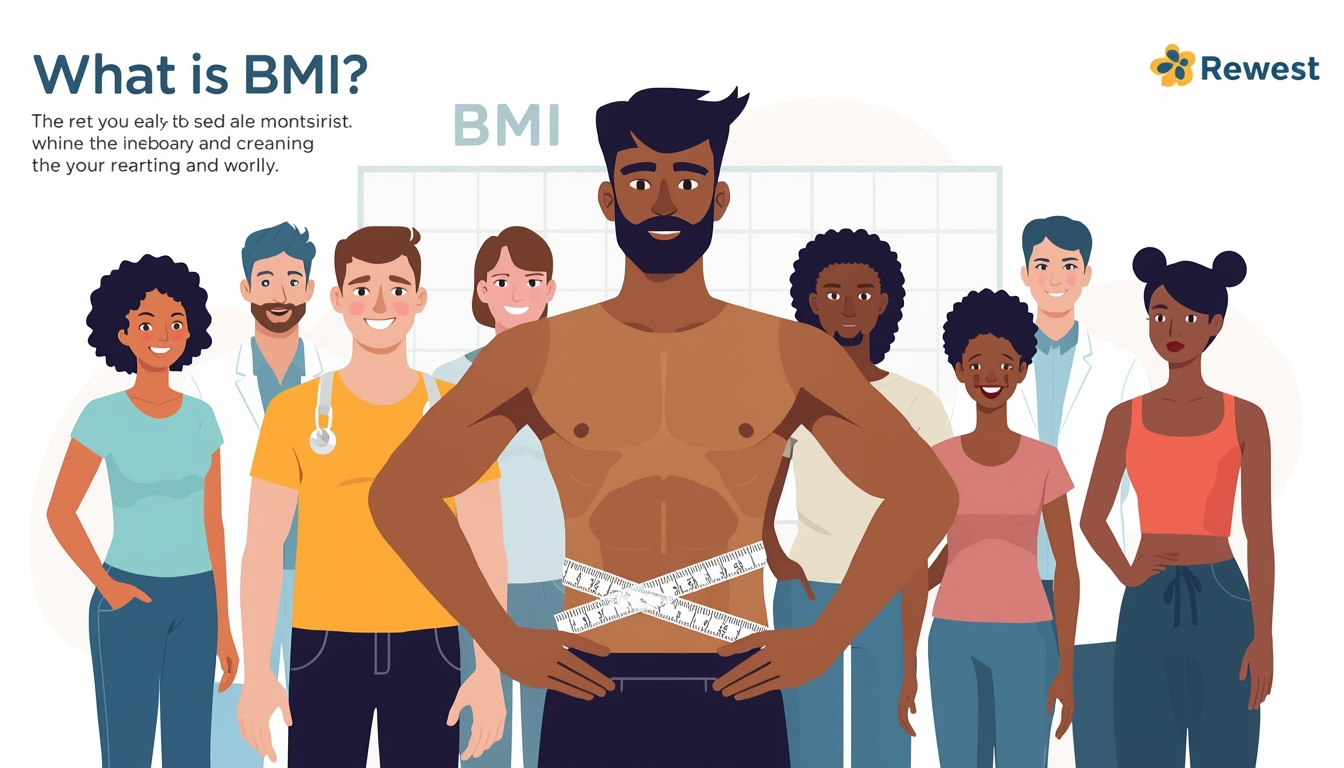
BMI is a simple calculation using just your height and weight:
BMI = weight (lbs) ÷ height (inches)² × 703
The categories:
- Below 18.5: Underweight
- 18.5 - 24.9: Healthy weight
- 25.0 - 29.9: Overweight
- 30.0 and above: Obese
Use our BMI Calculator to get your number in 30 seconds.
Body Fat Percentage
Body fat percentage tells you how much of your total weight is fat versus everything else (muscle, bone, water, organs).
Healthy ranges: For women:
- Athlete: 14-20%
- Fit: 21-24%
- Acceptable: 25-31%
- Needs work: 32%+
For men:
- Athlete: 6-13%
- Fit: 14-17%
- Acceptable: 18-24%
- Needs work: 25%+
Use our Body Fat Calculator to find your number.
The Short Answer
If you want the quick takeaway: Body fat percentage is usually more accurate for individuals. BMI is better for population studies.
But let's dig into why.
Why BMI and Body Fat Disagree (Real Examples)
Case 1: The Athlete
Mike (my CrossFit friend)
- 5'10", 195 pounds
- BMI: 28 ("overweight")
- Body fat: 12% ("athlete")
- Works out 5x weekly, visible abs
What BMI says: Overweight, health risk What body fat says: Very fit, low risk Who's right? Body fat. Mike is in excellent shape.
Case 2: The "Skinny Fat" Person
Jennifer
- 5'5", 135 pounds
- BMI: 22.5 ("healthy")
- Body fat: 33% ("needs work")
- Sedentary job, minimal exercise, eats processed foods
What BMI says: Healthy weight, low risk What body fat says: Too much fat for her weight, health risks Who's right? Body fat. Jennifer has metabolic risks despite normal weight.
Case 3: The Average Person
David
- 5'9", 170 pounds
- BMI: 25.1 ("overweight")
- Body fat: 22% ("acceptable")
- Walks occasionally, eats reasonably well
What BMI says: Slightly overweight What body fat says: Acceptable range Who's right? Both give useful information. BMI flags him to pay attention. Body fat shows he's not in the danger zone yet.
What BMI Gets Right
I'm not here to trash BMI. It has its place.
BMI is good for:
- Quick screening - Takes 30 seconds, needs no equipment
- Population studies - Tracking obesity rates across large groups
- Research - Standardized measure used in thousands of studies
- Insurance and medical guidelines - Standardized cutoff points
- Your starting point - It's not nothing
Think of BMI like this: It's the check engine light. It tells you something might be worth looking at. It doesn't tell you exactly what's wrong.
What Body Fat Gets Right
Body fat percentage gives you more detailed information.
Body fat is better for:
- Understanding your composition - Muscle vs. fat matters
- Tracking fitness progress - You can lose fat and gain muscle while the scale stays same
- Assessing true health risk - Fat around organs is dangerous, muscle is protective
- Athletes and active people - BMI penalizes muscle
- Older adults - Age-related muscle loss changes the game
Think of body fat like this: It's the diagnostic tool. It tells you what's actually going on under the hood.
The Numbers: When They Disagree
Research shows this happens more often than you'd think:
- 30% of people with "normal" BMI have excess body fat (normal weight obesity)
- 50% of people with "overweight" BMI have healthy body composition
- 20% of people with "obese" BMI are metabolically healthy
That's a lot of people getting the wrong message if they only look at BMI.
Why Body Fat Usually Wins for Individuals
Here's what body fat tells you that BMI can't:
1. Muscle vs. Fat
Muscle is about 18% denser than fat. That means:
- Two people can weigh the same but look completely different
- The muscular person will have higher BMI but lower health risk
- The scale lies about your progress if you're gaining muscle
2. Where Fat Is Stored
This is crucial. Visceral fat (around your organs) is dangerous. Subcutaneous fat (under skin) is less harmful.
- BMI can't tell the difference
- Body fat percentage combined with waist measurement can
- Two people with same body fat % can have different risks based on where it's stored
3. Changes Over Time
As we age:
- We naturally lose muscle
- We may gain or redistribute fat
- BMI might stay the same while body composition worsens
- Or BMI might increase while body fat stays same (muscle gain)
When BMI Might Be More Useful
There are times when BMI is perfectly fine:
For population health: Public health officials tracking obesity rates need standardized data. BMI works for this.
For people with average muscle mass: If you don't exercise much, BMI and body fat often align pretty well.
For quick screening: In a busy doctor's office, BMI flags people who need deeper assessment.
For large research studies: You can't do DEXA scans on 10,000 people. BMI is practical.
Better Than Both: The Combined Approach
Here's what actually gives you the full picture:
1. BMI + Body Fat + Waist Measurement
Use all three together:
- BMI - Quick reference point
- Body fat % - Actual composition
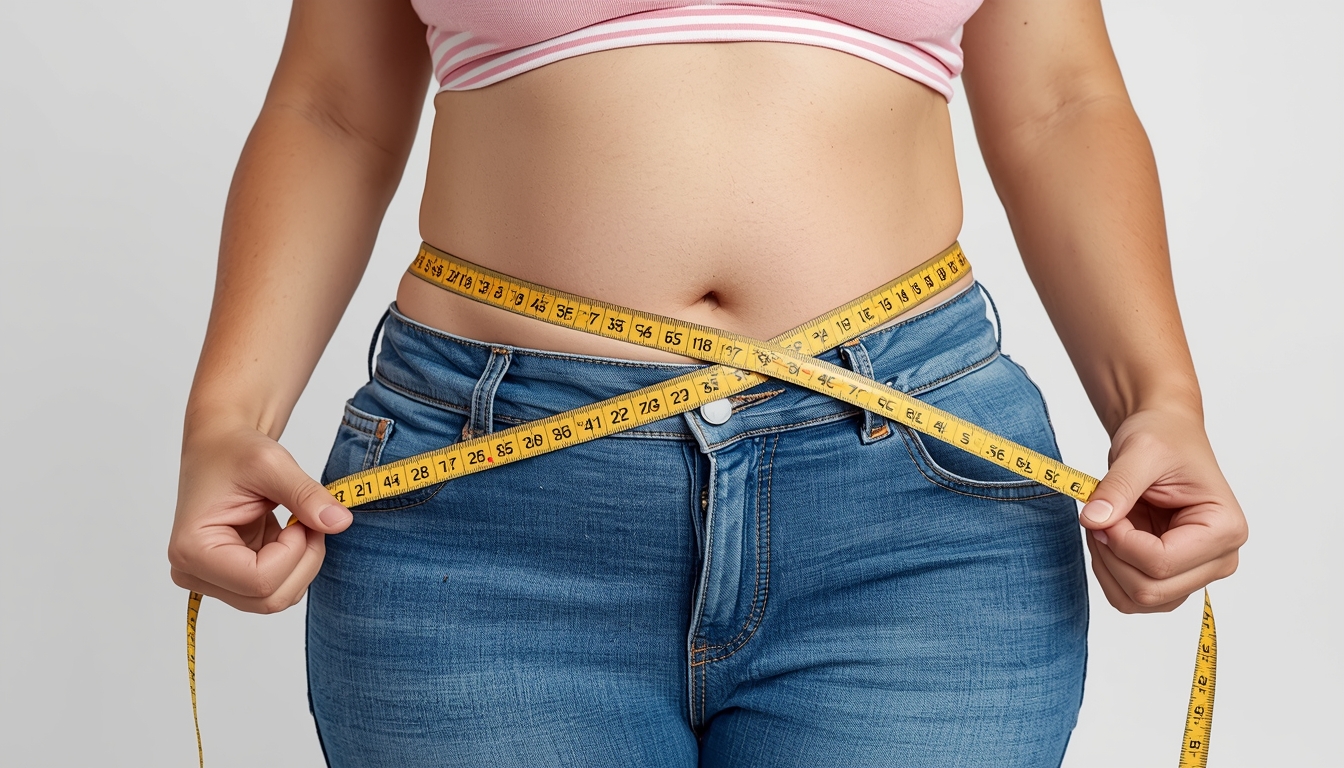
- Waist circumference - Dangerous belly fat indicator
2. Waist-to-Height Ratio
This simple calculation predicts health risks better than BMI alone.
How to do it: Waist ÷ Height
Target: Under 0.5
Example: If you're 5'6" (66 inches) with 32-inch waist 32 ÷ 66 = 0.48 (healthy)
3. Blood Work
Actual health markers:
- Blood pressure
- Fasting glucose
- Cholesterol (LDL, HDL, triglycerides)
- Inflammation markers
4. How You Feel
Never ignore:
- Energy levels
- Sleep quality
- Strength and stamina
- Recovery from activity
- Mood
Real People, Real Numbers
The Bodybuilder
Marcus
- 5'11", 210 pounds
- BMI: 29.3 ("overweight")
- Body fat: 11% ("athlete")
- Waist: 32 inches
- Blood work: Excellent
What matters: Body fat and waist. BMI is irrelevant here.
The Sedentary Office Worker
Lisa
- 5'6", 145 pounds
- BMI: 23.4 ("healthy")
- Body fat: 34% ("needs work")
- Waist: 33 inches
- Blood work: Cholesterol elevated
What matters: Body fat and waist tell the real story. BMI gives false reassurance.
The Active Older Adult
Robert (72)
- 5'8", 165 pounds
- BMI: 25.1 ("overweight")
- Body fat: 28% (high for his age)
- Waist: 37 inches
- Walks daily, some strength work
What matters: Waist and maintaining muscle. BMI less relevant.
How to Measure Body Fat at Home
You don't need expensive equipment to track body fat:
1. Navy Method (Most Accurate at Home)
Use our Body Fat Calculator . You just need:
- Height
- Neck circumference
- Waist circumference
- Hip circumference (for women)
Takes 2 minutes. Free. Surprisingly accurate for tracking trends.
2. Bioelectrical Impedance Scales
Those scales you step on that send a tiny current through your body:
- Convenient but less accurate
- Good for tracking trends if used consistently
- Same time, same conditions (morning, after bathroom, before eating)
3. Skinfold Calipers
Pinch test at various body sites:
- Inexpensive ($10-20)
- Takes practice to do accurately
- Good for tracking changes
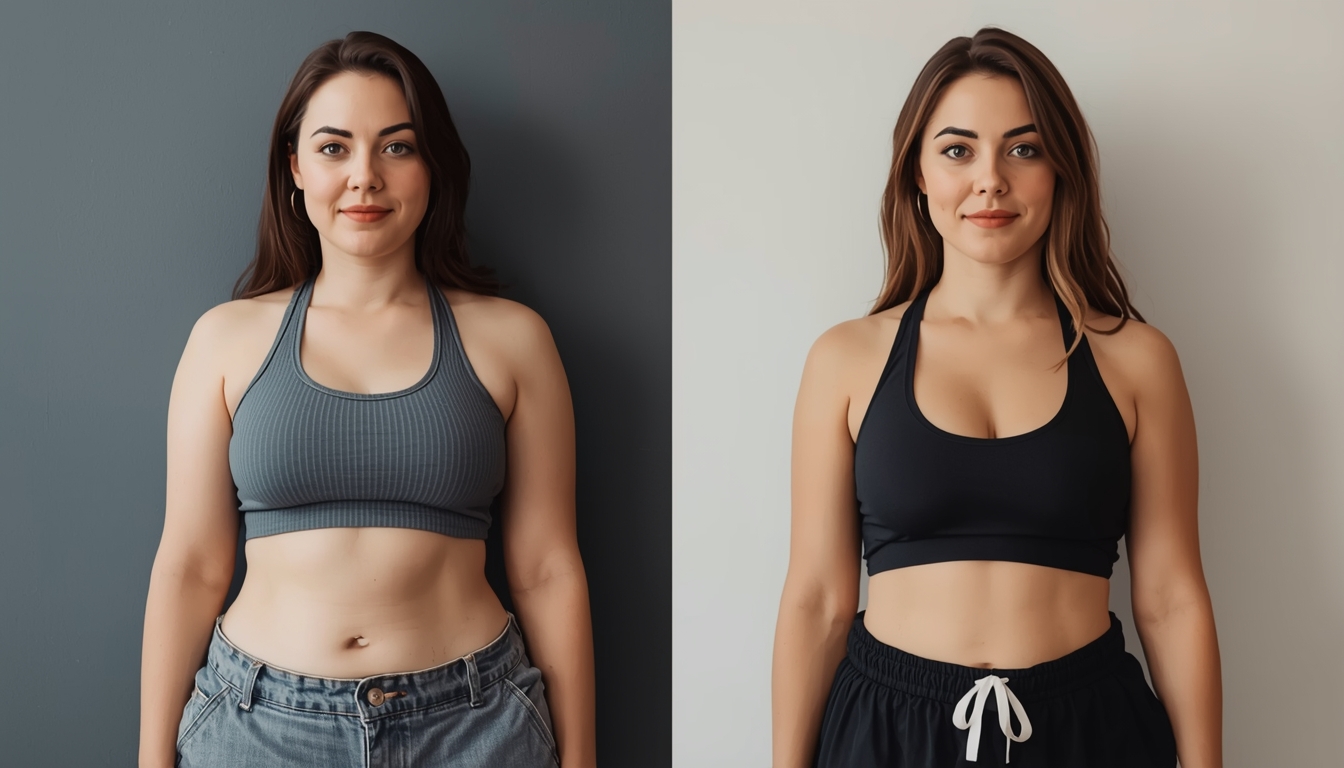
4. Progress Photos
Sometimes the best tool:
- Same lighting, same pose, same clothing
- Monthly photos show changes numbers miss
- Free and always available
Tools to Track Everything
Use our suite for the complete picture:
- BMI Calculator - Quick baseline (30 seconds)
- Body Fat Calculator - Real composition (2 minutes)
- BMR Calculator - Understand your calorie needs
- Ideal Weight Calculator - Healthy ranges
- Heart Rate Calculator - Cardiovascular health
- Blood Pressure Calculator - Track heart health
- VO2 Max Calculator - Fitness level
- Advanced BMI Calculator - More detailed assessment
- Water Intake Calculator - Stay hydrated
Questions People Ask
Q: "Which number should I focus on?" A: Body fat percentage and waist measurement give you the most useful information for health. BMI is a starting point.
Q: "Can I have a healthy BMI but too much body fat?" A: Yes. This is called "normal weight obesity" or "skinny fat." About 30% of normal-weight people have unhealthy body fat levels.
Q: "Can I have a high BMI but healthy body fat?" A: Yes, especially if you're muscular. Athletes often fall into this category.
Q: "How do I lower my body fat percentage?" A: Combine strength training (builds muscle) with a slight calorie deficit (loses fat). Protein at every meal helps preserve muscle while losing fat.
Q: "What's the most accurate way to measure body fat?" A: DEXA scans are gold standard but expensive. For home use, the Navy method (our calculator) is reliable for tracking trends.
Q: "Does BMI matter at all then?" A: It matters as a screening tool. If your BMI is high, it's worth checking other markers. If it's normal, don't assume you're automatically healthy.
Q: "What's a realistic goal for body fat?" A: For most women, 22-28% is healthy and achievable. For most men, 15-22% is healthy and achievable. Athletes can go lower.
Your Action Plan
Step 1: Get your numbers
- BMI Calculator - Baseline
- Body Fat Calculator - Real picture
- Measure your waist
Step 2: Interpret them
| If BMI says | But Body Fat says | Trust |
|---|---|---|
| Overweight | Healthy | Body fat (you're likely muscular) |
| Healthy | High | Body fat (you're "skinny fat") |
| Both agree | Both agree | Either (they tell same story) |
Step 3: Set your target
- If body fat is high: Focus on fat loss with strength training
- If body fat is healthy: Maintain with good habits
- If you're muscular with high BMI: Ignore BMI entirely
Step 4: Track what matters
- Body fat trend over time
- Waist measurement
- How clothes fit
- Energy and strength
- Blood work annually
Sample Goals Based on Your Numbers
If body fat is high (32%+ women, 25%+ men):
- Primary goal: Lower body fat
- Approach: 300-500 calorie deficit, protein at every meal, strength training 2-3x weekly, daily walking
- Track: Body fat monthly, waist weekly
If body fat is acceptable (25-31% women, 18-24% men):
- Primary goal: Maintain or improve slightly
- Approach: Balanced diet, regular exercise, focus on strength
- Track: Body fat quarterly, focus on performance
If body fat is fit or athlete range:
- Primary goal: Maintain, performance focus
- Approach: Eat to support activity, prioritize recovery
- Track: Performance metrics, how you feel
The Bottom Line
The BMI vs body fat debate misses the point. They're not competing - they're different tools for different jobs.
- BMI is a quick screen. It's useful for populations, limited for individuals.
- Body fat is more detailed. It tells you what you're actually made of.
- Waist measurement catches dangerous belly fat.
- Blood work shows actual health markers.
- How you feel matters most of all.
My friend Sarah with BMI 27 and body fat 23%? She's fine. Her body fat is healthy, her waist is normal, she exercises regularly. The BMI number doesn't define her health.
Start today:
- BMI Calculator - 30 seconds (just for reference)
- Body Fat Calculator - 2 minutes (for the real story)
- Measure your waist
- Ask: How do I actually feel?
Your health is more than one number. Use the right tools for the full picture.
Note: This information is for general guidance. Talk to your doctor about what numbers matter for your specific situation.